Author: Admin

  • The Global Stages Where Champions Are Made

    The Ultimate Guide to Horse Racing: Thrills, Legends, and Winning Secrets
    Horse racing

    Horse racing, often called the “Sport of Kings,” traces its organized roots back to 12th-century English knights returning from the Crusades with swift Arabian stallions. At its core, the sport pits thoroughbreds against each other over measured distances, where victory hinges on the delicate synergy of jockey timing, equine stride, and track conditions. Reading a horse’s pace and position during a race is the key skill for any spectator, transforming raw speed into a strategic chess match that rewards both the trained eye and the casual fan.

    The Global Stages Where Champions Are Made

    The global proving grounds of horse racing are a circuit of iconic tracks, each demanding a unique blend of speed and stamina. From the hallowed turf of Royal Ascot in England to the dirt showdowns of the Kentucky Derby, these venues do more than host races—they forge legacies. The grueling rise of the Prix de l’Arc de Triomphe in Paris tests a horse’s raw grit under European conditions, while the Melbourne Cup’s punishing 3200 meters in Australia crowns the ultimate stayer. These championship racecourses are where training theories are validated under intense pressure. For any owner or fan, following the trail from these starting gates to the winner’s circle reveals the true mettle of a contender, making each international stop a decisive chapter in the making of a legend.

    Breaking Down the Premier League of Flat Racing Circuits

    The Premier League of flat racing circuits hinges on three distinct surfaces, each demanding a unique tactical reset. On turf, the going—from firm to soft—shifts the speed map dramatically, favoring front-runners on fast ground and closers on testing conditions. All-weather tracks, by contrast, offer relentless uniformity, stripping away excuses and rewarding raw pace and tactical discipline. Dirt circuits, primarily in North America, add a brutal kick-back factor, where horses must handle flying dirt and a deep, tiring base. Reading the surface bias before the race often matters more than the horse’s past form. To master any circuit, follow this sequence:

    1. Check the official going description.
    2. Note which running styles won recent races on that surface.
    3. Adjust your pace projection for the rail position.

    Each circuit type is a different chessboard—your angle must shift with every stride.

    Jump Racing vs. Flat Racing: Two Disciplines, One Passion

    Jump racing and flat racing demand distinct athletic profiles, yet both forge champions through specialized conditioning. Flat racing prioritizes raw speed over sprint distances, often concluding within two minutes, while jump racing tests stamina, agility, and courage across fences and extended trips up to four miles. A flat champion relies on explosive acceleration from the gate; a jumping star masters rhythm, balance, and safe clearance at speed. Despite these contrasts, both disciplines share a foundational passion for equine partnership and tactical timing—the jockey’s judgment at the final furlong mirrors the steer into the last obstacle. **Choose your discipline based on your preferred test of equine excellence**: pure velocity or enduring grit over obstacles. Question: Which discipline better reveals a horse’s true character? Flat racing exposes immediate speed and nerve, while jump racing uncovers resilience and heart across prolonged, punishing races—each revealing different breeds of greatness.

    How Surface Type (Dirt, Turf, All-Weather) Dictates Strategy

    The racing surface is a silent strategist, rewriting a horse’s form guide before the gates even open. On dirt, speed is a weapon; front-runners thrive on the deep, consistent cushion, while closers need a hot pace to collapse late. Turf demands tactical agility, favoring agile stalkers who can navigate the track’s undulations and hold their position as the grass quickens. All-weather, by contrast, is brutally fair, exposing horses who lack genuine stamina, as the synthetic surface punishes early burnouts and rewards steady, rhythmical gallopers. The same horse is often a different animal on each stage, forcing bettors to re-evaluate pace profiles, trip dynamics, and running style with every surface change.

    • On dirt, check the track bias; a speed-favoring strip makes early position everything.
    • On turf, watch for soft ground, which can turn a sprinter into a stayer’s rival.
    • On all-weather, look for proven synthetic form; it is the ultimate equalizer for fitness, not class.

    Decoding the Form Book Like a Seasoned Punter

    Decoding the form book like a seasoned punter means moving beyond raw finishing positions to scrutinize the race class and pace maps within each line. Focus on sectional times, not just the final time, to identify horses that closed strongly against a fast early gallop. Check the going description on the day of each run; a horse’s past struggles on soft ground outweighs a recent victory on firm. Also, weight carried relative to the winner—a beaten favorite under a big impost may have run better than a narrow winner under featherweight conditions. Look for trip handicapping, where a horse’s career-best speed figure came over today’s distance, not a shorter sprint. Always cross-reference the jockey’s recent strike rate on the specific course type, as a rider’s familiarity with a track’s quirks often converts a third-place form line into a winning performance.

    Reading Past Performances Without Getting Lost in Numbers

    Horse racing

    When you open a form book, don’t try to digest every digit at once—that’s how you drown. Start by circling only three things: the horse’s finishing position, the race class, and the distance. Ignore margins unless they’re huge; a close fourth over a longer trip matters more than a sharp win in a weaker field. Next, check the going—a horse that loves soft ground will look poor on firm, so compare apples to apples. Finally, scan for pace clues: did it lead, sit, or close late? That tells you its running style for today. Prioritize recent form over raw figures—the last two starts outweigh five stale lines. Follow this simple order to stay sharp:

    1. Highlight position and length behind the winner.
    2. Verify class and distance match today’s race.
    3. Note the ground condition and jockey change.
    4. Look for a clear excuse (traffic, slow start) before discarding a line.

    Class Ratings, Speed Figures, and the Hidden Value of Course Specialists

    Class ratings tell you if a horse is stepping up or dropping down, but speed figures reveal *how* fast it ran against that class—not just who it beat. A horse with a middling class rating but a top speed figure is often overlooked, especially if its last race was on a heavy track that killed the time. That’s where the hidden value of course specialists shines: a runner with a 4-2-1 record at this specific track, despite modest overall figures, is usually underpriced because the market leans on raw numbers. Pair a course specialist’s local edge with a speed figure that fits today’s distance, and you’ve got a bet the form book doesn’t scream about.

    Class rating sets the level, speed figures measure the engine, but course specialists turn overlooked stats into live prices—always check their local record before dismissing a figure.

    Horse racing

    Weight, Draw, and Going: The Invisible Handicaps That Shift Odds

    When you’re decoding the form book, never sleep on the quiet game-changers. Weight, draw, and going are the invisible handicaps that shift odds faster than most punters realize. A heavy impost can grind down a speedy front-runner, especially on soft ground where every kilo feels like a sack of bricks. The draw matters too—a wide berth over a tight five furlongs often spells trouble, while a low number hugging the rail saves crucial yards. And going? Check the forecast: a horse that loves quick turf becomes a different animal when the mud flies. Spot these three, and the market’s price suddenly looks generous—or dangerously short.

    The Quiet Architecture Behind Race Day

    The quiet architecture behind race day is a choreography of unseen logistics, not just the roar of the grandstand. Before the gates open, the loading crew’s rhythm—a practiced sequence of calm hands and padded stalls—determines a fractious colt’s ability to focus. The walking ring’s layout directs your final visual check, but the true handicapping edge lies in the paddock’s shadow lines, where a horse’s posture under the trees tells you if the warm-up was efficient. Even the gap between the starting gate and the rail is a deliberate measurement, influencing a front-runner’s early angle. Mastering this quiet race day logistics means reading the pre-race flow—not the tote board—to gauge a runner’s mental readiness. For astute observers, the pre-race paddock rhythm is the most reliable predictor of a clean break, revealing composure before speed ever matters.

    From Morning Gallops to the Starting Gate: A Day in the Life

    The day’s outcome is forged long before the crowd roars, and *From Morning Gallops to the Starting Gate: A Day in the Life* reveals that rigorous, quiet rhythm. A trainer’s clock starts at dawn, assessing a horse’s gait during a slow gallop to gauge energy, not speed. Next comes leg wraps, hoof checks, and a precisely timed feed, balancing hydration with pre-race nutrition. As post time nears, the paddock routine—tightening the girth, walking in controlled circles—settles the animal’s nerves. By the time horses reach the gate, every decision has been rehearsed, leaving nothing to chance.

    • Monitor early-morning respiration and sweat to adjust warm-up intensity.
    • Time the final water intake to avoid a heavy stomach at the start.
    • Use a consistent walking pattern to reduce pre-race anxiety.

    The Role of the Trainer’s Eye vs. The Jockey’s Instinct

    The trainer’s eye decodes the horse’s daily subtle shifts—a dull coat, a hesitant stride, or a flicker of soreness—building a long-term fitness map that no stopwatch reveals. The jockey’s instinct, however, operates in milliseconds: feeling when the horse is saving energy versus flattening out, sensing the exact gap to exploit mid-pack. Neither works alone; the trainer supplies the blueprint, the jockey executes its live adjustments over a grueling mile. This **quiet race-day partnership** becomes decisive when fatigue blurs judgment, and only the jockey’s gut can translate the trainer’s careful preparation into a winning move at the rail.

    • Trainers spot chronic stiffness that jockeys mistake for laziness during warm-up.
    • Jockeys feel a horse’s breathing rhythm shift, overriding the trainer’s planned pace.
    • Trainers adjust shoeing and gallops; jockeys adapt to track bias in real time.
    • Post-race, both compare notes to refine the next start’s strategy.

    Why Track Maintenance and Weather Forecasts Upend Favorites

    A favorite’s edge evaporates when the surface shifts beneath them. Track maintenance, from harrowing to watering, alters cushion depth and kickback, punishing front-runners who thrived on a fast, dry strip. Simultaneously, weather forecasts trigger a chain reaction: rain compresses the dirt, favoring closers with late foot, while a drying tailwind creates a speed-favoring bias. The morning line is a snapshot, not a prophecy. Live track conditions are the true handicapping variable because they rewrite pace scenarios and turn proven class into a liability on an unfamiliar surface. Ignore the maintenance schedule and radar at your peril.

    • Deep, harrowed ground neutralizes blistering early speed, turning a pacesetter into a sitting duck.
    • Rainfall changes the mud-splatter profile, often eliminating turf-loving closers who cannot handle kickback.
    • A sudden wind shift can dry a sealed track unevenly, creating a rail bias that voids previous form.

    Horse racing

    Betting Markets: Where Data Meets Intuition

    In horse racing, betting markets operate as a live collision between quantitative form analysis and the visceral read of a paddock walk. The odds board synthesizes speed figures, pace projections, and track biases, yet a seasoned punter often spots a horse’s nervous energy or glossy coat that no dataset captures. Successful market navigation hinges on knowing when to trust the compressed numbers—like a consistent late-closing fraction—versus a palpable shift in the horse’s demeanor that the morning line missed. Timing your wager matters: early prices reflect sharp money, while late moves signal insider confidence. Yet the truest edge emerges when you can identify why the crowd mispriced a runner—whether from overvaluing a flashy win or ignoring a trainer’s subtle equipment change. Merging the objective probability from market liquidity with your subjective visual assessment creates a layered decision, not a binary one. The market is never purely rational, and your intuition is only valuable when it’s calibrated against the collective’s error.

    Understanding Parimutuel Pools and Fixed Odds Without the Jargon

    In horse racing, your bet’s value shifts depending on the system. Parimutuel pools mean all wagers on a race are combined, and odds fluctuate until post time, reflecting where the crowd’s money lands—your payout grows or shrinks with late bets. Fixed odds, by contrast, lock in a price the moment you confirm, shielding you from market swings. For beginners, the jargon boils down to this: pools are dynamic and shared, while fixed odds are personal and stable. Check the tote board for live pool signals, compare fixed prices from bookmakers, then decide if you prefer riding collective momentum or securing a guaranteed return.

    • Parimutuel payouts depend on final pool size, so timing matters.
    • Fixed odds freeze your return instantly, eliminating post-race surprises.
    • Pool odds often drop on favorites, while fixed odds may offer early value.

    Value Hunting: Spotting Mispriced Runners Before the Crowd Moves

    Value hunting requires comparing your own speed figures and pace projections against the opening market odds, not the final price. Look for mispriced runners where the public overweights recent form or a flashy jockey, but your sectional times reveal a hidden distance bias or a favorable track condition. The window closes within minutes, so pre-race you must flag two or three contenders whose true probability exceeds the implied odds. Watch the tote board for late steam—if money moves late, your edge is gone. Act before the crowd adjusts.

    Spot the discrepancy between your rated chance and the early odds, strike fast, and let the crowd chase your price.

    The Psychology of Late Money and Why It Often Knows More

    Late money in horse racing isn’t random noise—it’s the market’s final, most informed whisper. When odds shift dramatically in the final minutes, it usually signals that someone with inside knowledge—a trainer’s last-minute confidence, a jockey’s gut feel, or a stable’s betting syndicate—has just placed their wager. The psychology behind it is simple: late money reflects hidden conviction, not public hype. Early odds are shaped by casual punters and data crunching, but late moves are driven by those who’ve waited to act, often because they’ve seen something the crowd hasn’t. Fading the early favorite or following a sharp drift isn’t guesswork—it’s reading the emotional shift from “hopeful” to “certain.” Watching the tote board’s final seconds gives you a live read on who really knows.

    The Unseen Economics of the Turf

    The unseen economics of the turf begin long before the starting gates clash, hidden in the daily ledger of a backstretch groom who wakes at 4 a.m. to wrap legs and muck stalls, earning a fraction of what the horse in his care costs to feed and shoe each month. Training fees vanish into gallop work, while veterinary bills for joint injections and laser therapy silently double a horse’s true upkeep, a burden owners rarely discuss. Even the jockey’s riding fee—often paid whether the horse finishes or trails—represents a fixed cost that ignores the purse. Hay prices spike, farrier visits add up, and vanning to the track burns fuel before a single bet is placed. This hidden arithmetic decides which horses actually make the race, shaping every field you see, long before the tote board flickers to life.

    Stud Fees, Prize Money, and the Cost of Keeping a Fleet-Footed Athlete

    The real money in horse racing often flows through **stud fees and prize money**, but the day-to-day reality is the staggering cost of keeping a fleet-footed athlete. A top stallion can command a six-figure stud fee per live foal, while a Grade 1 winner might bank a million-dollar purse—yet that same horse burns through $3,000 to $5,000 monthly on board, training, farrier work, and vet care. Before the glory, you’re paying for hay, shoes, and chiropractic sessions, often for years. Prize money covers the peak, but the bills arrive every single month, win or lose.

    How Ownership Syndicates Democratize a Historically Elite Sport

    Ownership syndicates dismantle the financial barriers that once made horse racing a playground for millionaires, replacing solo blueblood investments with shared monthly contributions. For a few hundred dollars, you now hold a fractional stake in a racehorse, gaining direct access to stable updates, trainer communications, and paddock passes historically reserved for elite owners. This collective model transforms passive spectators into active decision-makers, where voting on entry selections or colors becomes part of the thrill. Fractional horse ownership through syndicates turns a prohibitive luxury into a social experience—your name on the silks, your heart in the stretch run, your split of the purse. Suddenly, the turf’s inner circle isn’t an inherited club; it’s a crowdfunded community of everyday enthusiasts sharing one silks-wearing dream.

    The Ripple Effect of Trackside Tourism on Local Economies

    Trackside tourism doesn’t stop at the turnstile—it floods into nearby diners, gas stations, and mom-and-pop shops long after the final furlong. The ripple effect of trackside tourism on local economies shows up in packed motel parking lots on race weekends and farmers selling extra produce to hungry day-trippers. A typical race day chain reaction: visitors park outside the venue, grab breakfast at a local café, then spend on souvenirs or carriage rides. Even a short rain delay can double coffee sales at the corner stand. Over a season, this steady foot traffic keeps seasonal businesses afloat, supports part-time jobs for students and retirees, and encourages towns to tidy up storefronts—all because people came for the horses and stayed for the place.

    Biomechanics and the Quest for the Perfect Stride

    The quest for the perfect stride in horse racing is pure biomechanics—a blend of physics, timing, and raw muscle power. A racehorse’s gallop is a sequence of suspension and impact, where stance phase forces must be absorbed by tendons like the superficial digital flexor, acting as springs. Optimizing stride length and stride frequency involves angling the shoulder and hip joints to minimize vertical bounce, saving energy for the final furlong. The ideal hoof flight arc, or dorsiflexion of the fetlock, determines how efficiently the hoof clears the track without scraping, which bleeds speed. Even small asymmetries in hind-leg thrust can cause a yawing motion, costing fractions of a second. For a jockey, feeling that rhythm means knowing when the horse’s center of mass rises and falls, so you can shift weight to let the spine flex naturally—turning chaotic gallop into a controlled, repeatable cycle.

    Veterinary Science’s Role in Preventing Career-Ending Injuries

    In the relentless pursuit of the perfect stride, veterinary biomechanical screening acts as the ultimate safeguard against career-ending injuries. By analyzing high-speed motion capture and gait asymmetry, vets detect micro-stress fractures and joint destabilization long before lameness appears. This proactive surveillance allows for targeted shockwave therapy and customized shoeing adjustments that redistribute impact forces. Early intervention on subtle tendon strain prevents catastrophic rupture, while routine thermography flags inflammation hotspots in the hoof capsule. Ultimately, this science keeps elite equine athletes sound, extending their competitive lifespan through precision-driven care.

    • Motion-capture analysis identifies harmful gait asymmetries early.
    • Shockwave therapy treats bone stress before fractures complete.
    • Thermographic scans reveal hidden hoof inflammation.

    Pedigree Mapping: Why Bloodlines Predict More Than Just Speed

    Pedigree mapping decodes the conformational inheritance hidden within a racehorse’s family tree, revealing why bloodlines predict more than just raw speed. By tracing sires and dams across generations, you can forecast not only sprinting power but also joint angles, hoof shape, and muscle-fiber distribution—traits that govern stride length and injury resistance. A horse from a line of durable stayers often carries a longer, more efficient gallop, while sprinter pedigrees show shorter, explosive strides. Yet the real value lies in matching a pedigree’s structural biases to a specific track surface, as dirt and turf demand different shock absorption patterns. This makes pedigree mapping a critical tool for predicting stride biomechanics before a foal ever reaches the starting gate.

    Pedigree mapping predicts stride efficiency, durability, and surface suitability by translating inherited skeletal and muscular traits into a practical blueprint for racing performance.

    Heart Rates, Lung Capacity, and the Data-Driven Trainer’s Toolkit

    Monitoring equine cardiorespiratory telemetry during interval gallops reveals that a Thoroughbred’s heart rate recovery slope—not peak rate—correlates most strongly with VO₂max shifts. A trainer’s toolkit pairs Polar H10 chest straps with portable spirometry masks to calculate oxygen pulse (stroke volume × arteriovenous difference). Lung capacity gains appear only after six weeks of high-intensity, low-volume sessions, visible as a 12% reduction in breaths per stride at 14 m/s. Daily resting heart rate variability, measured via smartphone ECG apps, flags overtraining before stride kinematics degrade. Combining lactate threshold pace (determined from heart-rate deflection) with post-exercise forced expiratory volume in one second (FEV₁) creates a regression model that adjusts each horse’s gallop distance weekly. The toolkit’s decision matrix: if heart-rate recovery exceeds 2 beats/min per second and FEV₁ holds above 95% baseline, increase speed; otherwise, prioritize interval recovery.

    Iconic Venues That Shape the Sport’s Soul

    Churchill Downs isn’t just a track; it’s the thunderous heartbeat of the sport, where the Twin Spires frame a stretch run that can redefine a legacy in thirty seconds. A visit here, especially at dawn when mist clings to the rail, lets you feel the ghosts of Secretariat and Citation pushing through the air. Each hoofprint in the sand at Saratoga tells a story of summer resilience, where the oldest stakes races still draw crowds that pack the picnic grounds with a century-old fervor. Epsom Downs, with its undulating camber and iconic hill, demands a balance of speed and stamina that no synthetic surface can mimic. These venues aren’t backdrops; they are living competitors, their quirks—like the tight turns at Keeneland or the long Ascot straight—shaping every tactical decision. To understand a horse’s true greatness, you must see them wrestle with the very ground where legends were forged.

    Churchill Downs, Royal Ascot, and the Melbourne Cup’s Global Pull

    Churchill Downs, Royal Ascot, and the Melbourne Cup each anchor the sport through distinct cultural rituals that pull global audiences into their orbit. At Churchill Downs, the twin spires and the thunderous Kentucky Derby create a visceral sprint spectacle, drawing visitors who crave tradition wrapped in mint julep haze. Royal Ascot, by contrast, fashions a royal procession and strict dress codes, transforming flat racing into a pageant where fashion and equine speed collide—its allure hinges on the delicate balance between aristocratic pomp and raw athleticism. The Melbourne Cup, famously “the race that stops a nation,” exerts its pull through carnival-like spring atmosphere, where casual fans and purists alike unite over a single, grueling two-mile test. These venues’ global pull lies in their ability to make every horse race feel like a once-in-a-lifetime event.

    Churchill Downs, Royal Ascot, and the Melbourne Cup’s global pull proves that iconic venues transform racing into irresistible, place-specific spectacles that transcend mere competition.

    How Traditional Tracks Adapt to Modern Safety Standards

    Traditional tracks preserve their heritage by retrofitting infrastructure rather than rebuilding outright, ensuring that modern safety standards enhance—not erase—their historical character. Adaptive safety engineering allows these venues to install synthetic turf drainage systems and padded railings while maintaining original grandstand sightlines. Surface monitoring tools now scan dirt composition in real time, adjusting moisture levels to reduce impact on horses’ legs. Dynamic fencing replaces rigid posts, bending on impact to protect jockeys during falls. Meanwhile, starting gates are redesigned with quieter mechanisms, minimizing pre-race anxiety without altering the iconic starting chute.

    • Retrofit existing track beds with high-drainage gravel layers beneath historic topsoil.
    • Embed optical sensors along the rail to detect surface compaction before each race.
    • Install breakaway plastic posts that collapse outward, preserving sightlines while absorbing collision energy.

    The Festival Effect: When a Single Meeting Defines a Season

    The Festival Effect transforms an entire season’s narrative into a single, high-stakes window. For owners and trainers, every early-season prep run becomes a calculated lead-up to one defining week, where a single victory can eclipse months of consistent form. This compression forces sharp tactical decisions: horses are deliberately freshened, jockeys prioritize course-specific knowledge, and punters shift their entire betting strategy toward meeting trends rather than season-long statistics. A poor festival can sink a yard’s reputation, while one standout performance elevates a horse to immortal status. Consequently, the entire sport’s rhythm—from training schedules to public interest—revolves around these few days, wyoming horse racing data making them the true litmus test of a campaign’s success.

    Controversies and Reforms at Full Gallop

    Horse racing

    At Full Gallop, the sport’s raw speed collides with its most urgent controversies and reforms. Every thundering stretch drive now carries the weight of scrutiny over whip use and catastrophic injuries, pushing trainers to trade old-school toughness for adaptive, welfare-first conditioning. The public’s roar for transparency has forced immediate paddock-side checks, with vets and stewards wielding unprecedented authority to scratch a limping favorite before the gate even opens. In this whirlwind, reformers argue that true speed demands soundness, not just heart — so you’ll see more turf surfaces and softer starting gates at major tracks. Betting pools shift overnight when a controversial drug violation surfaces, but the real change is cultural: fans now demand a clean, honest race even as the horses fly. The sport is recalibrating its soul mid-stride, balancing adrenaline with accountability at every furlong.

    Whip Rules, Doping Scandals, and the Push for Cleaner Competition

    The most visible reform in modern horse racing is the tightening of whip rules and doping scandals, which together define the push for cleaner competition. Stricter whip regulations now cap the number of strikes per race and ban use in the final stretch, with sensors and stewards reviewing footage to enforce penalties. Doping scandals have prompted out-of-competition testing for substances like erythropoietin and corticosteroids, targeting both performance enhancement and masking agents. Trainers now face strict liability, meaning even accidental contamination from feed or medication triggers sanctions. Cleaner competition also relies on biological passports that track blood anomalies over time, shifting detection from single positives to suspicious patterns. These measures aim to protect horse welfare and public confidence, though enforcement remains uneven across jurisdictions.

    Whip limits, zero-tolerance doping tests, and biometric monitoring form the core of racing’s cleaner-competition push, balancing welfare with integrity.

    Welfare Overhauls: From Retirement Homes to Aftercare Programs

    Welfare overhauls in horse racing now prioritize structured transitions for retired athletes, moving beyond basic pasture turnout. Dedicated retirement homes provide lifelong sanctuary, while formal aftercare programs manage rehoming, retraining, and medical monitoring for former racehorses. These initiatives address the critical gap between a horse’s racing career and its second act, ensuring accountability from owner to adopter. Equine aftercare networks now track each animal’s post-track progress, offering veterinary support and behavioral rehabilitation for injuries sustained during training. A key component is permanent identification to prevent slaughter or neglect, with funding often sourced from race entry fees and breeding levies.

    • Retirement homes offer lifetime care for unsound or elderly racehorses.
    • Aftercare programs provide retraining for second careers in riding, therapy, or competition.
    • Medical and behavioral assessments are conducted before any horse is rehomed.
    • Adoption contracts include follow-up inspections to verify ongoing welfare.

    The Ongoing Debate Around Synthetic Surfaces vs. Natural Turf

    The ongoing debate around synthetic surfaces vs. natural turf centers on a core trade-off: **injury prevention versus racing authenticity**. Proponents of synthetics, like Tapeta or Polytrack, highlight their consistent cushioning, which reduces concussive stress on horse legs, particularly in wet weather, leading to fewer fatal breakdowns. Critics argue that natural turf offers superior proprioception, allowing horses to grip and stride naturally, and that synthetic surfaces alter racing dynamics, favoring speed over stamina and potentially causing different strain patterns. Trainer preference remains split, with many noting that horses transitioning between surfaces face elevated risk. Ultimately, choosing a surface involves weighing measurable safety data against the sport’s traditional, turf-based character, acknowledging that surface consistency is paramount for fair competition.

    Digital Disruptions Reshaping the Spectator’s View

    Digital disruptions now let you see a race from the horse’s perspective, with jockey-mounted cameras and 360-degree VR replays that replace the static grandstand line. To use this practically, open the racecard’s live-view tab and switch between head-on, tracking, and saddle-cam angles—each exposes different momentum shifts, like a horse drifting wide before the turn. For pace analysis, overlay real-time stride-length graphics on the broadcast; this beats watching the pack, as it shows when a runner is shortening stride under pressure.

    Your new edge is timing: scrub the final furlong frame-by-frame to spot a lugging-in habit that the head-on camera hides, then bet that flaw on the next start.

    Ignore the main feed’s leaderboard; the disruptive value lies in these raw, unedited streams that reveal physical effort invisible to the naked eye.

    Live Streaming, AI Odds, and the Rise of Mobile-Only Betting Apps

    Watching a race live no longer requires a television, as mobile-only betting apps now embed high-definition streams directly into their wagering interface, letting you watch the starter’s flag drop and place a bet in the same thumb’s motion. These apps also layer AI-adjusted odds in real time, recalculating probabilities from pace data and track conditions as the horses load, so the price you see is the price that reflects live movement, not a static morning line. By fusing the visual feed with dynamic numbers, a punter can react to a horse pulling hard or a slow break the instant it happens, securing value before the field settles.

    How Data Visualizations Turn Races into Real-Time Storyboards

    Data visualizations convert a flat horse race into a dynamic, layered narrative by plotting each runner’s position, speed, and stride frequency on a live timeline. As the field rounds the far turn, a real-time pace map reveals whether the leader is burning energy or conserving it, while color-coded speed bars shift to show closers gaining ground. A sectional-time chart updates after every furlong, letting you see if the favorite’s final sprint is statistically sustainable. The finish line becomes a replayable storyboard where every horse’s trajectory is traced, and the winning move is visually isolated. Without these overlays, the race’s turning points remain invisible until post-race analysis.

    Virtual Racing and Esports: Bridging the Gap for Younger Audiences

    Virtual racing and esports are pulling younger fans into horse racing by swapping the wait for live post times with quick, gamified sprints. You can jump into a simulated race on your phone, pick a digital horse, and feel the thrill of a photo finish without needing to understand odds or pedigrees upfront. These platforms often mirror real tracks, letting you learn course layouts and horse names while playing. Bridging the gap for younger audiences works because it turns passive watching into active play—think leaderboards, team challenges, and instant replays shared on Discord or Twitch.

    Q: Can I bet on virtual races like traditional ones?


    A: Usually, yes, but most newcomers start with free fantasy-style picks or low-stakes pools, so it’s more about fun than big money—perfect for learning the sport’s rhythm without pressure.

    The Cultural Footprint Beyond the Finish Line

    The cultural footprint beyond the finish line is where horse racing truly digs into local identity, long after the bets are settled. It’s the living tradition that turns a racecourse into a community landmark, not just a venue. Think of the pubs that name drinks after local champions, the schoolchildren’s art projects depicting famous silks, or the annual parade where retired horses walk the same streets their ancestors once conquered. This footprint shapes everyday slang, nicknames for neighborhoods, and even family heirlooms passed down like faded racecards.

    Your quickest way to feel this footprint is to visit a small track on a non-race day—locals will happily tell you ghost stories of long-gone horses, and you’ll see their names carved into bench plaques and trophy cabinets.

    It’s the quiet, messy, affectionate memory that keeps the sport woven into ordinary life, not just an event on a calendar.

    Fashion, Festivals, and the Social Calendar Surrounding Major Meetings

    Major race meetings anchor a vibrant social calendar, where festival fashion transforms the stands into a runway. From Royal Ascot’s strict dress codes to the Kentucky Derby’s flamboyant hats, attendees plan outfits months ahead, aligning with seasonal millinery trends and designer collaborations. The surrounding festivities—champagne breakfasts, garden parties, and after-race galas—extend the experience far beyond the final furlong, turning each event into a multi-day celebration of style and status. Tickets to these social hubs often sell out before the racing itself, as the allure of peer networking and curated photo moments drives the calendar. Your presence is a statement; your wardrobe, the entry ticket.

    Fashion is the unspoken rule, festivals the beating heart, and the social calendar the true pulse of every major race meeting.

    Regional Rivalries and the Folklore of Local Heroes

    Regional rivalries in horse racing crystallize around folklore of local heroes, where geographic pride transforms specific horses into enduring symbols. In the North of England, the legendary Red Rum remains revered not merely for three Grand National wins, but as a working-class champion from Southport who embodied gritty resilience against wealthier southern stables. Similarly, the Palio di Siena thrives on contrade rivalries, where each neighborhood’s jockey and horse become living legends whose victories are celebrated for generations through songs and festivals. These narratives often exaggerate underdog origins or heroic comebacks, yet they anchor community identity. Understanding this folklore helps spectators grasp why a local-bred horse can command fierce loyalty, turning every race into a proxy battle for regional honor.

    From Books and Films to Podcasts: How the Turf Captures Popular Imagination

    The turf’s cultural pull extends from classic literature like *National Velvet* to modern true-crime films and serialized podcasts, each retelling reshaping public engagement. Where books once framed racing as aristocratic drama, today’s audio formats prioritize behind-the-scenes stable narratives and jockey psychology, making the sport’s texture accessible without requiring a track visit. This shift means fans now consume rivalries, breeding sagas, and comeback stories as episodic content, mirroring serialized fiction. The result is a layered media ecosystem where a single race generates spin-off discussions, re-enactments, and oral histories, immersion deepening with every adaptation. Crucially, this imaginative ownership allows casual listeners to feel insider knowledge, blurring the line between spectator and participant.

    Understanding the Core Appeal of Thoroughbred Competition

    Why the Sport Captivates Millions of Fans Worldwide

    Key Differences Between Flat Racing and Jump Racing

    How to Read a Racecard Like a Seasoned Punter

    Decoding Form Figures and Weight Adjustments

    Essential Track Conditions and Their Impact on Performance

    Selecting Your First Race Meeting: A Practical Checklist

    Assessing Venue Accessibility and On-Site Facilities

    Choosing Between Turf, Dirt, or All-Weather Surfaces

    Smart Strategies for Placing Your Initial Wagers

    Bankroll Management Tips for Beginners

    Boost Your Odds: Spotting Value in the Betting Market

    Essential Gear and Etiquette for Race Day Enjoyment

    What to Wear for Comfort and Style at the Racetrack

    How to Follow the Action from Post Parade to Photo Finish

  • Modern Romance: Navigating the Digital-First Landscape

    Find Love Now: Your No-Nonsense Guide to Modern Dating
    Dating

    Dating is the deliberate, electrifying act of exploring romantic chemistry with another person, one conversation and shared glance at a time. It thrives on authentic self-presentation and mutual curiosity, transforming strangers into potential partners through intentional connection. When you approach it with bold honesty and a sense of adventure, every outing becomes a high-stakes, high-reward experiment in discovering what truly makes your heart race. The real power of dating lies in its ability to turn vulnerability into your greatest asset—each date is a chance to build something real, not just find someone tolerable.

    Modern Romance: Navigating the Digital-First Landscape

    Modern romance is a digital-first negotiation, where your profile is your opening line and your chat flow is your first date. To thrive, you must curate authenticity over perfection—use photos that spark conversation, not envy, and write prompts that invite a specific reply, not a generic “hey.” The real skill is transitioning from text to a low-stakes video call quickly, filtering for chemistry before investing weeks in a pen-pal dynamic. Your swipe strategy should prioritize intentionality over volume. Q: How do you know if a match is worth pursuing? A: They ask a question about your life details and propose a concrete, time-bound meetup within a week—anything less means they’re collecting options, not seeking connection.

    Dating

    Why Swiping Fatigue Is Real and What to Do About It

    Swiping fatigue is real because your brain’s reward system rapidly adapts, turning the initial thrill of matching into a hollow, repetitive loop of quick judgments and forgotten faces. This cognitive overload leads to decision paralysis, where every profile blurs into the next, making genuine connection feel impossible. To combat this, implement a **“three-swipe rule”**—limit yourself to three intentional swipes per session, forcing quality over quantity. Curating a shorter, more deliberate roster of potential partners restores the emotional weight each interaction deserves. Take a 48-hour digital detox weekly to reset your dopamine receptors, and pause to re-read old conversations rather than chasing new ones.

    Q: Why does swiping fatigue make dating feel pointless?
    A: Because infinite choice triggers comparison anxiety, making you doubt every match and abandon conversations prematurely. You’re not burnt out on people—you’re burnt out on the interface’s relentless pace, which treats humans like products to be sorted, not known.

    The Rise of Slow Dating and Intentional Matching Platforms

    Slow dating platforms replace endless swiping with curated, time-bound matches, often requiring users to complete detailed profiles and personality assessments before any interaction. These apps typically unlock one or two potential partners per day, pushing members to focus on quality rather than volume. Intentional matching usually involves a structured sequence: completing a deep compatibility questionnaire, receiving algorithm-selected candidates, then engaging in guided conversation prompts or video calls before meeting offline. Many platforms also impose a minimum profile length and require verified photos, reducing superficial judgments. This deliberate pace forces users to reflect on their actual relationship needs rather than reacting to fleeting visual cues, which some find more exhausting than liberating. The emphasis rests on commitment to the process, not instant gratification.

    Decoding Profile Signals: Photos, Prompts, and Red Flags

    Your profile is a cryptic puzzle, and learning to read it fast separates savvy daters from the repeatedly disappointed. A photo’s background speaks louder than a pose—blurry group shots often mask commitment issues, while a solo travel pic signals independence, not just wanderlust. Prompts are goldmines: a sarcastic answer reveals a defensive edge, whereas specific, quirky responses show genuine effort. Watch for early red flags in profile decoding, like all-negative lists (“swipe left if…”) or over-filtered selfies, which hint at insecurity. Conversely, a mix of candid and polished images, paired with open-ended prompts, suggests confidence. Trust your gut—if a profile feels performative or contradictory, that inconsistency usually translates directly into real-world texting chaos.

    First Encounters: From Chat to Chemistry

    The first encounter in dating transitions from text to reality through the chat-to-chemistry pipeline. Early messages should establish a playful, low-pressure tone, avoiding interview-style questions that flatten momentum. Instead, mirror the other person’s energy and use conversation hooks—like a shared niche interest or a witty observation from their profile—to build an inside joke. This creates a bridge where the digital rapport feels tangible before meeting. When scheduling the date, keep it short and specific (coffee, a walk) to reduce performance anxiety. The goal is to let the pre-established banter carry over physically, so eye contact and laughter feel like continuations, not fresh starts. Post-meetup follow-up should reference a micro-moment from the date—not generic “I had fun”—to deepen the thread and plan the next interaction aligned with that early energy.

    Mastering the Art of the Opener Without the Cringe

    The key to mastering the art of the opener without the cringe lies in context-specific observation, not generic pick-up lines. Instead of “hey,” reference a detail from their profile—a travel photo, a book, a pet—and frame it as a playful, low-stakes question. For example, “Your dog looks like he judges people’s wine choices—accurate?” This shifts the burden from your charm to their response. Avoid compliments about physical appearance; they trigger defensiveness. Also, never open with a double entendre or a self-deprecating joke you wouldn’t say in person. The goal is a reply, not a performance. If your opener requires explanation, it’s too clever. Keep it under 12 words, and always end with an open-ended prompt that invites elaboration.

    Video Calls Before Meeting: Smart Filter or Awkward Barrier?

    A pre-meet video call acts as a pragmatic compatibility filter, verifying chemistry, tone, and physical presence before you invest in travel and dinner plans. It exposes deal-breakers—monologue habits, poor listening, or mismatched energy—in minutes, saving both parties from a wasted evening. However, the medium is inherently awkward: screen latency disrupts conversational flow, and the pressure to perform for a camera can suppress the natural spontaneity that texting allows. Its true value lies in calibration; a short, casual 15-minute check-in feels smart, while a prolonged, interview-style session creates artificial tension. Treat it as a data point, not a verdict, and keep it light to preserve the mystery that an in-person meeting should reveal.

    A video call works best as a brief vibe check—use it to spot red flags early, but avoid letting screen-based stiffness dictate what could be a great in-person connection.

    Choosing a First Venue That Lowers Nerves and Sparks Conversation

    Choosing a first venue that lowers nerves hinges on selecting a space with moderate ambient noise—loud enough to mask awkward silences, quiet enough for easy listening. A casual café or a relaxed wine bar with movable seating lets you shift angles to maintain eye contact or break it naturally. Avoid table-service-only spots where a long wait fuels tension; instead, opt for a counter-order location where you can grab drinks quickly and then walk to a quieter corner. Low-pressure venues with built-in visual prompts, like a bookstore café or a park with passing dogs, give you instant conversation starters. A short walk afterward, if the mood is right, extends the chemistry without committing to a full dinner.

    Communication Styles That Build or Break Connection

    In dating, direct communication builds trust by stating needs clearly, while passive-aggressive hints—like silent treatments or sarcastic replies—erode safety and foster resentment. Active listening, where you paraphrase your partner’s words before responding, signals genuine investment, whereas interrupting to “win” the point turns a conversation into a power struggle. Vulnerability expressed calmly—sharing fears without blame—invites reciprocal openness, but criticism framed as character attacks (“you’re so selfish”) triggers defensiveness and shutdowns. Timing matters too: texting heavy emotional topics often backfires, since tone is lost, whereas a quick “can we talk later?” preserves connection. What feels like honesty in the moment—raw, unfiltered reactions—can feel like an assault when your date isn’t emotionally prepared to receive it. Ultimately, matching your delivery to your date’s responsiveness—pacing, not pushing—determines whether a conflict becomes a bonding moment or a breakup trigger.

    Texting Etiquette: Response Times, Emojis, and Double Texts

    In dating, response times signal interest without saying a word; replying within a few hours shows engagement, while a consistent 24-hour gap often reads as low priority, though matching the other person’s pace is safer than rigid rules. Emojis soften tone and reduce misinterpretation—a single 😊 can turn a blunt “okay” into warmth, but overusing hearts or laugh-cry faces early on can feel insincere or juvenile. Double texting, sending a second message before a reply, is acceptable for a quick addition like “wrong link!” but sending follow-ups to chase a response reeks of anxiety and breaks connection. A thoughtful pause before reacting to a slow reply preserves your own composure and their perception of you. Ultimately, balanced texting etiquette in dating hinges on mirroring energy, using emojis sparingly, and reserving double texts for genuine clarifications.

    Moving From Small Talk to Vulnerable Topics Naturally

    Small talk is the bridge, not the destination. To move from weather to wonder, trade generic questions for *disclosure escalators*—share a minor insecurity about your day and invite them to match your risk. Vulnerability begets vulnerability, so offer a fleeting fear (“I’m nervous about my presentation tomorrow”) and watch how they respond. If they lean in and ask a follow-up, mirror that depth with a slightly heavier truth. Avoid interrogation; instead, use “I’ve been thinking…” statements to pivot naturally. When silence lands, resist filling it with trivia—let the pause push you both toward authentic territory. Vulnerability is a gradual unlocking, not a confession. You’re testing their safety, not their therapy skills.

    When Silence Speaks: Recognizing Mixed Signals Early

    In dating, silence isn’t empty—it’s data. When someone’s texts shorten, plans blur, or affection stalls, recognizing mixed signals early prevents weeks of overthinking. A delayed reply after constant attention isn’t busyness; it’s a boundary shifting. Match their energy immediately: if they go quiet, don’t double-text to fill the void. Instead, name it lightly—“I’ll let you initiate next time”—and watch how fast they return or fade. Early silence often whispers what words won’t say, so trust the pause over the promise.

    Silence speaks before excuses do; decode the gap, not the explanation.

    Safety and Boundaries in an Era of Stranger Meetups

    In the era of stranger meetups, safety and boundaries are the new foreplay—they determine whether a date builds trust or breeds risk. Always verify identity through a quick video call before meeting, and share your live location with a trusted friend who knows your exit plan. Set a hard boundary on the first meeting: public space, sober, and your own transportation, so you retain full autonomy. If a match pressures you to break any of these limits, that’s a red flag, not romance.

    Boundaries aren’t walls; they’re filters that separate genuine interest from manipulative intent.

    Listen to your gut over politeness—leaving early is never rude when your safety is at stake. Consent is continuous, verbal, and revocable at any moment; silence or hesitation means stop. Your comfort is the non-negotiable foundation; anyone who disrespects it forfeits your time.

    Verifying Identities and Sharing Locations Without Overthinking

    Verifying identities and sharing locations without overthinking requires a tiered approach that balances vigilance with spontaneity. First, confirm a match’s profile through a quick video call before meeting, which eliminates catfishing risks without deep vetting. Second, use a dedicated messaging app’s live-location feature, set to expire after two hours, rather than tracking indefinitely. Third, share your route with one trusted contact via a native phone map, not a third-party app that demands permanent permissions. This sequence converts anxiety into routine. The core is pre-set micro-checks that automate trust, so you never deliberate mid-date. Location sharing becomes a background safeguard, not a paranoid ritual, if you toggle it on only until you reach the venue—then off. The goal is frictionless verification, where a two-minute check replaces hours of overthinking.

    Setting Emotional Boundaries Before Physical Ones

    Before you even think about physical touch, take a beat to define your emotional limits. This means asking yourself what you need to feel respected, safe, and comfortable in the conversation and dynamic. If someone pushes for a hug, a kiss, or a late-night invitation while ignoring your verbal cues or rushing the vibe, that’s your signal to redirect. Emotional boundaries protect your heart first, so you aren’t over-giving or over-attaching before you’re truly ready. A simple, “I’m not ready for that yet, but I’m enjoying getting to know you,” sets a clear tone without drama—and it filters out people who aren’t on your wavelength.

    • Name three feelings you don’t want to have after a date (e.g., pressured, anxious, overlooked) and check in with yourself before meeting.
    • Say “no” to a request that feels too fast, even if it’s “just” emotional—like sharing your address or venting about past trauma.
    • Pause the date if you feel your heart racing from obligation, not excitement, and take a breath or step outside.
    • Decide beforehand how much you’ll share about your life story—then stick to that limit, no matter how charming they are.

    Dating

    Handling Ghosting and Rejection With Grace

    When a stranger meetup dissolves into silence, treat ghosting as data, not diagnosis. Grace begins with a pre-committed boundary: one follow-up message, then release—no double-texting, no forensic analysis of read receipts. Rejection, whether explicit or implied, demands a scripted response if you reply at all: “Thanks for your honesty—wish you well.” This preserves your agency and starves the loop of rumination. Crucially, separate your self-worth from their bandwidth; a vanished match reflects their capacity, not your value. Silence is a complete answer, and honoring it is the boundary. You reclaim power by refusing to perform hurt for someone who isn’t watching.

    Q: What is the most graceful first step after being ghosted post-meetup?
    A: Acknowledge the silence internally, then physically close the chat tab or delete the number—your action, not their explanation, is the closure.

    The Psychology of Attraction: What Actually Pulls People Closer

    Attraction in dating rarely hinges on looks alone; it is built on *perceived responsiveness*—how seen and heard the other person feels. The fastest way to pull someone closer is to ask a question, then reflect their answer back with genuine curiosity, which triggers the brain’s reward center and creates a sense of shared reality. Proximity and repeated exposure also matter more than most realize, so consistent, low-pressure check-ins accelerate bonding beyond any grand gesture. Playful teasing that signals safety, not mockery, raises tension and emotional arousal, distinguishing romantic interest from platonic warmth. However, do not chase constant validation—mystery preserves the neural loop of wanting, because uncertainty about a partner’s exact feelings actually amplifies desire. End every date with a specific, honest compliment about something they *did*, not how they looked, which anchors their identity to your presence and gives their mind a reason to replay the moment.

    Proximity, Familiarity, and the Mere-Exposure Effect

    Physical proximity fuels initial attraction because repeated, low-stakes encounters—like seeing someone at the same café or gym—activate the mere-exposure effect, where familiarity breeds liking rather than contempt. This cognitive shortcut makes a person seem safer and more predictable, gradually amplifying perceived attractiveness without conscious effort. In dating, strategically frequenting overlapping spaces (a shared commute, a weekly class) leverages this bias, as each neutral sighting subtly raises your romantic value. However, proximity only works if interactions are non-threatening; forced or awkward contact backfires. To apply this, schedule regular, brief appearances in their environment, allowing the effect to compound naturally over weeks.

    Q: Why does “running into” someone repeatedly feel more attractive than a single intense date?
    A: Repeated exposure reduces uncertainty and cognitive load, so the brain interprets ease as liking—making familiarity a direct, measurable driver of desire.

    Shared Laughter as a Bonding Tool

    Shared laughter acts as a fast-track bonding tool in dating, signaling that you’re on the same wavelength without a single serious conversation. When you laugh together, your brain releases endorphins, creating a subtle, feel-good association with that specific person, which naturally increases attraction. It diffuses awkward first-date tension by giving you a private, playful language that builds instant rapport. Instead of trying to be a comedian, focus on playful teasing or reacting warmly to their humor—this makes the moment collaborative, not performative. Crucially, laughing *with* someone, not at them, builds trust and signals emotional safety. This is why **shared laughter as a bonding tool** is often more powerful than physical chemistry alone.

    • It creates a unique “inside joke” memory that strengthens your connection over time.
    • It lowers defenses, making both of you more open to vulnerability and closeness.
    • It tests compatibility: if your humor styles clash, future conflicts become harder to navigate.
    • It boosts oxytocin, the bonding hormone, making the interaction feel more significant.

    Why Physical Touch Timing Matters More Than You Think

    Dating

    In dating, physical touch timing functions as a silent agreement builder, where premature contact can trigger a defensive wall just as delayed contact can signal disinterest. A well-timed touch—like a brief handhold during laughter—lands only when emotional rapport has already lowered the guard, making it feel reciprocal rather than intrusive. The crucial window often opens after self-disclosure or shared vulnerability, when oxytocin begins to circulate; touching too early reads as goal-oriented, while touching too late risks being pigeonholed as friendship. A touch that feels inevitable at the right moment becomes awkward when forced ten minutes earlier. Consequently, mastering the pause—observing her micro-engagement signals—ensures your gesture aligns with her internal pace, turning contact into a natural punctuation of connection. The emotional proximity threshold decides whether your hand on her back feels comforting or controlling.

    Sustainable Relationships in a Throwaway Culture

    In a throwaway culture where dating apps normalize swiping past people as easily as discarding objects, building a sustainable relationship requires deliberate counter-actions. Instead of immediately seeking the next match when friction arises, you can practice “repair over replace” by discussing conflicts directly before deciding to ghost. Treat dates less like product trials and more like slow investments, scheduling intentional check-ins about mutual needs rather than chasing endless novelty. Reducing choice overload—by limiting active matches to a few—helps you invest genuine attention, mimicking the patience of tending a garden rather than a vending machine. Mindful dating practices such as deleting apps for a month or committing to three dates with one person before judging compatibility actively resist disposability. Ultimately, sustainability here means valuing consistency, emotional upkeep, and forgiveness over the dopamine hit of a fresh profile.

    Defining Intentions Early: Casual vs. Committed

    In a throwaway culture, clearly stating whether you seek a casual or committed relationship early prevents emotional waste. Defining intentions early requires a direct conversation before exclusivity is assumed, not after weeks of ambiguity. For casual connections, explicitly agree on boundaries around frequency of contact, sexual exclusivity, and emotional availability. For committed pursuits, confirm shared timelines, life goals, and monogamy expectations upfront. Avoid vague phrases like “seeing where it goes,” which invite mismatched interpretations. Revisit your stated intention if feelings shift—silently changing course undermines trust. This proactive clarity filters out incompatible partners, saving both parties from the disposability trap where people are discarded when unmet expectations surface later.

    Balancing Independence and Togetherness

    In dating, balancing independence and togetherness means negotiating personal space without signaling disinterest. Healthy relationships thrive when each partner maintains their own hobbies, friendships, and routines, then actively shares those experiences later. In a throwaway culture, couples often over-correct by fusing completely, only to feel suffocated and exit. Instead, **scheduled autonomy**—like a weekly solo night or separate gym sessions—preserves individuality while creating fresh conversation topics. Equally important is checking in after time apart, not with surveillance, but with genuine curiosity about their solo moments. swipe life When one person needs quiet and the other wants connection, compromise on duration, not on the need itself. This rhythm prevents resentment and makes togetherness feel chosen rather than obligatory.

    Dating

    Conflict Repair: The Secret to Long-Term Compatibility

    In an era of disposable connections, conflict repair is the secret to long-term compatibility, shifting focus from avoiding fights to mending the rupture they create. A single argument isn’t the threat; the unrepaired breach is. Effective repair requires a deliberate sequence: first, pause to regulate your own nervous system before speaking. Second, state your partner’s perspective aloud to prove you heard it, not just your rebuttal. Third, take one concrete, behavioral responsibility for your part, such as “I interrupted you.” Finally, co-create a small ritual—a touch or phrase—that signals the incident is closed, preventing emotional residue. This process rebuilds trust faster than any apology, because it restores safety and predictability.

    Niche Courtship: Finding Love Beyond the Mainstream

    Niche courtship means ditching the endless swipe-horizon of mainstream apps to hunt for love where your specific quirks actually feel like assets. Instead of filtering through thousands of incompatible profiles, you join a date night built around obscure board games, a hiking club for left-handed vegans, or a singles mixer for fans of 80s synth-pop. The core advantage is that your first conversation already has a built-in shared lane, so the awkward “so, what do you do?” phase gets replaced by debating your favorite album or plotting a trail route. This approach cuts through the noise by making your non-negotiables the very filter you start with, rather than something you hope to stumble upon later. Yet, the smaller pool means you must genuinely show up with curiosity, not just a checklist, or you’ll feel the pressure of fewer options quickly. Treat it as a targeted adventure, not a compromise, and you’ll find that a shared obsession beats a shared zip code every time.

    Interest-Based Communities: Hiking, Board Games, or Book Clubs

    Interest-based communities like hiking, board games, or book clubs create a low-pressure environment where compatibility emerges through shared activity rather than small talk. For dating, these groups filter for values—patience during a rule-heavy game, stamina on a trail, or interpretive depth in a discussion—before physical attraction even enters the equation. A practical approach: join a recurring meetup, observe interpersonal dynamics for two sessions, then propose a paired side-quest, such as a shorter hike or a two-player game. This sequence—shared task to shared conversation—naturally reveals communication styles. Book clubs work similarly: argue about a character’s choice, and you learn how your date handles disagreement. The key is consistency; one-off events lack the repeated exposure needed for organic interest to develop.

    Faith-Based and Values-Driven Matchmaking

    Faith-based and values-driven matchmaking flips the script on modern dating by putting your non-negotiables front and center. Instead of endless swiping, you’re paired with people who already share your core beliefs—whether that’s weekly worship, prayer routines, or specific lifestyle choices like sobriety or modest dating. You skip the awkward “so, what’s your faith?” conversation because it’s already a given. Many services use a detailed questionnaire to align on things like theological views, family goals, and charitable giving priorities. This means your first date can focus on genuine connection, not silent compatibility checks. It’s dating with a built-in moral compass, making the search feel intentional and safe. For singles tired of guessing, this targeted approach delivers real peace of mind.

    • Start with a shared-values profile that covers faith denomination, worship frequency, and views on premarital boundaries.
    • Use dedicated filters to match on key practices like tithing, scripture study, or volunteering at faith-based events.
    • Set up dates around faith-centered activities—like a church coffee hour or a charity run—to see natural chemistry early.

    Intergenerational and Cross-Cultural Dynamics

    Intergenerational and cross-cultural dynamics reshape niche courtship by demanding deliberate fluency in difference. Age-gap connections thrive only when both partners openly map their generational touchpoints—musical, technological, and relational—rather than assuming shared context. Similarly, cross-cultural love requires active translation of emotional expression, family obligation, and conflict styles, not just cuisine or holidays. Success hinges on treating each divergence as a bridge to insight, not a barrier. You must ask direct questions about how your partner experienced commitment, respect, or autonomy in their upbringing, then adapt without erasing your own framework. This reciprocal archeology builds intimacy that monochrome relationships rarely reach, transforming friction into a shared relational lexicon forged across generational and cultural lines.

    What Modern Dating Actually Looks Like Today

    How Online and Offline Meeting Spaces Have Merged

    What to Expect in the First Few Weeks of Getting to Know Someone

    How to Set Up a Dating Profile That Gets Real Matches

    Photos That Work: What to Show and What to Skip

    Writing a Bio That Invites Conversation Instead of Silence

    First Date Locations That Help You Actually Connect

    Reading the Signals: Interest, Ambivalence, or Just Polite

    Texting Patterns That Reveal Someone’s True Investment

    When to Ask for a Second Date Without Feeling Pushy

    Keeping Your Energy Up When Dating Gets Exhausting

    Simple Boundaries That Prevent Burnout and Cynicism

    How to Take a Break and Come Back Stronger

  • Revitalizing Living Spaces: Core Principles of Modern Interiors

    Transform Your Living Space With Smart Home Design Ideas for Every Room
    Home design

    Most people overlook that the very first thing your brain notices in a home isn’t the furniture—it’s the natural light and how it shapes the feeling of each room. Home design works by balancing function with emotional comfort, so you arrange spaces to support how you actually live, not how a magazine says you should. To use it well, begin with your daily routines, then choose colors, textures, and layouts that reduce friction and boost calm. This approach turns a house into a personal sanctuary that quietly renews your energy every time you walk through the door.

    Revitalizing Living Spaces: Core Principles of Modern Interiors

    Revitalizing living spaces through modern interiors begins with stripping a room to its honest skeleton—exposing raw light, natural texture, and the deliberate pause between objects. The core principle is *adaptive layering*: you don’t replace furniture; you re-position it around a daily ritual, like anchoring a reading chair to the window’s morning slant rather than the wall’s center. In a compact apartment, this means choosing a low-profile sofa that visually lowers the ceiling, then adding a single oversized floor lamp to break the horizontal line—transforming cramped into intimate. Intentional vacancy is the true engine of revitalization, where empty floor space becomes a breathing zone that makes existing pieces feel chosen, not collected.

    A room feels reborn not when it’s full of new things, but when every remaining object earns its place through daily use.

    I once repainted a narrow hallway a deep matte green, then moved a wooden stool and ceramic bowl into its shadow—suddenly, that forgotten passage became the most narrative corner of the home.

    Balancing Functionality with Aesthetic Appeal in Everyday Rooms

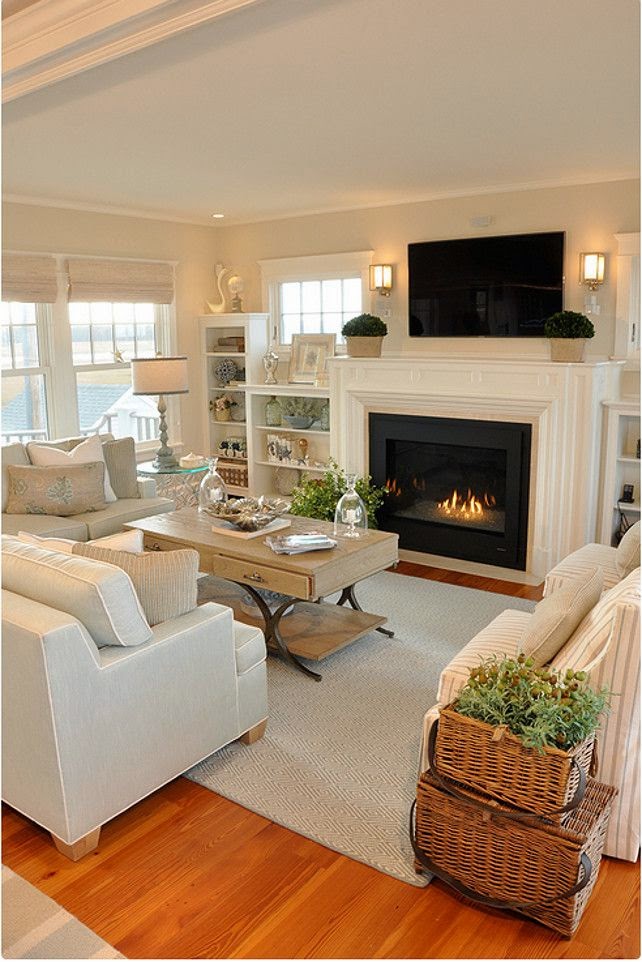
    Balancing functionality with aesthetic appeal in everyday rooms demands a hierarchy where usability dictates form, yet visual warmth is never sacrificed. Storage must be integrated into architectural lines, such as built-in shelving that flanks a fireplace, so utility does not disrupt the eye’s natural flow. Seating arrangements should prioritize conversational ease while using fabrics and silhouettes that contribute texture and softness, turning practical zones into inviting vignettes. Lighting layers—task lamps for reading, ambient sconces for mood—serve dual roles, eliminating glare while sculpting shadows that define spatial character. Every object, from a side table to a throw pillow, must earn its place by performing a function or elevating the room’s sensory quality, avoiding clutter without sterile minimalism. This practical elegance in interior design emerges when traffic paths, maintenance needs, and daily rituals guide material choices, ensuring beauty never impedes movement or comfort. The result is a seamless environment where efficiency feels inherent, not engineered, and visual pleasure reinforces daily routines.

    The Role of Natural Light in Shaping Spatial Perception

    Home design

    Natural light is the most powerful tool for altering how a room feels, completely reshaping spatial perception without moving a single wall. Strategic window placement and reflective surfaces can make a cramped hallway feel expansive, as bright, even illumination softens hard edges and visually pushes boundaries outward. The direction of light matters: warm morning rays from the east add depth to a kitchen, while cool, diffuse northern light makes a bedroom feel airy and calm. Shadow play throughout the day turns static walls into dynamic, changing planes, which keeps a space feeling alive and larger than it is. For a dramatic shift, use sheer curtains to scatter light and glossy paint on ceilings to bounce it deeper into the room.

    Selecting a Cohesive Palette That Transforms Mood

    A truly transformative room begins with selecting a cohesive palette that transforms mood, not just decorating surfaces. Anchor your scheme in a dominant neutral—warm greige or soft clay—to ground the space, then layer in a single saturated accent, like deep teal or terracotta, for emotional depth. Observe how natural light shifts your chosen hues; a cool north-facing room demands warmer undertones to feel inviting, while bright south-facing spaces can handle deeper, moodier shades. Use the 60-30-10 rule: walls dominate, textiles carry the secondary tone, and accessories provide the pop. This deliberate sequencing ensures every shade connects, creating a seamless flow that calms or energizes exactly as you intend.

    • Test three shades of each color directly on your wall; paint chips lie under different lighting.
    • Pull accent tones from existing furniture or art to guarantee harmony without forcing new purchases.
    • Use matte finishes for large surfaces to soften light and high-gloss only on small details to add lift.
    • Limit your palette to five total hues maximum, including neutrals, to prevent visual chaos.

    Space Optimization Strategies for Compact Floor Plans

    In compact floor plans, space optimization begins with vertical layering—install floor-to-ceiling cabinetry to double storage without expanding footprint. Choose multi-functional furniture, like a wall-bed with integrated shelving or a dining table that folds into a console, to serve dual purposes. Replace permanent partitions with sliding or pocket doors to reclaim circulation space, and use zoned lighting to visually separate areas without walls. Built-in seating with under-seat drawers transforms dead corners, while mirrored backsplashes or glossy finishes reflect light, making rooms feel larger. Always map clear 90-centimeter circulation paths before placing furniture—this prevents cramped movement and ensures every square meter remains usable. Prioritize storage at point-of-use, such as toe-kick drawers in kitchens, to eliminate clutter and maintain a streamlined, functional layout.

    Multi-Purpose Furniture Solutions for Smaller Footprints

    In compact floor plans, multi-purpose furniture solutions for smaller footprints transform idle square footage into layered utility. A wall-mounted drop-leaf table folds flush when unused, yet expands to seat four for dining or remote work. Ottomans with hidden storage double as footrests, coffee tables, and guest seating, while platform beds integrate drawers or lift-up bases to absorb bulky linens. Modular shelving units reconfigure vertically, pairing with fold-down desks that vanish after laptop hours. Choosing pieces with dual roles—like a bench with shoe racks beneath—reduces the need for separate entryway furniture without sacrificing function. Sofa beds and nesting side tables adapt to overnight guests or daily shifts in activity. Each item must earn its floor area by serving at least two distinct purposes, turning every corner into an active asset rather than a static obstacle.

    Multi-purpose furniture solutions for smaller footprints maximize every inch by merging storage, seating, and work surfaces into adaptable, space-saving pieces that eliminate single-use clutter.

    Vertical Storage Innovations and Hidden Compartments

    Maximize every spare inch by installing **tall, floor-to-ceiling cabinetry with pull-out pantries** that transform dead wall space into a fully accessible storage zone. Look for innovative solutions like stair risers that conceal deep drawers, or banquette seating with lift-up lids that hide bulky seasonal gear. In kitchens, toe-kick drawers slide out for flat baking sheets, while magnetic panels behind doors capture spice tins and tools. For living areas, consider a recessed wall niche behind a floating art piece—a covert shelf for valuables. Even a headboard can hinge open to reveal a shallow but cavernous closet for linens, merging daily function with stealthy organization.

    Vertical storage and hidden compartments turn overlooked voids—like toe-kicks, risers, and panel backs—into powerful, discreet capacity, proving compact homes can hold everything without visual clutter.

    Home design

    Creating Visual Flow Through Open-Concept Arrangements

    In compact homes, visual flow through open-concept arrangements tricks the eye into seeing more space than exists. Keep sightlines clear by aligning furniture along invisible axes—sofa parallel to the kitchen island, not jutting into pathways. Use a consistent flooring material across zones; a subtle rug shift can define the living area without breaking the rhythm. Position taller pieces, like bookshelves, against walls to avoid chopping the view. Mirror the kitchen’s pendant height with a floor lamp in the seating nook to echo the eye upward. Sometimes, leaving a deliberate gap between a credenza and the wall feels more intentional than shoving it flush. This unbroken line from entry to window makes the whole floor plan exhale.

    Open concepts succeed when every furnishing nudges the gaze forward, uniting zones into one continuous sweep.

    Material Selection and Textural Layering for Depth

    In home design, textural layering for depth begins with material selection that contrasts weight, finish, and grain. Pair a honed limestone tile with rough-sawn oak cabinetry to create visual friction, while a matte plaster wall absorbs light against a polished brass fixture. Choose materials that invite touch—linen, leather, and ceramic—and alternate their densities across surfaces. For depth, avoid mixing more than three dominant textures per room; instead, repeat one in varying scales, like a chunky wool rug beneath a smooth concrete coffee table. Use material selection for spatial dimension by letting a vertical element, such as a fluted panel or stacked slate, break the horizontal plane. Always test samples in situ, as natural and artificial light will shift how each texture reads, turning flat walls into dynamic, layered compositions.

    Combining Wood, Metal, and Fabric for Tactile Contrast

    Pairing rough, reclaimed wood with sleek metal and soft fabric instantly adds tactile contrast in home design. Start with a massive oak dining table, then introduce brushed steel chairs—their cool, smooth surfaces play against the wood’s grain. Layer in a wool or linen runner across the table to soften the visual weight and invite touch. For a living room, combine a walnut coffee table with a steel-framed sofa draped in a chunky knit throw. The key is balancing textures: don’t let one material dominate. Instead, alternate them—wood on the floor, metal in lighting, fabric on cushions—so your hand naturally discovers differences. This mix makes a space feel lived-in and dynamic without overwhelming the senses.

    1. Choose a dominant wood piece (table, shelving) as your base.
    2. Add metal accents (legs, lamps, frames) that contrast in temperature and smoothness.
    3. Finish with fabric elements (rugs, throws, cushions) that offer softness and warmth against hard surfaces.
    4. Test the feel by running your hand across each material—adjust ratios until no single texture overwhelms.

    Sustainable and Eco-Conscious Material Choices

    Sustainable material choices anchor textural layering in a low-impact palette, where reclaimed wood, bamboo, and cork replace virgin timber for warmth without deforestation. Opt for recycled-glass tiles or wool felt panels to introduce tactile variation while sequestering embodied carbon. Closed-loop manufacturing ensures offcuts from hemp-lime plaster or mycelium composites return to production, not landfills. Even natural dyes, when sourced from agricultural waste, shift the depth equation from extraction to renewal. Pair these with clay-based paints to regulate humidity, letting each layer degrade safely at end-of-life. Prioritize locally quarried stone or rammed earth for mass, reducing transport emissions while grounding the room’s texture.

    Eco-conscious layering proves that depth emerges from restorative cycles—each material’s story, from source to decay, becomes the room’s quiet structure.

    Durable Surfaces for High-Traffic Zones

    For high-traffic zones like entryways, hallways, and kitchens, think of surfaces as the hardworking backbone of your design. Porcelain tile and luxury vinyl plank are your best pals here, offering serious scratch and moisture resistance without looking utilitarian. Textural layering comes into play by choosing a matte finish or subtle wood-grain relief, which hides scuffs and adds visual depth where it counts. Natural stone, like quartzite, is another tough option, but ensure it’s sealed for daily wear. Mixing a durable floor with a coarser area rug creates a tactile contrast that still withstands heavy footfall. Remember, the goal is seamless longevity, not just first impressions.

    Durable surfaces for high-traffic zones balance hard-wearing materials with textural finishes, keeping busy areas beautiful and low-maintenance for years.

    Lighting Design That Enhances Architectural Details

    Strategic lighting design transforms plain walls and ceilings into sculpted focal points, revealing the texture of brick, the grain of wood, and the crisp shadow lines of recessed niches. Use wall grazing with fixtures placed six to twelve inches from the surface to dramatize stone or plaster, while uplighting in coves visually lifts low ceilings and accentuates beams. For crown molding, a thin LED strip along the ledge creates a floating effect that sharpens the profile. Never place accent lights directly above a detail—angle them at 30 degrees to avoid flat, washed-out illumination and instead carve depth that changes throughout the day with dimmers. The result is a home where architecture itself becomes the artwork, not the furniture. Focused beams on a fireplace’s rough-hewn mantle or a stair’s floating treads deliver that deliberate, gallery-like richness without adding a single decorative object.

    Layered Illumination: Ambient, Task, and Accent Lights

    Layered illumination is the trick to making your home’s architecture feel intentional, not accidental. Start with ambient light for architectural depth—think cove LEDs that wash a textured wall or vaulted ceiling, erasing harsh shadows. Then add task light where you actually work, like a swing-arm sconce beside a reading nook built into a bay window. Finally, accent lights are your spotlight moment: a tiny rail aimed at a brick chimney or a picture light over a recessed shelf. Together, these three layers let you dim the room to a moody glow or brighten a specific carving, all without flattening the space.

    • Use dimmers on ambient layers to shift the perceived height of a ceiling.
    • Position task lights to graze stone or wood surfaces, revealing their grain.
    • Place accent lights at a 30-degree angle to highlight molding or columns.

    Statement Fixtures as Focal Points in Entryways and Dining Areas

    A sculptural chandelier or striking pendant transforms an entryway into an immediate visual anchor, setting the home’s tone before a single step further. In dining areas, a **bold statement fixture** lowers the visual ceiling, creating an intimate, gathering-focused atmosphere that bare recessed lights cannot achieve. Position the piece so it aligns with the table’s center or the entry’s sightline, ensuring it frames architectural views rather than blocking them. Choose materials that contrast with your finishes—brass against matte black, glass against stone—to amplify depth and draw the eye upward, making the fixture the defining character of the space.

    Smart Lighting Controls for Adaptive Atmospheres

    Smart lighting controls enable adaptive atmospheres by allowing homeowners to shift a room’s mood through tunable white light and color temperature presets. Scene-based dimming can emphasize a coffered ceiling’s shadow lines during evening hours, while daylight-sensing controls adjust accent fixtures to maintain texture visibility as sunlight fades. Occupancy triggers can subtly raise illumination near a feature wall, ensuring architectural niches remain visually distinct without manual input. Voice or app adjustments give instant control over contrast levels, letting you highlight a stone fireplace or a wooden beam structure with precision. These systems prioritize adaptive lighting scenes for architectural emphasis, turning static details into dynamic focal points.

    Smart lighting controls create adaptive atmospheres by dynamically tuning intensity and color to showcase architectural details throughout the day.

    Home design

    Color Psychology and Wall Finishes That Define Character

    Color psychology transforms a house into a home by letting wall finishes whisper or shout your story. A matte, limewash clay in terracotta can wrap a living room in earthy warmth, while a high-gloss lacquered navy in a study injects sharp, focused energy—proving finish texture alters how a hue feels. For bedrooms, opt for chalky, flat paints in dusty sage or blush to soften light and lower heart rate, while kitchen surfaces crave scrubbable satin in mood-lifting citrus yellow. Why does sheen matter? Because gloss reflects more light, intensifying color’s emotional punch, whereas flat absorbs it, creating calm depth. Pair a deep charcoal feature wall behind your bed with a velvety, eggshell finish to anchor the room without suffocating it. Ultimately, your chosen pigments and their tactile surfaces are silent co-designers, sculpting daily moods. Ask yourself: do I want this wall to hug me or ignite me?

    Neutral Backdrops Versus Bold Accent Walls

    Choosing between neutral backdrops and bold accent walls hinges on the emotional volume you want in a room. A neutral palette of soft greige or warm ivory acts as a visual breather, allowing furniture textures and natural light to take center stage without sensory overload, which is perfect for high-traffic zones that need to feel expansive and calm. Conversely, a saturated emerald or terracotta accent wall injects immediate drama, anchoring a space with a specific mood like intimacy or creativity. For a cohesive result, paint your bold hue on the wall facing the entryway, letting neutrals wrap the remaining surfaces so the accent wall color psychology is absorbed rather than overwhelming the room’s flow.

    Paint Textures, Wallpapers, and Paneled Effects

    Textured paint, such as limewash or Venetian plaster, introduces a tactile, light-absorbing depth that flat color cannot replicate, instantly aging a room with quiet sophistication. Wallpapers, from grasscloth to bold botanicals, define character by enveloping a space in pattern, turning an accent wall into a storytelling focal point that anchors furniture. Paneled effects—beadboard, shiplap, or molded MDF—add architectural rhythm, creating shadows that shift with daylight and lending a bespoke, tailored feel to otherwise plain drywall. Combining these finishes layers visual weight: pair a subtle textured ceiling with a vibrant papered niche or paint wood paneling in a moody hue for drama. Each option transforms spatial perception, making rooms feel larger, cozier, or more formal, purely through superficial yet powerful surface manipulation.

    Paint textures, wallpapers, and paneled effects are the fastest way to inject spatial character—delivering depth, story, and architectural intrigue without structural change.

    Using Tone Transitions to Zone Open Areas

    In open-plan homes, tonal shifts replace walls. A **layered tone transition** uses subtle saturation changes—a deep sage on the dining wall bleeding into a pale cream on the living side—to trick the eye into perceiving distinct rooms without breaking sightlines. Go darker on structural pillars or the ceiling over a seating nook to pull that zone inward, visually lowering the space for intimacy. Conversely, lift the tone toward white in high-traffic corridors to push them outward, making them feel like passage, not destination. The finish matters equally: matte absorbs light and softens boundaries, while a satin sheen on an island or bar front reflects it, anchoring that zone with quiet authority. Match your transition line to a physical edge—a beam, a rug’s perimeter—so the shift feels deliberate, not accidental.

    Furniture Curation and Spatial Rhythm

    Furniture curation is the deliberate sequencing of pieces to create spatial rhythm in home design. Rather than filling a room, you sculpt movement by alternating heights, volumes, and visual weights—a low sofa next to a tall bookshelf, a solid armchair against a slim-legged table. This cadence guides the eye naturally, making a long living room feel intimate or a compact studio feel expansive. Anchor each seating group with a heavyweight piece, then let lighter accents (open shelving, glass tops) breathe between them. Walk your path through the space: every turn should reveal a new focal point without clutter. The goal is a tactile, rhythmic flow where each item earns its place by advancing the room’s tempo, not just its decor. Curate consciously, and your home will feel choreographed, not cluttered.

    Proportions That Complement Room Dimensions

    Proportions that complement room dimensions anchor furniture curation, ensuring each piece relates harmoniously to the space’s volume. Oversized sofas overwhelm a compact living area, while petite chairs vanish in a lofty great room, so measure both footprint and ceiling height before selecting. In narrow rooms, low-profile seating and slender consoles maintain visual clearance, whereas spacious interiors support substantial sectionals and tall bookcases to fill vertical mass. Scale should also align with traffic flow, leaving at least 90 centimeters of walkway around primary pieces. Scale-to-space ratio governs this balance, preventing cramped or cavernous outcomes. Pairing one large anchor with smaller accent items creates a layered, comfortable ensemble.

    • Match sofa depth to room width, leaving breathing room around all sides.
    • Use ceiling height to decide between low loungers and taller storage units.
    • Test proportions with painter’s tape on the floor before committing to purchase.

    Arranging Seating to Foster Conversation and Comfort

    Arranging seating to foster conversation and comfort hinges on the **proximity and angle of your furniture**. Place chairs and sofas within eight feet of each other, angled slightly inward rather than face-to-face, to create an intimate yet open sightline. Anchor the grouping with a central coffee table, keeping it within eighteen inches of each seat so drinks and books remain within easy reach. Avoid lining furniture against walls; instead, float pieces to form defined zones that naturally pull people into dialogue. Always prioritize soft, supportive seating with armrests and deep cushions, ensuring every seat feels equally inviting. This deliberate spatial rhythm transforms a room from a static display into a welcoming, liveable gathering space.

    What is the most effective seating arrangement to spark conversation? The best method is a circular or U-shaped configuration, where no one sits with their back to the group, and all eye lines intersect comfortably at a shared focal point, like a fireplace or coffee table.

    Antiques and Modern Pieces: Eclectic Pairing Tactics

    Successful eclectic pairing hinges on deliberate contrast rather than random assembly. Anchor a room with one substantial antique, such as a carved oak sideboard, then introduce clean-lined modern chairs to create visual tension without competing for dominance. Match wood tones loosely—warm walnut with a matte black steel frame—to unify disparate eras. Scale matters: pair a bulky vintage armoire with a slim, low-profile sofa to maintain spatial rhythm. Use modern lighting to illuminate antique patinas, and limit antiques to two or three pieces per zone to avoid a museum effect. Finally, prioritize functional juxtaposition over ornament—set a leather-and-chrome desk against a linen-upholstered Victorian settee. This tactic builds layered, lived-in depth.

    Eclectic pairing succeeds when antiques provide gravitas and modern pieces offer breathing room, connected by shared undertones and conscious scale.

    Window Treatments and Privacy Solutions

    Window treatments are the decisive layer in home design, merging architectural intent with personal sanctuary. Privacy solutions must be tailored to orientation and sightlines—sheer layered under blackout drapes offers daylight control without sacrificing seclusion, while top-down/bottom-up shades let you shield the lower half of a window while keeping sky views and natural light. For street-level rooms, frosted film or cellular shades provide an immediate, elegant barrier that still diffuses warmth.

    The most effective privacy is a dynamic system, not a static cover—adjust it as the sun and neighbors shift.

    Choose motorized options for hard-to-reach windows, and pair valances or cornices to hide hardware, ensuring your privacy strategy feels intentional, not utilitarian, within the overall composition of your space.

    Sheer Layers, Blackout Options, and Motorized Drapes

    Sheer layers diffuse daylight while preserving a soft outdoor connection, making them ideal for living spaces that need brightness without glare. For bedrooms or media rooms, **blackout options with motorized drapes** provide total light control and thermal insulation, blocking external noise as well. Motorized systems add convenience by allowing scheduled opening and closing, which supports consistent privacy even when you are away. Pairing sheers with heavier blackout panels offers flexible zoning: sheer transparency by day, complete opacity at night. Remote or app-based adjustments also protect flooring and furniture from UV fading, while cordless designs enhance safety for households with children or pets.

    Frame Styles That Alter Perceived Window Size

    Choosing the right frame style is a powerful tool for manipulating spatial perception. A slim, minimal profile, especially in a light color, makes a window feel expansive by minimizing visual obstruction. Conversely, thick, dark-toned frames visually contract the opening, making it appear smaller and cozier, which suits intimate spaces. For a dramatic effect, consider a frame that extends to the floor, creating an elongated sightline that increases the perceived ceiling height. Ultimately, the frame acts as a visual ruler for the glass, and selecting its width and color is the key to altering perceived window scale without any structural changes.

    Integrating Blinds and Shutters with Interior Motifs

    Integrating blinds and shutters with interior motifs means treating them as design elements, not afterthoughts. Match wood-stained shutters to your floorboards or cabinetry for a seamless, grounded flow, while painted white options brighten a coastal or minimalist palette. For bold, maximalist rooms, use patterned roller blinds to echo accent pillows or artwork, creating a deliberate visual echo. Layering sheer blinds beneath darker shutters adds depth and lets you shift from airy daylight to full privacy without breaking the motif’s rhythm. This motif-driven window styling transforms fixtures into a unifying design force.

    Flooring Choices That Anchor the Visual Narrative

    Flooring is the first tactile and visual handshake a room offers, and your choice dictates whether the entire narrative feels grounded or untethered. A wide-plank oak in a matte finish whispers enduring warmth, anchoring a living space with organic texture, while polished concrete delivers a cool, monolithic statement that makes minimalist furniture appear intentional. The scale and direction of the planks or tiles set the room’s rhythm—horizontal layouts widen narrow corridors, and large-format stone eliminates visual noise for a seamless, gallery-like flow. Color temperature is your silent storyteller: ash-gray flooring cools a sun-drenched room, whereas rich walnut injects immediate coziness into stark, north-facing spaces. A room can change its entire biography simply by what lies underfoot, making the floor the most honest anchor of your design intent. Choose a surface that agrees with your light and lifestyle, and every subsequent furnishing decision will align with conviction.

    Hardwood, Laminate, or Engineered Planks: A Comparison

    Choosing between hardwood, laminate, or engineered planks hinges on moisture tolerance, refinishing ability, and budget. Solid hardwood offers timeless character and can be sanded repeatedly, but it warps in humid basements. Laminate mimics wood via a photographic layer, resisting scratches and water best, yet it cannot be refinished and sounds hollow underfoot. Engineered planks feature a real wood veneer over plywood core, providing dimensional stability for concrete slabs while allowing one or two light sandings. For kitchens or sunrooms, laminate wins on durability; for open living areas, solid hardwood adds lasting resale value. Engineered suits radiant-heat systems. Match the plank to the room’s humidity, foot traffic, and long-term maintenance expectations.

    • Laminate stands up to pets and spills with zero refinishing needed.
    • Engineered works over concrete subfloors where solid hardwood fails.
    • Solid hardwood can be refinished five or more times over its life.
    • Thick veneer (≥4mm) on engineered allows deeper sanding than thin veneers.

    Area Rugs as Unifiers and Style Statement Pieces

    Area rugs function as visual anchors for cohesive room narratives, bridging disparate furniture zones into a singular composition. A rug’s placement under a coffee table or seating cluster physically binds loose elements, while its pattern echoes accent colors from pillows or artwork, creating deliberate repetition. For style statements, oversized geometric designs inject contemporary drama, whereas vintage kilims introduce layered eclecticism against neutral hardwoods. Scale dictates unification: a rug too small fragments the arrangement, while one covering the entire perimeter flattens depth. The border—whether high-contrast or tonal—signals transition between flooring and furnishings, guiding the eye toward the room’s functional hub. Texture further cements the statement: high-pile wool softens modernist lines, flatweave sisal grounds coastal palettes. Ultimately, the rug’s graphic weight must balance—not overpower—surrounding architecture, ensuring it harmonizes rather than competes.

    Heat and Acoustic Considerations for Basement or Loft Spaces

    In basements, the slab leaches cold upward, so cork or dense rubber underlayment becomes the silent hero, insulating underfoot while muffling the footsteps that would otherwise echo like drumbeats. Conversely, lofts trap rising warmth, demanding cooler surfaces like polished concrete that absorb heat without amplifying the thud of movement. Open-weave carpets fail acoustically and thermally in these extremes; instead, interlocking vinyl planks with attached foam padding deliver balanced thermal and sound insulation without raising the floor profile. For a loft, pairing area rugs atop hard flooring soaks up reverberation while allowing heat to dissipate, whereas basements benefit from felt-backed tiles that buffer against both chill and hollow noise.

    Kitchen and Dining Zones: Heart of the Household

    The kitchen and dining zone forms the true heart of the household, where design must balance bustling workflow with intimate connection. Prioritize a clear work triangle between sink, stove, and refrigerator to keep meal prep fluid, then extend that energy into a dining area that invites lingering. Open shelving and a large island encourage casual interaction, while layered lighting—pendants over the counter, dimmers above the table—shifts the mood from bright cooking to warm conversation. Choose durable, warm materials like quartz and oak that unify both spaces visually. Traffic flow matters more than square footage. Q&A: How do you connect kitchen and dining without a wall? Use a continuous floor finish and a shared peninsula that seats guests, keeping the cook engaged.

    Island Layouts and Work Triangle Efficiency

    An island layout compresses the work triangle, placing sink, cooktop, and refrigerator within effortless reach. To maximize work triangle efficiency, position the island’s prep zone directly between the primary cooking and cleaning surfaces, keeping each leg under nine feet. This reduces cross-traffic bottlenecks while allowing multiple cooks to move without collision. For optimal flow, align the cooktop on the perimeter and the sink facing the island, so prep, cooking, and cleanup happen in one fluid rotation. Avoid placing the refrigerator behind the island’s seating side, as that breaks the triangle’s rhythm.

    • Keep triangle legs between 4 and 9 feet for smooth pivoting.
    • Place the sink opposite the cooktop on the island for direct transfer.
    • Ensure at least 42 inches of clearance around the island for uninterrupted passage.

    Cabinet Finishes and Hardware That Reinvent Cabinetry

    Cabinet finishes and hardware are the fastest way to reinvent cabinetry without a full remodel. Matte black pulls or brushed brass knobs instantly shift a kitchen’s personality, while textured wood grain finishes add warmth that flat laminate can’t match. For a sleek, modern feel, try handleless push-to-open mechanisms paired with high-gloss lacquer in deep green or navy. If you love farmhouse charm, cup pulls on shaker doors with a limewash finish create soft, lived-in depth. Always test hardware against your finish under natural light—mismatched undertones clash faster than you’d think. A single bold hinge or a mixed-metal approach can tie the whole dining zone together. For a quick refresh:

    1. Sand and re-stain existing doors for a richer grain, or apply chalk paint for a matte, tactile update.
    2. Swap out outdated knobs for longer bar pulls to visually elongate drawer fronts.
    3. Add leather or ceramic pulls as accent pieces that soften hard edges and invite touch.

    Open Shelving Versus Closed Storage for Culinary Spaces

    Open shelving turns everyday dishware into decor, making frequently used plates and glasses easy to grab. It thrives in culinary spaces designed for display, but demands honest tidiness—dust settles fast, and oils can film your prettiest ceramics. Closed storage hides the visual chaos of mismatched lids, bulk spices, and small appliances, keeping counters visually calm. Mix both: use open shelves for a curated set of matching bowls or cookbooks, and reserve base cabinets or upper units for the noisy, bulky, or rarely used. Think about your cooking habits—if you rinse dishes constantly, open racks dry quicker, while closed drawers better protect fragile glassware from grease. Zone-based access wins: keep everyday items within reach, stow the rest behind doors.

    Balance open display for daily beauty with closed concealment for clutter—your kitchen should serve your workflow, not just your aesthetic.

    Bedroom Sanctuaries: Comfort-Centric Design Approaches

    A bedroom sanctuary prioritizes sensory calm through layered textures, dimmable lighting, and acoustic softness. Start with a low-profile bed frame and breathable linen bedding to anchor the space, then introduce blackout curtains and a plush wool rug to muffle sound. Zoned lighting—a warm bedside lamp, a dimmer on overhead fixtures—lets you shift from daytime energy to evening rest. Keep surfaces intentionally sparse; a single tray for glasses and a book reduces visual noise. Question: What is the fastest way to make a bedroom feel more restorative? Answer: Replace harsh overhead light with multiple warm, low-wattage lamps and add heavy drapes or a fabric headboard to absorb echo. Incorporate a chaise or window seat if space allows, giving the room a distinct lounging corner separate from sleep. Finally, use natural wood or matte ceramic accessories to avoid reflective glare, and ensure your mattress topper offers pressure relief without trapping heat. The goal is not decoration but a functional retreat where every element—from pillow firmness to ceiling fan speed—serves your comfort baseline.

    Headboard Styles and Bed Placement for Optimal Rest

    The headboard is your bed’s anchor for both visual comfort and physical support. For optimal rest, a tall, upholstered panel absorbs sound and cushions your back when sitting up to read, while a low wooden style suits minimalist rooms where the view matters more. Position your bed on the wall farthest from the door, yet avoid aligning nyfurnitureoutlets your head directly under a window—drafts disrupt sleep. Keep one bedside wall clear of clutter to lower subconscious stress. Pairing a plush headboard with a floating shelf above creates a cozy, protected nook. Strategic bed placement against a solid interior wall reduces noise and enhances thermal stability, while the headboard acts as a thermal buffer. Feng shui principles also recommend a solid wall behind you for a sense of security.

    • Choose a high, padded headboard if you read or watch TV in bed for neck support.
    • Place the bed diagonally across from the door—never in direct line with it—for a commanding yet calm view.
    • Leave at least 24 inches on both sides of the bed for easy movement and balanced energy.
    • Select a headboard height that matches your pillow stack to avoid a visual gap.

    Closet Organization Systems for Minimalist Routines

    A streamlined closet transforms a bedroom into a true sanctuary by eliminating visual noise before the day begins. For a minimalist routine, anchor the space with open shelving and a single hanging rail, keeping only seasonally relevant pieces accessible. Install drawer dividers for foldable items, assigning one category per compartment to prevent pile-up. A weekly reset—returning every item to its designated spot—takes under five minutes, preserving the calm. Use uniform velvet hangers to save width and create a cohesive line, while a low bench or floor basket catches “to-donate” items instantly. This system thrives on daily friction-free selection, ensuring you grab, wear, and go without rearranging a single garment.

    1. Edit down to core wardrobe pieces, then group them by function (work, leisure, sleep).
    2. Allocate one shelf per group and one drawer per accessory type (socks, belts, undergarments).
    3. Label each zone subtly, then commit to a Sunday evening ten-minute re-sort.

    Layering Bedding Textures for Year-Round Comfort

    Mastering layering bedding textures for year-round comfort means building a base of breathable cotton or linen, then adding a quilt or lightweight blanket for transitional seasons. Swap heavy wool throws for a chunky knit or waffle weave when temperatures rise, while flannel sheets offer cozy warmth without bulk. A duvet with a removable cover lets you adjust fill weight—use a down alternative for cooler nights and a crisp percale topper for summer freshness. Finish with a velvet or boucle lumbar pillow for tactile contrast. The goal is a bed you can adapt in minutes, not replace seasonally.

    • Choose a moisture-wicking base layer to prevent overheating.
    • Keep two mid-layer options: one insulated, one airy mesh or muslin.
    • Rotate decorative throws by weight, not just color.

    Bathroom Retreats: Spa-Inspired Residential Upgrades

    A bathroom retreat transforms daily routines into a restorative ritual within your own home. Prioritize a freestanding soaking tub as the visual anchor, paired with a thermostatic rain shower for adjustable pressure and temperature. Incorporate natural materials like teak wood accents and honed stone tiles to introduce warmth and organic texture, while recessed niche shelving keeps toiletries clutter-free. Strategic lighting—dimmable sconces flanking the mirror—mimics spa ambiance, and heated flooring eliminates the shock of cold tile. Question: What single upgrade delivers the most noticeable spa feel? Answer: A curbless shower with a linear drain not only looks seamless but also enhances accessibility and simplifies cleaning. Finish with plush, quick-dry towels and a minimalist vessel sink to complete a serene, hotel-like atmosphere that adds tangible comfort and daily value.

    Walk-In Showers, Freestanding Tubs, and Wet Rooms

    Walk-in showers eliminate step-over thresholds, allowing seamless floor transitions that visually expand compact bathrooms while simplifying daily access. Freestanding tubs act as sculptural anchors, demanding generous floor space but rewarding with immersive soaking depths—position them near natural light for a resort-like focal point. Wet rooms merge both concepts by waterproofing the entire enclosure, enabling an open-plan layout where a shower and tub coexist without barriers, though meticulous slope grading toward a linear drain is critical to prevent pooling. Strategic zoning within a wet room—placing the tub farthest from the drain and the shower head opposite—prevents slippery cross-traffic and preserves a dry seating niche. Choose matte, slip-resistant tile for wet-room floors and glass panels for walk-in showers to maintain an airy, spa-driven aesthetic.

    • Use a curbless shower entry with a trench drain for barrier-free motion.
    • Select a freestanding tub with a deck-mounted filler to avoid wall plumbing constraints.
    • Install a heated towel rail near the wet room’s drying zone for post-soak comfort.

    Vanity Lighting and Mirror Placement for Function

    For a spa-like bathroom that actually works, vanity lighting and mirror placement are everything. Flank a mirror with vertical sconces at eye level to erase shadows, and keep the fixture about 30 inches apart for even glow. If you’re short on wall space, a backlit mirror softens light beautifully. Position the mirror so it doesn’t fight the window—side light beats overhead for makeup or shaving. Layered vanity lighting transforms a dull routine into a daily ritual, so pair dimmers with daylight bulbs. What’s the best height for vanity sconces? Mount them 60–66 inches from the floor, angled slightly inward, to flatter your face without glare.

    Moisture-Resistant Materials That Retain Elegance

    For a spa-inspired bathroom retreat, elegance must survive steam and splash. Choose moisture-resistant materials that retain elegance by prioritizing engineered stone, such as quartz, which mimics marble’s veining without porosity. Porcelain large-format tiles offer a seamless, matte finish that resists warping, while teak—oiled quarterly—provides warm, slip-safe flooring that ages gracefully. Avoid natural marble in wet zones; instead, use ceramic wall panels with a subtle book-matched grain. Seal all grout lines with epoxy, and specify nickel or stainless fixtures with a brushed finish to prevent corrosion. For a clear sequence:

    1. Assess the humidity level of each zone.
    2. Select non-porous surfaces for floors and shower walls.
    3. Apply a breathable sealant to any natural wood accents.
    4. Finish with water-resistant, matte enamel on vanity cabinets.

    This layering preserves tactile refinement while ensuring long-term performance.

    Home design

    Outdoor-Indoor Connections and Transitional Design

    Outdoor-indoor connections transform a house by erasing the barrier between living spaces and nature. Transitional design achieves this through large sliding glass doors, covered patios, and consistent flooring that extends seamlessly outside. Use the same material palette—wood, stone, or concrete—to visually unify both zones, making the exterior feel like an extension of your interior. Strategically place operable windows or bi-fold doors to invite cross-ventilation, while a deep overhang or pergola softens the threshold and protects against harsh sun. Furnish the outdoor area with the same comfort level as your indoor lounge, adding weather-resistant textiles and layered lighting. This approach not only expands usable square footage but also enhances daily well-being. By prioritizing transitional design principles, you create a fluid, intuitive flow that makes every room feel larger, brighter, and more connected to the landscape.

    Sliding Glass Walls and Bi-Fold Doors

    Sliding glass walls and bi-fold doors are the ultimate way to erase the line between your living room and patio. Unlike standard doors, these systems collapse or glide away smoothly, creating a wide, unobstructed opening that floods your home with natural light. For a seamless flow, choose a track that’s flush with your floor—this prevents tripping and makes cleaning a breeze. Bi-fold doors fold into neat stacks against the wall, perfect for corners, while sliding walls work better on long, straight spans. Both options let you control ventilation by opening just one panel. Maximizing your home’s indoor-outdoor flow starts with picking the right hardware—think thermal-broken aluminum frames to keep your space cozy year-round.

    Question: Do bi-fold doors need special floor reinforcement?
    Yes, because they carry more weight along the track, so a structural engineer should check your subfloor before installation—especially for wide spans.

    Patio Flooring That Mirrors Interior Aesthetics

    To achieve patio flooring that mirrors interior aesthetics, select materials and layouts that visually extend your indoor living space without a hard break. Match the exact tile format, grout color, and installation pattern—such as large-format porcelain planks or hexagon mosaics—used inside. For wood-look interiors, opt for porcelain timber-look tiles outdoors, which replicate grain texture while resisting moisture and UV fade. Keep the same joint width and level threshold to create a seamless transition. If indoors features polished concrete, use a broom-finished or matte-sealed concrete patio to echo the tone, not the glossy finish. Coordinate surface temperature and slip resistance for barefoot comfort, but avoid changing the visual scale or color palette.

    Covered Terraces with Integrated Heating and Greenery

    Covered terraces function as true transitional zones when integrated heating and greenery work in tandem. Radiant floor heating or infrared panels mounted beneath the ceiling maintain surface temperatures, preventing the cold-air sink effect that typically undermines enclosed outdoor spaces. This thermal stability allows heat-loving plants like citrus trees or bougainvillea to thrive year-round, creating a living microclimate. The greenery, in turn, moderates humidity and filters dust, reducing the load on the heating system. For effective design, follow this sequence: first, install a moisture barrier and insulated roof; second, position heating elements to warm the seating area rather than the walls; third, select plants with low light requirements if glazing is tinted; fourth, place large-leaf species near the perimeter to deflect wind and create a thermal buffer. This layering produces a space that feels neither fully interior nor exterior, but consistently habitable.

    Smart Home Integration Without Sacrificing Style

    Smart home integration without sacrificing style means choosing tech that hides in plain sight. Instead of bulky white plastic hubs, opt for in-wall touchscreens that blend with your paint, or voice controllers disguised as minimalist sculptural objects. Hide wires behind baseboards and use flush-mount outlets for chargers. For lighting, swap exposed smart bulbs for discreet LED strips under cabinets or behind coves—they deliver the same app control without altering your room’s visual rhythm. Speakers can be built into ceilings or tucked inside custom cabinetry, while motorized blinds sit flush against the window frame.

    The key is to prioritize devices with customizable faceplates and finishes, so every sensor or switch matches your hardware—brass, matte black, or oak—rather than fighting it.

    Finally, program scenes that feel organic: a gradual “sunset” dim rather than abrupt on/off, keeping your home’s ambiance intact even when tech is working.

    Concealed Speakers, Thermostats, and Security Interfaces

    Concealed speakers merge with millwork, using grilles painted to match walls or fabric panels that absorb sound while maintaining visual silence. Thermostats, now offered in brushed metal or glass finishes, sit flush against plaster, their minimal displays blending into the architecture alongside light switches. Security interfaces prioritize discretion: keypads hide inside closets, while cameras disguise as smoke detectors or doorbells, their feeds accessible through a single, unobtrusive wall tablet. Discreet smart home controls ensure that no gadget disrupts a room’s curated palette, with wiring routed during renovation to avoid visible conduit. Programming is done remotely, so the homeowner never interacts with exposed hardware—only with the seamless environment it maintains.

    Concealed speakers, flush thermostats, and disguised security interfaces deliver full smart functionality without compromising architectural integrity.

    Automated Shading and Climate Control Interfaces

    Automated shading and climate control interfaces merge discreet motorized blinds, thermostats, and sensors into a unified wall panel or app, letting you adjust light and temperature without cluttering sightlines. These interfaces learn your daily rhythms, shifting shades before sunrise and cooling rooms before you arrive, all while preserving clean architectural lines. A polished touchscreen or minimalist rotary dial replaces bulky remotes, maintaining interior elegance. Automated shading and climate control interfaces also sync with occupancy sensing to prevent energy waste, reacting to natural daylight and body heat in real time.

    • Program per-room schedules for blinds and HVAC from one central interface
    • Use voice or gesture commands to override settings without visible controls
    • Prioritize silent motors and low-profile sensors to avoid visual or acoustic intrusion

    Charging Stations and Cable Management in Furniture Design

    Integrated charging stations transform furniture into a utility hub, eliminating visible cords while preserving aesthetic intent. Concealed cable management systems route wires through built-in channels, drawers, or telescopic columns, ensuring devices power up without tangling the visual landscape. Designers embed USB-C ports and wireless pads directly into desktops, nightstands, and sofa armrests, aligning charging zones with natural seating postures. Cable trays and grommets handle retrofits, while hinged compartments hide excess length for clean lines. A table compares approaches: surface-mounted docks prioritize access (minimal installation, visible hardware); flush-integrated outlets favor minimalism (higher cost, custom milling); magnetic breakaway connectors add safety but reduce power throughput. Each choice balances reachability against clutter, requiring users to map device placement before finalizing furniture specs.

    Personalization Through Art, Decor, and Accessories

    Personalization through art, decor, and accessories transforms a house into a lived-in narrative. Instead of following showroom trends, choose statement pieces that echo your travels, heritage, or obsessions—a handwoven textile, a sculptural vase, or a gallery wall of mismatched frames. Layer textures deliberately: rough ceramics against smooth velvet, matte black metal beside warm oak to create tactile depth. Swap out generic cushions for custom embroidered throws, and let bookshelves display curated objects rather than mere storage. A bold abstract painting can anchor a neutral sofa, while vintage brass candlesticks add unexpected warmth to a modern console. Rotate seasonal accessories—dried botanicals in autumn, bright porcelain in summer—to keep the space feeling alive. Ultimately, the goal is eclectic cohesion: every piece should spark a memory or a feeling, making your home unmistakably yours.

    Gallery Walls: Curating Scale, Frame, and Spacing

    A successful gallery wall depends on mastering three core variables: scale, frame consistency, and spacing. Curating a cohesive gallery wall begins by pairing larger anchor pieces with smaller companions, avoiding equal-sized grids that feel rigid. Frames should share at least one common element—be it color, material, or profile thickness—to unify disparate artwork. For spacing, maintain a uniform gap of 2 to 3 inches between frames; anything wider visually disconnects the arrangement. Before hammering nails, lay the composition on the floor to test balance, then transfer measurements to the wall. This method ensures each piece breathes while the overall cluster reads as a deliberate, single installation rather than scattered decor.

    Mirrors to Magnify Light and Perceived Square Footage

    Positioning a large mirror directly across from a window effectively doubles the incoming daylight by reflecting it into deeper zones, brightening corners that would otherwise remain shadowed. For perceived square footage, mounting a floor-to-ceiling mirror on a narrow wall visually extends the room’s depth, making a compact living area feel twice as expansive without structural changes. Angling a mirror toward a lamp or sconce amplifies artificial glow, reducing the need for extra fixtures. Choose a frameless or thin-edged design to avoid visual bulk, and avoid placing mirrors opposite cluttered surfaces, as they will double the mess and shrink the perceived openness. Strategic mirror placement maximizes both natural light and spatial illusion, so test angles at different times of day.

    Mirrors magnify light by redirecting it and enlarge perceived square footage by reflecting depth, making them the simplest tool for visually expanding a room.

    Seasonal Decor Swaps That Refresh Without Renovation

    Seasonal decor swaps offer a calculated method to reinvent a room’s atmosphere without structural changes, relying on interchangeable elements that shift visual weight. Prioritize high-impact zones—entryway consoles, mantels, and coffee tables—where a single textile or objet d’art alters perception. Rotate textures first: linen throws in spring, chunky knits in autumn, and velvet cushions in winter, as fabric density directly influences thermal and visual comfort. Then, swap seasonal accent lighting, such as ceramic lanterns for summer or brass candleholders for festive periods, to modify shadow patterns and focal points. Finally, cycle wall art by storing unframed canvas prints and rehanging them, which changes color temperature and narrative without drilling new holes. This systemized rotation keeps interiors dynamic and cost-effective.

    What Does a Cohesive Home Design Actually Look Like?

    Defining Your Personal Aesthetic Before You Buy Anything

    How to Blend Textures, Patterns, and Finishes Without Clashing

    Space Planning 101: Maximizing Flow and Function in Every Room

    Practical Layout Tips for Small Living Areas and Open-Concept Floors

    How to Zone a Room for Multiple Purposes Using Furniture Placement

    Color Psychology: Choosing a Palette That Matches Your Mood and Light

    How Natural Light Affects Your Paint Choices by Room Orientation

    Simple Rules for Mixing Neutrals with Accent Colors Successfully

    Furniture Selection: What to Prioritize for Durability and Comfort

    Key Measurements to Check Before You Buy a Sofa, Bed, or Dining Table

    How to Balance Statement Pieces with Understated Essentials

    Lighting Layers: The Quickest Way to Transform a Flat Room

    Mixing Ambient, Task, and Accent Lighting for a Warm Atmosphere

    Where to Place Lamps and Fixtures to Highlight Architectural Features

    Styling Finishing Touches Without Creating Visual Clutter

    How to Curate Decor, Art, and Greenery That Feels Intentional

    Rules for Hanging Artwork and Arranging Shelves at Eye Level

  • Revitalizing Living Spaces: Core Principles of Modern Interiors

    Transform Your Living Space With Smart Home Design Ideas for Every Room
    Home design

    Most people overlook that the very first thing your brain notices in a home isn’t the furniture—it’s the natural light and how it shapes the feeling of each room. Home design works by balancing function with emotional comfort, so you arrange spaces to support how you actually live, not how a magazine says you should. To use it well, begin with your daily routines, then choose colors, textures, and layouts that reduce friction and boost calm. This approach turns a house into a personal sanctuary that quietly renews your energy every time you walk through the door.

    Revitalizing Living Spaces: Core Principles of Modern Interiors

    Revitalizing living spaces through modern interiors begins with stripping a room to its honest skeleton—exposing raw light, natural texture, and the deliberate pause between objects. The core principle is *adaptive layering*: you don’t replace furniture; you re-position it around a daily ritual, like anchoring a reading chair to the window’s morning slant rather than the wall’s center. In a compact apartment, this means choosing a low-profile sofa that visually lowers the ceiling, then adding a single oversized floor lamp to break the horizontal line—transforming cramped into intimate. Intentional vacancy is the true engine of revitalization, where empty floor space becomes a breathing zone that makes existing pieces feel chosen, not collected.

    A room feels reborn not when it’s full of new things, but when every remaining object earns its place through daily use.

    I once repainted a narrow hallway a deep matte green, then moved a wooden stool and ceramic bowl into its shadow—suddenly, that forgotten passage became the most narrative corner of the home.

    Balancing Functionality with Aesthetic Appeal in Everyday Rooms

    Balancing functionality with aesthetic appeal in everyday rooms demands a hierarchy where usability dictates form, yet visual warmth is never sacrificed. Storage must be integrated into architectural lines, such as built-in shelving that flanks a fireplace, so utility does not disrupt the eye’s natural flow. Seating arrangements should prioritize conversational ease while using fabrics and silhouettes that contribute texture and softness, turning practical zones into inviting vignettes. Lighting layers—task lamps for reading, ambient sconces for mood—serve dual roles, eliminating glare while sculpting shadows that define spatial character. Every object, from a side table to a throw pillow, must earn its place by performing a function or elevating the room’s sensory quality, avoiding clutter without sterile minimalism. This practical elegance in interior design emerges when traffic paths, maintenance needs, and daily rituals guide material choices, ensuring beauty never impedes movement or comfort. The result is a seamless environment where efficiency feels inherent, not engineered, and visual pleasure reinforces daily routines.

    The Role of Natural Light in Shaping Spatial Perception

    Home design

    Natural light is the most powerful tool for altering how a room feels, completely reshaping spatial perception without moving a single wall. Strategic window placement and reflective surfaces can make a cramped hallway feel expansive, as bright, even illumination softens hard edges and visually pushes boundaries outward. The direction of light matters: warm morning rays from the east add depth to a kitchen, while cool, diffuse northern light makes a bedroom feel airy and calm. Shadow play throughout the day turns static walls into dynamic, changing planes, which keeps a space feeling alive and larger than it is. For a dramatic shift, use sheer curtains to scatter light and glossy paint on ceilings to bounce it deeper into the room.

    Selecting a Cohesive Palette That Transforms Mood

    A truly transformative room begins with selecting a cohesive palette that transforms mood, not just decorating surfaces. Anchor your scheme in a dominant neutral—warm greige or soft clay—to ground the space, then layer in a single saturated accent, like deep teal or terracotta, for emotional depth. Observe how natural light shifts your chosen hues; a cool north-facing room demands warmer undertones to feel inviting, while bright south-facing spaces can handle deeper, moodier shades. Use the 60-30-10 rule: walls dominate, textiles carry the secondary tone, and accessories provide the pop. This deliberate sequencing ensures every shade connects, creating a seamless flow that calms or energizes exactly as you intend.

    • Test three shades of each color directly on your wall; paint chips lie under different lighting.
    • Pull accent tones from existing furniture or art to guarantee harmony without forcing new purchases.
    • Use matte finishes for large surfaces to soften light and high-gloss only on small details to add lift.
    • Limit your palette to five total hues maximum, including neutrals, to prevent visual chaos.

    Space Optimization Strategies for Compact Floor Plans

    In compact floor plans, space optimization begins with vertical layering—install floor-to-ceiling cabinetry to double storage without expanding footprint. Choose multi-functional furniture, like a wall-bed with integrated shelving or a dining table that folds into a console, to serve dual purposes. Replace permanent partitions with sliding or pocket doors to reclaim circulation space, and use zoned lighting to visually separate areas without walls. Built-in seating with under-seat drawers transforms dead corners, while mirrored backsplashes or glossy finishes reflect light, making rooms feel larger. Always map clear 90-centimeter circulation paths before placing furniture—this prevents cramped movement and ensures every square meter remains usable. Prioritize storage at point-of-use, such as toe-kick drawers in kitchens, to eliminate clutter and maintain a streamlined, functional layout.

    Multi-Purpose Furniture Solutions for Smaller Footprints

    In compact floor plans, multi-purpose furniture solutions for smaller footprints transform idle square footage into layered utility. A wall-mounted drop-leaf table folds flush when unused, yet expands to seat four for dining or remote work. Ottomans with hidden storage double as footrests, coffee tables, and guest seating, while platform beds integrate drawers or lift-up bases to absorb bulky linens. Modular shelving units reconfigure vertically, pairing with fold-down desks that vanish after laptop hours. Choosing pieces with dual roles—like a bench with shoe racks beneath—reduces the need for separate entryway furniture without sacrificing function. Sofa beds and nesting side tables adapt to overnight guests or daily shifts in activity. Each item must earn its floor area by serving at least two distinct purposes, turning every corner into an active asset rather than a static obstacle.

    Multi-purpose furniture solutions for smaller footprints maximize every inch by merging storage, seating, and work surfaces into adaptable, space-saving pieces that eliminate single-use clutter.

    Vertical Storage Innovations and Hidden Compartments

    Maximize every spare inch by installing **tall, floor-to-ceiling cabinetry with pull-out pantries** that transform dead wall space into a fully accessible storage zone. Look for innovative solutions like stair risers that conceal deep drawers, or banquette seating with lift-up lids that hide bulky seasonal gear. In kitchens, toe-kick drawers slide out for flat baking sheets, while magnetic panels behind doors capture spice tins and tools. For living areas, consider a recessed wall niche behind a floating art piece—a covert shelf for valuables. Even a headboard can hinge open to reveal a shallow but cavernous closet for linens, merging daily function with stealthy organization.

    Vertical storage and hidden compartments turn overlooked voids—like toe-kicks, risers, and panel backs—into powerful, discreet capacity, proving compact homes can hold everything without visual clutter.

    Home design

    Creating Visual Flow Through Open-Concept Arrangements

    In compact homes, visual flow through open-concept arrangements tricks the eye into seeing more space than exists. Keep sightlines clear by aligning furniture along invisible axes—sofa parallel to the kitchen island, not jutting into pathways. Use a consistent flooring material across zones; a subtle rug shift can define the living area without breaking the rhythm. Position taller pieces, like bookshelves, against walls to avoid chopping the view. Mirror the kitchen’s pendant height with a floor lamp in the seating nook to echo the eye upward. Sometimes, leaving a deliberate gap between a credenza and the wall feels more intentional than shoving it flush. This unbroken line from entry to window makes the whole floor plan exhale.

    Open concepts succeed when every furnishing nudges the gaze forward, uniting zones into one continuous sweep.

    Material Selection and Textural Layering for Depth

    In home design, textural layering for depth begins with material selection that contrasts weight, finish, and grain. Pair a honed limestone tile with rough-sawn oak cabinetry to create visual friction, while a matte plaster wall absorbs light against a polished brass fixture. Choose materials that invite touch—linen, leather, and ceramic—and alternate their densities across surfaces. For depth, avoid mixing more than three dominant textures per room; instead, repeat one in varying scales, like a chunky wool rug beneath a smooth concrete coffee table. Use material selection for spatial dimension by letting a vertical element, such as a fluted panel or stacked slate, break the horizontal plane. Always test samples in situ, as natural and artificial light will shift how each texture reads, turning flat walls into dynamic, layered compositions.

    Combining Wood, Metal, and Fabric for Tactile Contrast

    Pairing rough, reclaimed wood with sleek metal and soft fabric instantly adds tactile contrast in home design. Start with a massive oak dining table, then introduce brushed steel chairs—their cool, smooth surfaces play against the wood’s grain. Layer in a wool or linen runner across the table to soften the visual weight and invite touch. For a living room, combine a walnut coffee table with a steel-framed sofa draped in a chunky knit throw. The key is balancing textures: don’t let one material dominate. Instead, alternate them—wood on the floor, metal in lighting, fabric on cushions—so your hand naturally discovers differences. This mix makes a space feel lived-in and dynamic without overwhelming the senses.

    1. Choose a dominant wood piece (table, shelving) as your base.
    2. Add metal accents (legs, lamps, frames) that contrast in temperature and smoothness.
    3. Finish with fabric elements (rugs, throws, cushions) that offer softness and warmth against hard surfaces.
    4. Test the feel by running your hand across each material—adjust ratios until no single texture overwhelms.

    Sustainable and Eco-Conscious Material Choices

    Sustainable material choices anchor textural layering in a low-impact palette, where reclaimed wood, bamboo, and cork replace virgin timber for warmth without deforestation. Opt for recycled-glass tiles or wool felt panels to introduce tactile variation while sequestering embodied carbon. Closed-loop manufacturing ensures offcuts from hemp-lime plaster or mycelium composites return to production, not landfills. Even natural dyes, when sourced from agricultural waste, shift the depth equation from extraction to renewal. Pair these with clay-based paints to regulate humidity, letting each layer degrade safely at end-of-life. Prioritize locally quarried stone or rammed earth for mass, reducing transport emissions while grounding the room’s texture.

    Eco-conscious layering proves that depth emerges from restorative cycles—each material’s story, from source to decay, becomes the room’s quiet structure.

    Durable Surfaces for High-Traffic Zones

    For high-traffic zones like entryways, hallways, and kitchens, think of surfaces as the hardworking backbone of your design. Porcelain tile and luxury vinyl plank are your best pals here, offering serious scratch and moisture resistance without looking utilitarian. Textural layering comes into play by choosing a matte finish or subtle wood-grain relief, which hides scuffs and adds visual depth where it counts. Natural stone, like quartzite, is another tough option, but ensure it’s sealed for daily wear. Mixing a durable floor with a coarser area rug creates a tactile contrast that still withstands heavy footfall. Remember, the goal is seamless longevity, not just first impressions.

    Durable surfaces for high-traffic zones balance hard-wearing materials with textural finishes, keeping busy areas beautiful and low-maintenance for years.

    Lighting Design That Enhances Architectural Details

    Strategic lighting design transforms plain walls and ceilings into sculpted focal points, revealing the texture of brick, the grain of wood, and the crisp shadow lines of recessed niches. Use wall grazing with fixtures placed six to twelve inches from the surface to dramatize stone or plaster, while uplighting in coves visually lifts low ceilings and accentuates beams. For crown molding, a thin LED strip along the ledge creates a floating effect that sharpens the profile. Never place accent lights directly above a detail—angle them at 30 degrees to avoid flat, washed-out illumination and instead carve depth that changes throughout the day with dimmers. The result is a home where architecture itself becomes the artwork, not the furniture. Focused beams on a fireplace’s rough-hewn mantle or a stair’s floating treads deliver that deliberate, gallery-like richness without adding a single decorative object.

    Layered Illumination: Ambient, Task, and Accent Lights

    Layered illumination is the trick to making your home’s architecture feel intentional, not accidental. Start with ambient light for architectural depth—think cove LEDs that wash a textured wall or vaulted ceiling, erasing harsh shadows. Then add task light where you actually work, like a swing-arm sconce beside a reading nook built into a bay window. Finally, accent lights are your spotlight moment: a tiny rail aimed at a brick chimney or a picture light over a recessed shelf. Together, these three layers let you dim the room to a moody glow or brighten a specific carving, all without flattening the space.

    • Use dimmers on ambient layers to shift the perceived height of a ceiling.
    • Position task lights to graze stone or wood surfaces, revealing their grain.
    • Place accent lights at a 30-degree angle to highlight molding or columns.

    Statement Fixtures as Focal Points in Entryways and Dining Areas

    A sculptural chandelier or striking pendant transforms an entryway into an immediate visual anchor, setting the home’s tone before a single step further. In dining areas, a **bold statement fixture** lowers the visual ceiling, creating an intimate, gathering-focused atmosphere that bare recessed lights cannot achieve. Position the piece so it aligns with the table’s center or the entry’s sightline, ensuring it frames architectural views rather than blocking them. Choose materials that contrast with your finishes—brass against matte black, glass against stone—to amplify depth and draw the eye upward, making the fixture the defining character of the space.

    Smart Lighting Controls for Adaptive Atmospheres

    Smart lighting controls enable adaptive atmospheres by allowing homeowners to shift a room’s mood through tunable white light and color temperature presets. Scene-based dimming can emphasize a coffered ceiling’s shadow lines during evening hours, while daylight-sensing controls adjust accent fixtures to maintain texture visibility as sunlight fades. Occupancy triggers can subtly raise illumination near a feature wall, ensuring architectural niches remain visually distinct without manual input. Voice or app adjustments give instant control over contrast levels, letting you highlight a stone fireplace or a wooden beam structure with precision. These systems prioritize adaptive lighting scenes for architectural emphasis, turning static details into dynamic focal points.

    Smart lighting controls create adaptive atmospheres by dynamically tuning intensity and color to showcase architectural details throughout the day.

    Home design

    Color Psychology and Wall Finishes That Define Character

    Color psychology transforms a house into a home by letting wall finishes whisper or shout your story. A matte, limewash clay in terracotta can wrap a living room in earthy warmth, while a high-gloss lacquered navy in a study injects sharp, focused energy—proving finish texture alters how a hue feels. For bedrooms, opt for chalky, flat paints in dusty sage or blush to soften light and lower heart rate, while kitchen surfaces crave scrubbable satin in mood-lifting citrus yellow. Why does sheen matter? Because gloss reflects more light, intensifying color’s emotional punch, whereas flat absorbs it, creating calm depth. Pair a deep charcoal feature wall behind your bed with a velvety, eggshell finish to anchor the room without suffocating it. Ultimately, your chosen pigments and their tactile surfaces are silent co-designers, sculpting daily moods. Ask yourself: do I want this wall to hug me or ignite me?

    Neutral Backdrops Versus Bold Accent Walls

    Choosing between neutral backdrops and bold accent walls hinges on the emotional volume you want in a room. A neutral palette of soft greige or warm ivory acts as a visual breather, allowing furniture textures and natural light to take center stage without sensory overload, which is perfect for high-traffic zones that need to feel expansive and calm. Conversely, a saturated emerald or terracotta accent wall injects immediate drama, anchoring a space with a specific mood like intimacy or creativity. For a cohesive result, paint your bold hue on the wall facing the entryway, letting neutrals wrap the remaining surfaces so the accent wall color psychology is absorbed rather than overwhelming the room’s flow.

    Paint Textures, Wallpapers, and Paneled Effects

    Textured paint, such as limewash or Venetian plaster, introduces a tactile, light-absorbing depth that flat color cannot replicate, instantly aging a room with quiet sophistication. Wallpapers, from grasscloth to bold botanicals, define character by enveloping a space in pattern, turning an accent wall into a storytelling focal point that anchors furniture. Paneled effects—beadboard, shiplap, or molded MDF—add architectural rhythm, creating shadows that shift with daylight and lending a bespoke, tailored feel to otherwise plain drywall. Combining these finishes layers visual weight: pair a subtle textured ceiling with a vibrant papered niche or paint wood paneling in a moody hue for drama. Each option transforms spatial perception, making rooms feel larger, cozier, or more formal, purely through superficial yet powerful surface manipulation.

    Paint textures, wallpapers, and paneled effects are the fastest way to inject spatial character—delivering depth, story, and architectural intrigue without structural change.

    Using Tone Transitions to Zone Open Areas

    In open-plan homes, tonal shifts replace walls. A **layered tone transition** uses subtle saturation changes—a deep sage on the dining wall bleeding into a pale cream on the living side—to trick the eye into perceiving distinct rooms without breaking sightlines. Go darker on structural pillars or the ceiling over a seating nook to pull that zone inward, visually lowering the space for intimacy. Conversely, lift the tone toward white in high-traffic corridors to push them outward, making them feel like passage, not destination. The finish matters equally: matte absorbs light and softens boundaries, while a satin sheen on an island or bar front reflects it, anchoring that zone with quiet authority. Match your transition line to a physical edge—a beam, a rug’s perimeter—so the shift feels deliberate, not accidental.

    Furniture Curation and Spatial Rhythm

    Furniture curation is the deliberate sequencing of pieces to create spatial rhythm in home design. Rather than filling a room, you sculpt movement by alternating heights, volumes, and visual weights—a low sofa next to a tall bookshelf, a solid armchair against a slim-legged table. This cadence guides the eye naturally, making a long living room feel intimate or a compact studio feel expansive. Anchor each seating group with a heavyweight piece, then let lighter accents (open shelving, glass tops) breathe between them. Walk your path through the space: every turn should reveal a new focal point without clutter. The goal is a tactile, rhythmic flow where each item earns its place by advancing the room’s tempo, not just its decor. Curate consciously, and your home will feel choreographed, not cluttered.

    Proportions That Complement Room Dimensions

    Proportions that complement room dimensions anchor furniture curation, ensuring each piece relates harmoniously to the space’s volume. Oversized sofas overwhelm a compact living area, while petite chairs vanish in a lofty great room, so measure both footprint and ceiling height before selecting. In narrow rooms, low-profile seating and slender consoles maintain visual clearance, whereas spacious interiors support substantial sectionals and tall bookcases to fill vertical mass. Scale should also align with traffic flow, leaving at least 90 centimeters of walkway around primary pieces. Scale-to-space ratio governs this balance, preventing cramped or cavernous outcomes. Pairing one large anchor with smaller accent items creates a layered, comfortable ensemble.

    • Match sofa depth to room width, leaving breathing room around all sides.
    • Use ceiling height to decide between low loungers and taller storage units.
    • Test proportions with painter’s tape on the floor before committing to purchase.

    Arranging Seating to Foster Conversation and Comfort

    Arranging seating to foster conversation and comfort hinges on the **proximity and angle of your furniture**. Place chairs and sofas within eight feet of each other, angled slightly inward rather than face-to-face, to create an intimate yet open sightline. Anchor the grouping with a central coffee table, keeping it within eighteen inches of each seat so drinks and books remain within easy reach. Avoid lining furniture against walls; instead, float pieces to form defined zones that naturally pull people into dialogue. Always prioritize soft, supportive seating with armrests and deep cushions, ensuring every seat feels equally inviting. This deliberate spatial rhythm transforms a room from a static display into a welcoming, liveable gathering space.

    What is the most effective seating arrangement to spark conversation? The best method is a circular or U-shaped configuration, where no one sits with their back to the group, and all eye lines intersect comfortably at a shared focal point, like a fireplace or coffee table.

    Antiques and Modern Pieces: Eclectic Pairing Tactics

    Successful eclectic pairing hinges on deliberate contrast rather than random assembly. Anchor a room with one substantial antique, such as a carved oak sideboard, then introduce clean-lined modern chairs to create visual tension without competing for dominance. Match wood tones loosely—warm walnut with a matte black steel frame—to unify disparate eras. Scale matters: pair a bulky vintage armoire with a slim, low-profile sofa to maintain spatial rhythm. Use modern lighting to illuminate antique patinas, and limit antiques to two or three pieces per zone to avoid a museum effect. Finally, prioritize functional juxtaposition over ornament—set a leather-and-chrome desk against a linen-upholstered Victorian settee. This tactic builds layered, lived-in depth.

    Eclectic pairing succeeds when antiques provide gravitas and modern pieces offer breathing room, connected by shared undertones and conscious scale.

    Window Treatments and Privacy Solutions

    Window treatments are the decisive layer in home design, merging architectural intent with personal sanctuary. Privacy solutions must be tailored to orientation and sightlines—sheer layered under blackout drapes offers daylight control without sacrificing seclusion, while top-down/bottom-up shades let you shield the lower half of a window while keeping sky views and natural light. For street-level rooms, frosted film or cellular shades provide an immediate, elegant barrier that still diffuses warmth.

    The most effective privacy is a dynamic system, not a static cover—adjust it as the sun and neighbors shift.

    Choose motorized options for hard-to-reach windows, and pair valances or cornices to hide hardware, ensuring your privacy strategy feels intentional, not utilitarian, within the overall composition of your space.

    Sheer Layers, Blackout Options, and Motorized Drapes

    Sheer layers diffuse daylight while preserving a soft outdoor connection, making them ideal for living spaces that need brightness without glare. For bedrooms or media rooms, **blackout options with motorized drapes** provide total light control and thermal insulation, blocking external noise as well. Motorized systems add convenience by allowing scheduled opening and closing, which supports consistent privacy even when you are away. Pairing sheers with heavier blackout panels offers flexible zoning: sheer transparency by day, complete opacity at night. Remote or app-based adjustments also protect flooring and furniture from UV fading, while cordless designs enhance safety for households with children or pets.

    Frame Styles That Alter Perceived Window Size

    Choosing the right frame style is a powerful tool for manipulating spatial perception. A slim, minimal profile, especially in a light color, makes a window feel expansive by minimizing visual obstruction. Conversely, thick, dark-toned frames visually contract the opening, making it appear smaller and cozier, which suits intimate spaces. For a dramatic effect, consider a frame that extends to the floor, creating an elongated sightline that increases the perceived ceiling height. Ultimately, the frame acts as a visual ruler for the glass, and selecting its width and color is the key to altering perceived window scale without any structural changes.

    Integrating Blinds and Shutters with Interior Motifs

    Integrating blinds and shutters with interior motifs means treating them as design elements, not afterthoughts. Match wood-stained shutters to your floorboards or cabinetry for a seamless, grounded flow, while painted white options brighten a coastal or minimalist palette. For bold, maximalist rooms, use patterned roller blinds to echo accent pillows or artwork, creating a deliberate visual echo. Layering sheer blinds beneath darker shutters adds depth and lets you shift from airy daylight to full privacy without breaking the motif’s rhythm. This motif-driven window styling transforms fixtures into a unifying design force.

    Flooring Choices That Anchor the Visual Narrative

    Flooring is the first tactile and visual handshake a room offers, and your choice dictates whether the entire narrative feels grounded or untethered. A wide-plank oak in a matte finish whispers enduring warmth, anchoring a living space with organic texture, while polished concrete delivers a cool, monolithic statement that makes minimalist furniture appear intentional. The scale and direction of the planks or tiles set the room’s rhythm—horizontal layouts widen narrow corridors, and large-format stone eliminates visual noise for a seamless, gallery-like flow. Color temperature is your silent storyteller: ash-gray flooring cools a sun-drenched room, whereas rich walnut injects immediate coziness into stark, north-facing spaces. A room can change its entire biography simply by what lies underfoot, making the floor the most honest anchor of your design intent. Choose a surface that agrees with your light and lifestyle, and every subsequent furnishing decision will align with conviction.

    Hardwood, Laminate, or Engineered Planks: A Comparison

    Choosing between hardwood, laminate, or engineered planks hinges on moisture tolerance, refinishing ability, and budget. Solid hardwood offers timeless character and can be sanded repeatedly, but it warps in humid basements. Laminate mimics wood via a photographic layer, resisting scratches and water best, yet it cannot be refinished and sounds hollow underfoot. Engineered planks feature a real wood veneer over plywood core, providing dimensional stability for concrete slabs while allowing one or two light sandings. For kitchens or sunrooms, laminate wins on durability; for open living areas, solid hardwood adds lasting resale value. Engineered suits radiant-heat systems. Match the plank to the room’s humidity, foot traffic, and long-term maintenance expectations.

    • Laminate stands up to pets and spills with zero refinishing needed.
    • Engineered works over concrete subfloors where solid hardwood fails.
    • Solid hardwood can be refinished five or more times over its life.
    • Thick veneer (≥4mm) on engineered allows deeper sanding than thin veneers.

    Area Rugs as Unifiers and Style Statement Pieces

    Area rugs function as visual anchors for cohesive room narratives, bridging disparate furniture zones into a singular composition. A rug’s placement under a coffee table or seating cluster physically binds loose elements, while its pattern echoes accent colors from pillows or artwork, creating deliberate repetition. For style statements, oversized geometric designs inject contemporary drama, whereas vintage kilims introduce layered eclecticism against neutral hardwoods. Scale dictates unification: a rug too small fragments the arrangement, while one covering the entire perimeter flattens depth. The border—whether high-contrast or tonal—signals transition between flooring and furnishings, guiding the eye toward the room’s functional hub. Texture further cements the statement: high-pile wool softens modernist lines, flatweave sisal grounds coastal palettes. Ultimately, the rug’s graphic weight must balance—not overpower—surrounding architecture, ensuring it harmonizes rather than competes.

    Heat and Acoustic Considerations for Basement or Loft Spaces

    In basements, the slab leaches cold upward, so cork or dense rubber underlayment becomes the silent hero, insulating underfoot while muffling the footsteps that would otherwise echo like drumbeats. Conversely, lofts trap rising warmth, demanding cooler surfaces like polished concrete that absorb heat without amplifying the thud of movement. Open-weave carpets fail acoustically and thermally in these extremes; instead, interlocking vinyl planks with attached foam padding deliver balanced thermal and sound insulation without raising the floor profile. For a loft, pairing area rugs atop hard flooring soaks up reverberation while allowing heat to dissipate, whereas basements benefit from felt-backed tiles that buffer against both chill and hollow noise.

    Kitchen and Dining Zones: Heart of the Household

    The kitchen and dining zone forms the true heart of the household, where design must balance bustling workflow with intimate connection. Prioritize a clear work triangle between sink, stove, and refrigerator to keep meal prep fluid, then extend that energy into a dining area that invites lingering. Open shelving and a large island encourage casual interaction, while layered lighting—pendants over the counter, dimmers above the table—shifts the mood from bright cooking to warm conversation. Choose durable, warm materials like quartz and oak that unify both spaces visually. Traffic flow matters more than square footage. Q&A: How do you connect kitchen and dining without a wall? Use a continuous floor finish and a shared peninsula that seats guests, keeping the cook engaged.

    Island Layouts and Work Triangle Efficiency

    An island layout compresses the work triangle, placing sink, cooktop, and refrigerator within effortless reach. To maximize work triangle efficiency, position the island’s prep zone directly between the primary cooking and cleaning surfaces, keeping each leg under nine feet. This reduces cross-traffic bottlenecks while allowing multiple cooks to move without collision. For optimal flow, align the cooktop on the perimeter and the sink facing the island, so prep, cooking, and cleanup happen in one fluid rotation. Avoid placing the refrigerator behind the island’s seating side, as that breaks the triangle’s rhythm.

    • Keep triangle legs between 4 and 9 feet for smooth pivoting.
    • Place the sink opposite the cooktop on the island for direct transfer.
    • Ensure at least 42 inches of clearance around the island for uninterrupted passage.

    Cabinet Finishes and Hardware That Reinvent Cabinetry

    Cabinet finishes and hardware are the fastest way to reinvent cabinetry without a full remodel. Matte black pulls or brushed brass knobs instantly shift a kitchen’s personality, while textured wood grain finishes add warmth that flat laminate can’t match. For a sleek, modern feel, try handleless push-to-open mechanisms paired with high-gloss lacquer in deep green or navy. If you love farmhouse charm, cup pulls on shaker doors with a limewash finish create soft, lived-in depth. Always test hardware against your finish under natural light—mismatched undertones clash faster than you’d think. A single bold hinge or a mixed-metal approach can tie the whole dining zone together. For a quick refresh:

    1. Sand and re-stain existing doors for a richer grain, or apply chalk paint for a matte, tactile update.
    2. Swap out outdated knobs for longer bar pulls to visually elongate drawer fronts.
    3. Add leather or ceramic pulls as accent pieces that soften hard edges and invite touch.

    Open Shelving Versus Closed Storage for Culinary Spaces

    Open shelving turns everyday dishware into decor, making frequently used plates and glasses easy to grab. It thrives in culinary spaces designed for display, but demands honest tidiness—dust settles fast, and oils can film your prettiest ceramics. Closed storage hides the visual chaos of mismatched lids, bulk spices, and small appliances, keeping counters visually calm. Mix both: use open shelves for a curated set of matching bowls or cookbooks, and reserve base cabinets or upper units for the noisy, bulky, or rarely used. Think about your cooking habits—if you rinse dishes constantly, open racks dry quicker, while closed drawers better protect fragile glassware from grease. Zone-based access wins: keep everyday items within reach, stow the rest behind doors.

    Balance open display for daily beauty with closed concealment for clutter—your kitchen should serve your workflow, not just your aesthetic.

    Bedroom Sanctuaries: Comfort-Centric Design Approaches

    A bedroom sanctuary prioritizes sensory calm through layered textures, dimmable lighting, and acoustic softness. Start with a low-profile bed frame and breathable linen bedding to anchor the space, then introduce blackout curtains and a plush wool rug to muffle sound. Zoned lighting—a warm bedside lamp, a dimmer on overhead fixtures—lets you shift from daytime energy to evening rest. Keep surfaces intentionally sparse; a single tray for glasses and a book reduces visual noise. Question: What is the fastest way to make a bedroom feel more restorative? Answer: Replace harsh overhead light with multiple warm, low-wattage lamps and add heavy drapes or a fabric headboard to absorb echo. Incorporate a chaise or window seat if space allows, giving the room a distinct lounging corner separate from sleep. Finally, use natural wood or matte ceramic accessories to avoid reflective glare, and ensure your mattress topper offers pressure relief without trapping heat. The goal is not decoration but a functional retreat where every element—from pillow firmness to ceiling fan speed—serves your comfort baseline.

    Headboard Styles and Bed Placement for Optimal Rest

    The headboard is your bed’s anchor for both visual comfort and physical support. For optimal rest, a tall, upholstered panel absorbs sound and cushions your back when sitting up to read, while a low wooden style suits minimalist rooms where the view matters more. Position your bed on the wall farthest from the door, yet avoid aligning pegasuslighting your head directly under a window—drafts disrupt sleep. Keep one bedside wall clear of clutter to lower subconscious stress. Pairing a plush headboard with a floating shelf above creates a cozy, protected nook. Strategic bed placement against a solid interior wall reduces noise and enhances thermal stability, while the headboard acts as a thermal buffer. Feng shui principles also recommend a solid wall behind you for a sense of security.

    • Choose a high, padded headboard if you read or watch TV in bed for neck support.
    • Place the bed diagonally across from the door—never in direct line with it—for a commanding yet calm view.
    • Leave at least 24 inches on both sides of the bed for easy movement and balanced energy.
    • Select a headboard height that matches your pillow stack to avoid a visual gap.

    Closet Organization Systems for Minimalist Routines

    A streamlined closet transforms a bedroom into a true sanctuary by eliminating visual noise before the day begins. For a minimalist routine, anchor the space with open shelving and a single hanging rail, keeping only seasonally relevant pieces accessible. Install drawer dividers for foldable items, assigning one category per compartment to prevent pile-up. A weekly reset—returning every item to its designated spot—takes under five minutes, preserving the calm. Use uniform velvet hangers to save width and create a cohesive line, while a low bench or floor basket catches “to-donate” items instantly. This system thrives on daily friction-free selection, ensuring you grab, wear, and go without rearranging a single garment.

    1. Edit down to core wardrobe pieces, then group them by function (work, leisure, sleep).
    2. Allocate one shelf per group and one drawer per accessory type (socks, belts, undergarments).
    3. Label each zone subtly, then commit to a Sunday evening ten-minute re-sort.

    Layering Bedding Textures for Year-Round Comfort

    Mastering layering bedding textures for year-round comfort means building a base of breathable cotton or linen, then adding a quilt or lightweight blanket for transitional seasons. Swap heavy wool throws for a chunky knit or waffle weave when temperatures rise, while flannel sheets offer cozy warmth without bulk. A duvet with a removable cover lets you adjust fill weight—use a down alternative for cooler nights and a crisp percale topper for summer freshness. Finish with a velvet or boucle lumbar pillow for tactile contrast. The goal is a bed you can adapt in minutes, not replace seasonally.

    • Choose a moisture-wicking base layer to prevent overheating.
    • Keep two mid-layer options: one insulated, one airy mesh or muslin.
    • Rotate decorative throws by weight, not just color.

    Bathroom Retreats: Spa-Inspired Residential Upgrades

    A bathroom retreat transforms daily routines into a restorative ritual within your own home. Prioritize a freestanding soaking tub as the visual anchor, paired with a thermostatic rain shower for adjustable pressure and temperature. Incorporate natural materials like teak wood accents and honed stone tiles to introduce warmth and organic texture, while recessed niche shelving keeps toiletries clutter-free. Strategic lighting—dimmable sconces flanking the mirror—mimics spa ambiance, and heated flooring eliminates the shock of cold tile. Question: What single upgrade delivers the most noticeable spa feel? Answer: A curbless shower with a linear drain not only looks seamless but also enhances accessibility and simplifies cleaning. Finish with plush, quick-dry towels and a minimalist vessel sink to complete a serene, hotel-like atmosphere that adds tangible comfort and daily value.

    Walk-In Showers, Freestanding Tubs, and Wet Rooms

    Walk-in showers eliminate step-over thresholds, allowing seamless floor transitions that visually expand compact bathrooms while simplifying daily access. Freestanding tubs act as sculptural anchors, demanding generous floor space but rewarding with immersive soaking depths—position them near natural light for a resort-like focal point. Wet rooms merge both concepts by waterproofing the entire enclosure, enabling an open-plan layout where a shower and tub coexist without barriers, though meticulous slope grading toward a linear drain is critical to prevent pooling. Strategic zoning within a wet room—placing the tub farthest from the drain and the shower head opposite—prevents slippery cross-traffic and preserves a dry seating niche. Choose matte, slip-resistant tile for wet-room floors and glass panels for walk-in showers to maintain an airy, spa-driven aesthetic.

    • Use a curbless shower entry with a trench drain for barrier-free motion.
    • Select a freestanding tub with a deck-mounted filler to avoid wall plumbing constraints.
    • Install a heated towel rail near the wet room’s drying zone for post-soak comfort.

    Vanity Lighting and Mirror Placement for Function

    For a spa-like bathroom that actually works, vanity lighting and mirror placement are everything. Flank a mirror with vertical sconces at eye level to erase shadows, and keep the fixture about 30 inches apart for even glow. If you’re short on wall space, a backlit mirror softens light beautifully. Position the mirror so it doesn’t fight the window—side light beats overhead for makeup or shaving. Layered vanity lighting transforms a dull routine into a daily ritual, so pair dimmers with daylight bulbs. What’s the best height for vanity sconces? Mount them 60–66 inches from the floor, angled slightly inward, to flatter your face without glare.

    Moisture-Resistant Materials That Retain Elegance

    For a spa-inspired bathroom retreat, elegance must survive steam and splash. Choose moisture-resistant materials that retain elegance by prioritizing engineered stone, such as quartz, which mimics marble’s veining without porosity. Porcelain large-format tiles offer a seamless, matte finish that resists warping, while teak—oiled quarterly—provides warm, slip-safe flooring that ages gracefully. Avoid natural marble in wet zones; instead, use ceramic wall panels with a subtle book-matched grain. Seal all grout lines with epoxy, and specify nickel or stainless fixtures with a brushed finish to prevent corrosion. For a clear sequence:

    1. Assess the humidity level of each zone.
    2. Select non-porous surfaces for floors and shower walls.
    3. Apply a breathable sealant to any natural wood accents.
    4. Finish with water-resistant, matte enamel on vanity cabinets.

    This layering preserves tactile refinement while ensuring long-term performance.

    Home design

    Outdoor-Indoor Connections and Transitional Design

    Outdoor-indoor connections transform a house by erasing the barrier between living spaces and nature. Transitional design achieves this through large sliding glass doors, covered patios, and consistent flooring that extends seamlessly outside. Use the same material palette—wood, stone, or concrete—to visually unify both zones, making the exterior feel like an extension of your interior. Strategically place operable windows or bi-fold doors to invite cross-ventilation, while a deep overhang or pergola softens the threshold and protects against harsh sun. Furnish the outdoor area with the same comfort level as your indoor lounge, adding weather-resistant textiles and layered lighting. This approach not only expands usable square footage but also enhances daily well-being. By prioritizing transitional design principles, you create a fluid, intuitive flow that makes every room feel larger, brighter, and more connected to the landscape.

    Sliding Glass Walls and Bi-Fold Doors

    Sliding glass walls and bi-fold doors are the ultimate way to erase the line between your living room and patio. Unlike standard doors, these systems collapse or glide away smoothly, creating a wide, unobstructed opening that floods your home with natural light. For a seamless flow, choose a track that’s flush with your floor—this prevents tripping and makes cleaning a breeze. Bi-fold doors fold into neat stacks against the wall, perfect for corners, while sliding walls work better on long, straight spans. Both options let you control ventilation by opening just one panel. Maximizing your home’s indoor-outdoor flow starts with picking the right hardware—think thermal-broken aluminum frames to keep your space cozy year-round.

    Question: Do bi-fold doors need special floor reinforcement?
    Yes, because they carry more weight along the track, so a structural engineer should check your subfloor before installation—especially for wide spans.

    Patio Flooring That Mirrors Interior Aesthetics

    To achieve patio flooring that mirrors interior aesthetics, select materials and layouts that visually extend your indoor living space without a hard break. Match the exact tile format, grout color, and installation pattern—such as large-format porcelain planks or hexagon mosaics—used inside. For wood-look interiors, opt for porcelain timber-look tiles outdoors, which replicate grain texture while resisting moisture and UV fade. Keep the same joint width and level threshold to create a seamless transition. If indoors features polished concrete, use a broom-finished or matte-sealed concrete patio to echo the tone, not the glossy finish. Coordinate surface temperature and slip resistance for barefoot comfort, but avoid changing the visual scale or color palette.

    Covered Terraces with Integrated Heating and Greenery

    Covered terraces function as true transitional zones when integrated heating and greenery work in tandem. Radiant floor heating or infrared panels mounted beneath the ceiling maintain surface temperatures, preventing the cold-air sink effect that typically undermines enclosed outdoor spaces. This thermal stability allows heat-loving plants like citrus trees or bougainvillea to thrive year-round, creating a living microclimate. The greenery, in turn, moderates humidity and filters dust, reducing the load on the heating system. For effective design, follow this sequence: first, install a moisture barrier and insulated roof; second, position heating elements to warm the seating area rather than the walls; third, select plants with low light requirements if glazing is tinted; fourth, place large-leaf species near the perimeter to deflect wind and create a thermal buffer. This layering produces a space that feels neither fully interior nor exterior, but consistently habitable.

    Smart Home Integration Without Sacrificing Style

    Smart home integration without sacrificing style means choosing tech that hides in plain sight. Instead of bulky white plastic hubs, opt for in-wall touchscreens that blend with your paint, or voice controllers disguised as minimalist sculptural objects. Hide wires behind baseboards and use flush-mount outlets for chargers. For lighting, swap exposed smart bulbs for discreet LED strips under cabinets or behind coves—they deliver the same app control without altering your room’s visual rhythm. Speakers can be built into ceilings or tucked inside custom cabinetry, while motorized blinds sit flush against the window frame.

    The key is to prioritize devices with customizable faceplates and finishes, so every sensor or switch matches your hardware—brass, matte black, or oak—rather than fighting it.

    Finally, program scenes that feel organic: a gradual “sunset” dim rather than abrupt on/off, keeping your home’s ambiance intact even when tech is working.

    Concealed Speakers, Thermostats, and Security Interfaces

    Concealed speakers merge with millwork, using grilles painted to match walls or fabric panels that absorb sound while maintaining visual silence. Thermostats, now offered in brushed metal or glass finishes, sit flush against plaster, their minimal displays blending into the architecture alongside light switches. Security interfaces prioritize discretion: keypads hide inside closets, while cameras disguise as smoke detectors or doorbells, their feeds accessible through a single, unobtrusive wall tablet. Discreet smart home controls ensure that no gadget disrupts a room’s curated palette, with wiring routed during renovation to avoid visible conduit. Programming is done remotely, so the homeowner never interacts with exposed hardware—only with the seamless environment it maintains.

    Concealed speakers, flush thermostats, and disguised security interfaces deliver full smart functionality without compromising architectural integrity.

    Automated Shading and Climate Control Interfaces

    Automated shading and climate control interfaces merge discreet motorized blinds, thermostats, and sensors into a unified wall panel or app, letting you adjust light and temperature without cluttering sightlines. These interfaces learn your daily rhythms, shifting shades before sunrise and cooling rooms before you arrive, all while preserving clean architectural lines. A polished touchscreen or minimalist rotary dial replaces bulky remotes, maintaining interior elegance. Automated shading and climate control interfaces also sync with occupancy sensing to prevent energy waste, reacting to natural daylight and body heat in real time.

    • Program per-room schedules for blinds and HVAC from one central interface
    • Use voice or gesture commands to override settings without visible controls
    • Prioritize silent motors and low-profile sensors to avoid visual or acoustic intrusion

    Charging Stations and Cable Management in Furniture Design

    Integrated charging stations transform furniture into a utility hub, eliminating visible cords while preserving aesthetic intent. Concealed cable management systems route wires through built-in channels, drawers, or telescopic columns, ensuring devices power up without tangling the visual landscape. Designers embed USB-C ports and wireless pads directly into desktops, nightstands, and sofa armrests, aligning charging zones with natural seating postures. Cable trays and grommets handle retrofits, while hinged compartments hide excess length for clean lines. A table compares approaches: surface-mounted docks prioritize access (minimal installation, visible hardware); flush-integrated outlets favor minimalism (higher cost, custom milling); magnetic breakaway connectors add safety but reduce power throughput. Each choice balances reachability against clutter, requiring users to map device placement before finalizing furniture specs.

    Personalization Through Art, Decor, and Accessories

    Personalization through art, decor, and accessories transforms a house into a lived-in narrative. Instead of following showroom trends, choose statement pieces that echo your travels, heritage, or obsessions—a handwoven textile, a sculptural vase, or a gallery wall of mismatched frames. Layer textures deliberately: rough ceramics against smooth velvet, matte black metal beside warm oak to create tactile depth. Swap out generic cushions for custom embroidered throws, and let bookshelves display curated objects rather than mere storage. A bold abstract painting can anchor a neutral sofa, while vintage brass candlesticks add unexpected warmth to a modern console. Rotate seasonal accessories—dried botanicals in autumn, bright porcelain in summer—to keep the space feeling alive. Ultimately, the goal is eclectic cohesion: every piece should spark a memory or a feeling, making your home unmistakably yours.

    Gallery Walls: Curating Scale, Frame, and Spacing

    A successful gallery wall depends on mastering three core variables: scale, frame consistency, and spacing. Curating a cohesive gallery wall begins by pairing larger anchor pieces with smaller companions, avoiding equal-sized grids that feel rigid. Frames should share at least one common element—be it color, material, or profile thickness—to unify disparate artwork. For spacing, maintain a uniform gap of 2 to 3 inches between frames; anything wider visually disconnects the arrangement. Before hammering nails, lay the composition on the floor to test balance, then transfer measurements to the wall. This method ensures each piece breathes while the overall cluster reads as a deliberate, single installation rather than scattered decor.

    Mirrors to Magnify Light and Perceived Square Footage

    Positioning a large mirror directly across from a window effectively doubles the incoming daylight by reflecting it into deeper zones, brightening corners that would otherwise remain shadowed. For perceived square footage, mounting a floor-to-ceiling mirror on a narrow wall visually extends the room’s depth, making a compact living area feel twice as expansive without structural changes. Angling a mirror toward a lamp or sconce amplifies artificial glow, reducing the need for extra fixtures. Choose a frameless or thin-edged design to avoid visual bulk, and avoid placing mirrors opposite cluttered surfaces, as they will double the mess and shrink the perceived openness. Strategic mirror placement maximizes both natural light and spatial illusion, so test angles at different times of day.

    Mirrors magnify light by redirecting it and enlarge perceived square footage by reflecting depth, making them the simplest tool for visually expanding a room.

    Seasonal Decor Swaps That Refresh Without Renovation

    Seasonal decor swaps offer a calculated method to reinvent a room’s atmosphere without structural changes, relying on interchangeable elements that shift visual weight. Prioritize high-impact zones—entryway consoles, mantels, and coffee tables—where a single textile or objet d’art alters perception. Rotate textures first: linen throws in spring, chunky knits in autumn, and velvet cushions in winter, as fabric density directly influences thermal and visual comfort. Then, swap seasonal accent lighting, such as ceramic lanterns for summer or brass candleholders for festive periods, to modify shadow patterns and focal points. Finally, cycle wall art by storing unframed canvas prints and rehanging them, which changes color temperature and narrative without drilling new holes. This systemized rotation keeps interiors dynamic and cost-effective.

    What Does a Cohesive Home Design Actually Look Like?

    Defining Your Personal Aesthetic Before You Buy Anything

    How to Blend Textures, Patterns, and Finishes Without Clashing

    Space Planning 101: Maximizing Flow and Function in Every Room

    Practical Layout Tips for Small Living Areas and Open-Concept Floors

    How to Zone a Room for Multiple Purposes Using Furniture Placement

    Color Psychology: Choosing a Palette That Matches Your Mood and Light

    How Natural Light Affects Your Paint Choices by Room Orientation

    Simple Rules for Mixing Neutrals with Accent Colors Successfully

    Furniture Selection: What to Prioritize for Durability and Comfort

    Key Measurements to Check Before You Buy a Sofa, Bed, or Dining Table

    How to Balance Statement Pieces with Understated Essentials

    Lighting Layers: The Quickest Way to Transform a Flat Room

    Mixing Ambient, Task, and Accent Lighting for a Warm Atmosphere

    Where to Place Lamps and Fixtures to Highlight Architectural Features

    Styling Finishing Touches Without Creating Visual Clutter

    How to Curate Decor, Art, and Greenery That Feels Intentional

    Rules for Hanging Artwork and Arranging Shelves at Eye Level

  • Why Modern Businesses Are Rethinking Their Technology Partner Strategy

    Reliable IT Services That Keep Your Business Running Smoothly
    IT services

    Nearly 70% of IT service delivery now operates through automated monitoring and self-healing infrastructure, reducing manual intervention. IT services encompass the management, support, and optimization of technology assets—from cloud platforms and networks to end-user devices—through defined service-level agreements. These services function via remote and on-site teams using ticketing systems, proactive maintenance, and security patches to ensure continuous uptime. Businesses leverage them by scaling support on demand, accessing specialized expertise, and shifting IT costs from capital to operational expenses.

    Why Modern Businesses Are Rethinking Their Technology Partner Strategy

    Modern businesses are ditching the old “vendor for everything” approach because IT services have become too intertwined with daily operations to outsource blindly. They’re now demanding partners who act like an extension of their team, not just a helpdesk that disappears after setup. This shift means prioritizing proactive maintenance and security monitoring over reactive fixes, so you’re not paying for downtime. A good partner now needs to understand your specific workflow, not just your software stack, and that requires a level of cultural alignment that traditional contracts rarely address. You’re also seeing more companies split work between specialist firms instead of one generalist, because no single provider excels at both cloud migration and legacy system support. Ultimately, the rethink boils down to control and agility—you want a partner who scales with you, not one who locks you into rigid service levels. Transparency in pricing and response times is now a non-negotiable filter when vetting any IT services provider.

    The Shift From Break-Fix to Proactive Digital Operations

    The shift from break-fix to proactive digital operations redefines how IT services are delivered, moving away from reactive ticket-based responses toward continuous system monitoring and preventative maintenance. Instead of waiting for failures, providers use automated health checks and predictive analytics to identify vulnerabilities before they disrupt workflows. This approach prioritizes proactive digital operations by aligning routine maintenance schedules with actual usage patterns and business calendars. It also changes communication: clients receive status reports and trend analyses rather than emergency notifications. The goal is to minimize downtime through planned interventions, not rapid repairs. This model requires regular performance tuning, patch management, and capacity planning as core deliverables, ensuring infrastructure stability becomes a scheduled outcome rather than an accident.

    • Shift from reactive incident response to scheduled system health assessments.
    • Use automated alerts to address anomalies before they become outages.
    • Deliver monthly performance reviews to track improvement and prevent recurring issues.
    • Integrate patch and update cycles into business-aligned maintenance windows.

    How Managed Support Cuts Downtime Without Blowing the Budget

    Managed support reduces downtime by shifting break-fix chaos into a predictable, proactive model, which directly controls costs. Instead of paying premium rates for emergency dispatches, businesses pay a flat fee covering continuous monitoring and automated alerting. This allows technicians to resolve anomalies—like failing drives or memory leaks—before they trigger user-facing outages. Remote patching and configuration management further shrink the window of vulnerability. Predictable coverage for proactive maintenance means fewer billable emergency hours, and when issues do escalate, pre-established response protocols shorten resolution time. The budget impact is straightforward: lower overtime costs, reduced productivity loss, and fewer urgent hardware replacements, because small issues are caught early rather than becoming catastrophic failures.

    Core Offerings That Keep Your Infrastructure Running Smoothly

    Core offerings that keep your infrastructure running smoothly center on proactive monitoring, automated failover, and tiered support. Your IT services provider should deploy round-the-clock surveillance of servers, networks, and storage, alerting your team before minor anomalies become outages. Scheduled patch management and hardware lifecycle replacement prevent silent degradation, while redundant power and connectivity paths ensure uninterrupted operation during local failures. A robust service desk with defined escalation SLAs gives you rapid resolution for critical incidents, and regular health checks validate that your backups and disaster recovery scripts actually restore when tested. By locking these essentials into your service agreement, you eliminate guesswork and maintain predictable uptime—because smooth infrastructure is not luck, it is engineered responsiveness.

    Cloud Migration: Moving Beyond the Hype to Real Workload Benefits

    Cloud migration delivers tangible workload benefits only when you audit each application’s dependencies, data gravity, and latency thresholds before moving anything. Prioritize lift-and-shift for legacy systems needing immediate capacity, then refactor only high-value, stateless services for native elasticity. Establish a rollback protocol and test failover under real traffic to avoid hidden costs like egress fees or re-architecting delays. Workload-specific placement decisions—not blanket cloud adoption—determine whether you gain performance or just shift operational complexity. Measure post-migration metrics against baseline SLAs for compute, storage, and network to validate actual gains.

    Cloud migration succeeds when workload behavior, not vendor promise, drives the move—yielding measurable performance and cost control only through targeted placement and validation.

    Cybersecurity Layers That Protect Data, Reputation, and Revenue

    Cybersecurity layers function as interdependent defenses, each mitigating distinct threats that would otherwise compromise operational continuity. Perimeter controls, such as firewalls and intrusion prevention, filter malicious traffic before it reaches internal systems, while endpoint detection and response continuously scans devices for anomalies that bypass network rules. Identity management adds a behavioral barrier, enforcing least-privilege access so that a compromised credential cannot traverse laterally toward financial databases or client records. Data encryption, both at rest and in transit, ensures that even intercepted information remains unintelligible, directly preserving customer trust and contractual obligations. Simultaneously, automated backup and immutable snapshots guarantee rapid recovery from ransomware, preventing costly downtime that erodes revenue streams. Security information and event management systems aggregate logs to reveal attack patterns, enabling proactive patching before exploitation. Layered threat containment ultimately isolates breaches early, limiting reputational damage and financial loss by keeping critical infrastructure available and verifiably secure.

    Network Design and Maintenance for Hybrid Work Environments

    Hybrid work environments demand a network architecture that treats the home office and central site as one continuous, secure fabric. Effective design begins with software-defined WAN (SD-WAN) to intelligently route traffic across broadband and LTE links, prioritizing real-time collaboration traffic over bulk data transfers. Maintenance shifts from reactive fixes to proactive monitoring of latency, jitter, and packet loss on every user endpoint. Network design for hybrid work must incorporate zero-trust segmentation, isolating IoT devices in home offices from the corporate core. Regular firmware updates on routers and access points ensure compatibility with new client devices, while automated failover testing validates that branch connectivity remains resilient if a primary circuit drops.

    Cost-Effective Outsourcing Models for Small and Mid-Sized Teams

    For small and mid-sized teams, the most cost-effective IT outsourcing model is a **fractional dedicated team**, where you pay for a fixed number of developer hours per week rather than full-time equivalents. This lets you scale bandwidth up or down without overhead like benefits or idle time. Pair this with outcome-based contracts for discrete projects—define a clear deliverable (e.g., a migrated database or a built API) and pay only when it’s met, shifting risk to the vendor. Avoid purchasing full-time remote staff for ongoing maintenance; instead, use a managed support retainer with a capped monthly fee, covering incident response and small enhancements.

    The key insight: hybridize—keep core architecture in-house, outsource only repetitive or spike-load work to nearshore providers, cutting costs by 30–50% while preserving quality control.

    Always require a trial sprint (2 weeks) before committing, and use version control access as your only real contractual leverage.

    Co-Managed Solutions: Blending In-House Talent With External Experts

    Co-managed solutions let your internal IT staff retain control of daily operations while external experts fill specific skill gaps, such as 24/7 monitoring, advanced security, or cloud architecture. Your team defines priorities, and the provider handles overflow or niche tasks without disrupting workflows. This model scales with project demands—add support during migrations or audits, then reduce it later. It also prevents burnout by offloading after-hours alerts. The result is faster incident resolution and knowledge transfer, as external specialists document fixes your staff can reuse. Choose a partner that communicates through your existing ticketing system and meets weekly to align on goals.

    • Define clear boundaries: decide which tasks stay in-house and which go to the provider.
    • Use co-managed support for after-hours coverage or cybersecurity expertise your team lacks.
    • Require documentation and shadowing sessions so your staff gains skills from each engagement.

    Hourly vs. Flat-Rate Support: Choosing the Right Engagement

    Choosing between hourly and flat-rate support hinges on your workload’s predictability. For ad-hoc troubleshooting or short projects, hourly billing offers flexibility—you pay only for time spent, ideal when scope is uncertain. Conversely, flat-rate support engagements lock in a predictable monthly cost, covering defined service levels like incident response or system monitoring. Flat-rate models suit ongoing maintenance where recurring tasks are known, eliminating budget surprises and encouraging proactive fixes rather than billable-hour padding. If your IT needs spike seasonally, hourly works; if you require steady, always-on coverage, flat-rate aligns incentives with resolution speed. Evaluate your ticket volume and response urgency before committing—misaligned choices either overpay for idle time or underfund critical availability.

    • Audit your last three months of support tickets to estimate monthly hours versus a fixed package.
    • Demand a flat-rate contract with explicit response SLAs to avoid scope creep.
    • Mix models: hourly for project work, flat-rate for production system uptime.

    Scalable Contracts That Grow With Seasonal Demand or Rapid Expansion

    Scalable contracts for IT services are built around adjustable capacity tiers rather than fixed headcount, letting you pay only for the engineering hours or support slots you actively consume. During seasonal peaks—like holiday e-commerce surges—you can activate pre-negotiated sprint increments, while rapid expansion triggers automatic resource pooling from the provider’s bench. Flexible IT staffing agreements typically include quarterly volume reviews and 30-day scaling windows, so you avoid renegotiation delays. The key is defining minimum commitments that cover your baseline, then structuring overtime rates at a discount below emergency procurement costs. A well-designed contract also caps per-unit price escalation, ensuring your growth never outpaces predictable budgeting. This model works best when your provider maintains a shared talent reservoir, enabling same-week onboarding for new projects without disrupting ongoing SLAs.

    Industry-Specific Solutions That Address Real Operational Pain Points

    In a regional hospital, the IT team stopped chasing alerts and started shadowing nurses. They saw that for every minute a charting terminal froze, a nurse lost time re-entering medication data. Instead of generic monitoring, the IT service built a predictive health-check for those exact terminals, flagging memory leaks before they surfaced during shift changes. That’s the core of industry-specific solutions: not deploying broad tools, but engineering workflows around the exact moment a system stumbles. For a logistics firm, the pain point was weekend batch processing crashing, so IT shifted scheduled jobs to per-department micro-windows. Real operational fixes emerge from watching where people get stuck, not from reviewing dashboards. The nuance? A solution valued on Tuesday often feels obsolete by Thursday when the procedure changes. So the service must include a feedback loop where technicians update the fix as the floor evolves.

    Healthcare Compliance and Patient Data Handling in Daily Workflows

    In daily medical routines, compliant patient data handling means your EHR auto-locks after inactivity, and role-based access stops a front-desk clerk from seeing radiology notes. Your IT setup should auto-redact PHI in outgoing emails and route faxes to the correct digital folder without manual checks. When you log a visit, the system should tag consent preferences and flag expired authorizations before you finalize the note. Backups run encrypted, and audit logs capture every view so you can spot a stray click instantly. This way, compliance isn’t a separate chore—it’s just how your software behaves between patient interactions.

    Effective healthcare compliance in daily workflows relies on automated access controls, encrypted data movement, and built-in audit trails that keep PHI secure without slowing down care.

    Retail and E-Commerce: Keeping Point-of-Sale Systems Online 24/7

    For retail, a dead checkout isn’t just an inconvenience—it’s lost revenue and frustrated customers. Your IT services must focus on 24/7 POS uptime, meaning proactive monitoring of payment terminals, network switches, and the cloud backend that processes transactions. A smart setup includes automatic failover to a cellular connection if your main internet drops, plus local caching so the POS keeps taking orders even during an outage. You’ll also want remote management that lets an IT team reboot a frozen register before a manager even notices. This keeps the customer flow moving, whether it’s a busy Saturday or a late-night e-commerce order.

    Legal and Finance Firms: Secure Document Exchange and Archiving

    For legal and finance firms, secure document exchange and archiving eliminates the daily codecodex friction of client onboarding, merger due diligence, and audit responses. Instead of relying on email attachments or shared drives, IT services deploy encrypted client portals with granular permission controls, ensuring only the assigned partner or analyst can view a specific contract or financial statement. Automated retention policies tag every file—from engagement letters to closing statements—with a destruction date, preventing accidental deletion of privileged materials while maintaining a defensible chain of custody. Version history captures every redline and signature, so disputes over the “final” draft vanish. For archiving, immutable, cloud-based storage with legal hold capabilities free firms from physical tape backups and the risk of corrupted local RAID arrays. The result is a single, auditable workflow that cuts retrieval time from hours to seconds, directly resolving the operational pain of lost documents and compliance anxiety.

    Optimizing Day-to-Day Performance With Smart Monitoring Tools

    Every morning, Sarah, an IT operations lead, opens her smart monitoring dashboard before touching her inbox. The tool’s predictive alerts already flagged a memory leak on the finance server, letting her restart the service during a quiet window—no ticket, no user complaint. By setting granular thresholds for latency and error rates, she now catches micro-degradations that used to become midday outages. Automated scripts trigger rollbacks or cache clears the moment metrics deviate, so her team stops firefighting and starts refining capacity plans. The real shift is proactive: monitoring no longer just shows what broke, but tells you what will break next. Q: How does smart monitoring optimize daily IT work? A: It correlates real-time telemetry with historical baselines, so you fix the root cause—not the symptom—before users even notice.

    Automated Alert Systems That Pinpoint Issues Before Users Notice

    Automated alert systems continuously monitor infrastructure metrics, application logs, and network traffic to detect anomalies like latency spikes, error-rate surges, or disk exhaustion. By applying baseline thresholds and predictive algorithms, they trigger notifications for root-cause indicators—such as memory leak patterns or failing hardware sensors—before end-users experience slowdowns or outages. This enables IT teams to remediate issues during maintenance windows rather than during peak usage, reducing emergency troubleshooting. Alerts are prioritized by severity and routed to the responsible engineer, ensuring no critical signal is buried in noise. Proactive fixes, like clearing cache before saturation or restarting a degraded service, become routine, preserving workflow continuity.

    Automated alert systems translate silent telemetry into early warnings, allowing IT to resolve problems ahead of user impact.

    Patch Management Schedules That Don’t Interrupt Business Hours

    Smart monitoring tools let you align patch management schedules that don’t interrupt business hours by detecting active user sessions and deferring updates until genuine idle windows. Instead of forcing a reboot at 9 AM, your system can queue patches for late-night or early-morning rollouts, then verify success before staff arrive. You can also segment devices by department, staggering deployments so critical servers update first while workstations follow after traffic drops. Observing historical usage patterns lets you predict the safest 15-minute gap without guessing. Rollbacks trigger automatically if a patch causes instability during off-hours, ensuring morning workflows remain untouched and productivity never stalls.

    Hardware Lifecycle Planning to Avoid Sudden Replacement Costs

    Smart monitoring tools track hardware performance metrics, giving you the data needed for effective **hardware lifecycle planning to avoid sudden replacement costs**. By analyzing degradation trends—like rising drive temperatures or failing sectors—you can predict when a component will fail. This allows you to schedule replacements during planned maintenance windows, not emergency outages. Budgeting becomes predictable because you fund replacements gradually, based on telemetry-driven forecasts. You avoid premium pricing for expedited shipping and emergency labor, and you reduce downtime losses. Monitoring also extends useful life by identifying underperforming units before they fail. Proactive component refresh schedules ensure you replace only what’s necessary, not the entire system, minimizing capital outlay.

    Q: How does hardware lifecycle planning avoid sudden replacement costs?
    A: It uses monitoring alerts to flag imminent failures, letting you order parts ahead of time, schedule off-hours swaps, and negotiate better prices—so you never pay rush fees or lose productivity to unexpected breakdowns.

    Data Backup and Disaster Recovery Strategies That Actually Work

    For IT services, a backup strategy that actually works hinges on the **3-2-1 rule**: keep three copies of your data, on two different media types, with one copy offsite. Don’t just schedule nightly backups; test restores monthly, because an untested backup is a guess, not a plan. Immutable backups are your best friend against ransomware—they can’t be altered or deleted, even by an attacker. Pair that with a clear disaster recovery runbook that defines your RTO and RPO, so you know exactly how much downtime and data loss you can tolerate. Automate failover to a cloud replica for critical workloads, and rehearse the entire process quarterly. Real resilience comes from layering snapshots, continuous replication, and offsite copies, then proving they work before you need them.

    Ransomware Recovery Playbooks: What to Do in the First Hour

    The first hour after ransomware detection dictates recovery success. Immediately isolate affected endpoints by disconnecting network cables and disabling Wi-Fi, but do not power down systems, as volatile memory may hold forensic evidence. Next, preserve logs and take memory snapshots before any remediation. Your playbook must trigger a predefined communication tree—notifying security leads and legal without broadcasting to all staff, which can panic and slow response. Simultaneously, verify your last clean backup’s integrity offline, ensuring it predates the encryption timestamp. Resist the urge to pay a ransom, as decryption tools often fail and fund further attacks. Finally, begin restoration from immutable snapshots, prioritizing critical servers. The sequence is: isolate, preserve, verify, restore.

    Offsite vs. Cloud-Based Snapshots: Balancing Speed and Compliance

    When weighing offsite vs. cloud-based snapshots, you’re really choosing between restore speed and long-term compliance tightness. Offsite snapshots (think local NAS or a branch appliance) give you near-instant recovery for ransomware rollbacks, but they eat up physical capacity and can miss regulatory data residency rules. Cloud snapshots, meanwhile, are slower to spin up—usually 10–30 minutes for a full VM—but they scale forever and let you pin retention policies per workload. The sweet spot? Tier them: keep hourly offsite snapshots for 24 hours, then push daily encrypted cloud copies for 90 days. That way you blast through urgent restores without sacrificing audit-proof retention.

    • Use offsite snapshots for rapid, same-day recovery of critical VMs.
    • Push cloud snapshots for immutable, geo-redundant compliance archives.
    • Automate a hybrid policy—offsite for speed, cloud for legal holds.

    Tabletop Testing Your Incident Response Without Halting Operations

    Tabletop testing your incident response without halting operations uses scenario-based walkthroughs where your IT team verbally simulates a breach, ransomware attack, or data loss event while production systems remain untouched. You gather key stakeholders—IT, security, and management—and present injects that force decisions on containment, communication, and recovery priorities. This method reveals gaps in your playbook, such as unclear escalation paths or missing restore SLAs, without risking live data. To be effective, you must pause discussions after each decision point to verify that the chosen action aligns with your actual backup tooling and degradation tolerances. Assign a facilitator to keep the pace realistic and a recorder to document corrective actions. Tabletop testing without operational downtime turns theoretical plans into rehearsed, practical responses, ensuring your team reacts decisively when a real incident strikes.

    Tabletop testing your incident response without halting operations is a zero-risk, high-value rehearsal that validates your recovery procedures, decision-making, and team coordination using simulated scenarios—preparing you for real disruptions without ever touching live systems.

    User Training and Change Management for Smoother Adoptions

    Rolling out new IT services often fails not because of the tech, but because people stick to old habits. That’s where user training and change management step in—they turn a “new system” into a “better way of working.” Start with role-based, bite-sized training sessions that feel like Q&A, not lectures, so users learn in context. Pair that with change champions inside each team who can offer peer support and gently nudge adoption. Crucially, gather feedback early and adjust your rollout pace based on real friction points, not just ticket volumes.

    The smoothest adoptions happen when you treat resistance as useful data, not a problem to override.

    Keep communication informal and frequent, celebrating quick wins while giving people permission to make mistakes during the transition. This way, IT services become a shared upgrade, not an imposed task.

    Phishing Simulations Tailored to Your Team’s Weak Spots

    Instead of generic tests, phishing simulations tailored to your team’s weak spots start by analyzing real employee click-rates, device usage, and past incident reports. Your IT provider builds campaigns that mirror the exact lures your staff fall for—fake OAuth prompts, invoice fraud, or voicemail links. After each run, automatic retraining targets only the individuals who failed, with micro-lessons on the specific tactic used. *This precision reduces alert fatigue because staff never see irrelevant scenarios again.* Adjust difficulty per department, so finance faces wire-transfer scams while HR gets W-2 requests. The result is a measurable drop in repeat mistakes, not just a checkbox compliance drill.

    Short-Form Microlearning Modules for New Software Rollouts

    When rolling out new software, short-form microlearning modules turn daunting training manuals into 3–5 minute bursts of focused action. Instead of forcing users to sit through hour-long webinars, these modules target one specific task—like exporting a report or setting a permission—so employees can immediately apply what they just watched. This reduces cognitive overload and accelerates time-to-competency, as each lesson maps directly to a real workflow step. Because modules are accessible on-demand, users can revisit them exactly when they hit a roadblock, which cuts down on helpdesk tickets. The key is to build a library of tiny, scenario-based videos or interactive prompts that mirror your actual system interface, ensuring every second of training serves a practical purpose.

    Short-form microlearning modules deliver software training in bite-sized, task-specific segments, enabling immediate application, reduced overwhelm, and faster adoption during rollouts.

    Leadership Briefings to Align Tech Decisions With Business Goals

    Leadership briefings bridge the gap between technical roadmaps and strategic outcomes by giving executives a clear view of how every IT choice serves operational targets. These sessions convert complex system updates into business language, highlighting ROI, risk reduction, and workflow impact before rollout. Aligning tech decisions with business goals requires structured, recurring briefings that prioritize stakeholder questions and approval checkpoints. Use them to pre-empt resistance, confirm resource allocation, and adjust timelines based on departmental feedback. Short, data-backed demos keep focus on user adoption, not jargon.

    • Frame each briefing around a specific business metric, not feature lists.
    • Reserve ten minutes for live Q&A with decision-makers.
    • Assign a follow-up owner to track agreed action items.
    • Recap prior decisions to show progress and accountability.

    Vendor Management: Cutting Through the Noise of Multiple Providers

    Juggling multiple IT vendors often means drowning in overlapping dashboards, conflicting SLAs, and endless status calls. Cutting through the noise starts with a single source of truth—a simple matrix that maps each provider to a specific service, its owner, and the one metric that actually matters for your business. Don’t let a chatty account manager distract you from missed resolution times or security patch gaps. Instead, schedule a monthly 30-minute “noise check” where you compare vendor reports against your own internal logs.

    If a vendor can’t explain its own data in plain language during that call, they’re adding friction, not value.

    Drop the ones that can’t, and consolidate the rest around core workflows so you’re managing outcomes, not ticket queues.

    Consolidating Software Licenses to Eliminate Redundant Fees

    Auditing overlapping subscriptions across departments often reveals the same capability bought twice—say, two project management tools doing identical work. Consolidating software licenses starts by mapping every active seat against actual usage, then negotiating a single enterprise agreement with the vendor that best covers your core workflows. Prioritize the tool with superior integration into your existing stack, not the cheapest per-seat price. Next, retire redundant platforms during a scheduled transition window, migrating critical data and disabling auto-renewals immediately. Finally, track license consumption monthly to prevent scope creep. This slashes administrative overhead and redirects budget toward infrastructure improvements that directly support service delivery.

    Negotiating Contracts for Better Response Times and Clear SLAs

    IT services

    When negotiating contracts for IT services, anchor every discussion to measurable response times rather than vague promises of support. Define severity levels explicitly—for example, P1 incidents must receive live human acknowledgment within fifteen minutes, not just an automated ticket. Clear SLAs for IT services should include penalty clauses tied to missed targets, such as service credits scaled to downtime duration. Also, specify escalation paths, shift coverage, and how response times change during holidays or after-hours. Do not accept “best effort” language; demand concrete definitions of what constitutes a response versus a resolution. Finally, negotiate reporting cadence—weekly SLA dashboards—so you can audit compliance in real time, not months later.

    • Define severity tiers (critical, high, medium) with distinct response and resolution windows.
    • Include automatic service credits for SLA breaches, calculated on a per-incident basis.
    • Require named technical contacts with direct phone numbers, bypassing general queues.
    • Stipulate a monthly review meeting to revisit SLA metrics and adjust thresholds if needed.

    IT services

    Centralized Helpdesk Ticketing Across All External Tools

    A centralized helpdesk ticketing system acts as the single intake point for every issue, regardless of which external vendor tool originated it. Instead of chasing tickets across separate CRM, cloud, or security platforms, your team logs everything into one queue, and the system automatically routes tasks to the right external vendor dashboard. This eliminates duplicate submissions and forces each provider to work from the same audit trail. You gain real-time visibility into response times and unresolved sla breaches across all vendors simultaneously. Cross-tool ticket consolidation also lets you spot recurring patterns in vendor performance, so you can proactively renegotiate contracts when one provider consistently underdelivers.

    A centralized helpdesk ticketing system unifies all external tool requests into one queue, enabling automatic routing, full audit trails, and cross-vendor performance visibility—stopping the chaos of managing multiple provider dashboards.

    Performance Metrics That Prove the Value of Ongoing Support

    Ongoing IT support proves its worth through measurable performance metrics that link directly to business continuity. Mean Time to Resolution (MTTR) and First Contact Resolution (FCR) show how quickly your team’s real-world issues are solved, while system uptime percentage demonstrates the tangible payoff of proactive monitoring—fewer crashes mean more productive hours. Ticket volume trends reveal whether support is firefighting recurring problems or eliminating root causes, and user satisfaction scores (CSAT) capture the human impact of fast, empathetic fixes. A declining backlog with rising automation rates signals that support is maturing, not just reacting.

    Track cost per resolved ticket alongside these—when it drops while resolution speed improves, you’ve proven support isn’t an expense but a lever for operational efficiency.

    These numbers turn vague “peace of mind” into concrete ROI, giving stakeholders a clear, data-backed reason to renew or expand service agreements.

    Tracking Resolution Speed and User Satisfaction Scorecards

    Tracking resolution speed and user satisfaction scorecards provides a dual-lens view of support efficacy. Mean time to resolution (MTTR) quantifies efficiency, while satisfaction scores (CSAT) capture perceived quality—both must be reviewed together to avoid prioritizing speed over thoroughness. A scorecard consolidates these metrics per ticket or agent, highlighting patterns like fast closures with low ratings, which signal rushed fixes. For practical use, segment scorecards by issue type (e.g., hardware vs. software) and compare trends weekly. The satisfaction scorecard should include follow-up responses after resolution, as delayed feedback often skews results. Use thresholds—e.g., MTTR under four hours paired with CSAT above 4.5—to flag actionable outliers, not just averages.

    Measuring System Uptime Against Industry Benchmarks

    IT services

    To prove ongoing support value, measure system uptime against a defined benchmark, such as the 99.9% availability target for critical infrastructure. Track this metric monthly using monitoring tools that record both planned and unplanned downtime. Compare your results to the agreed baseline, not vague industry averages, to isolate the impact of your support team’s proactive maintenance and rapid incident response. When uptime exceeds the benchmark, quantify the avoided revenue loss and productivity gains. Uptime deviation analysis pinpoints whether gaps stem from change management or external factors, enabling precise corrective actions. Q: How often should uptime be benchmarked? A: At least monthly, but weekly reviews of deviation alerts catch emerging risks before they breach your service-level target.

    Quarterly Business Reviews to Adjust Priorities and Spending

    Quarterly Business Reviews transform support from a fixed cost into a strategic lever. By analyzing ticket trends, project velocity, and infrastructure health, you reallocate spend toward areas with measurable impact—like security hardening or cloud optimization—while cutting waste on underused tools. These reviews establish data-driven budget adjustments before problems escalate. Each quarter, compare planned deliverables against actual outcomes, then shift funds to initiatives that reduce downtime or accelerate innovation. A QBR should end with a concrete, agreed-upon action list: revised priorities, reallocated hours, and a revised budget forecast. Without this cadence, you risk funding yesterday’s problems, not tomorrow’s competitive advantage.

    Future-Proofing Your Organization With Forward-Looking Tech Advice

    To truly future-proof your organization, forward-looking tech advice from your IT services partner must shift from reactive fixes to proactive architecture. This means prioritizing modular systems and open APIs that allow seamless integration of emerging tools without costly overhauls. A robust IT strategy should include regular assessments of your infrastructure’s scalability, ensuring your cloud resources and security protocols can flex with evolving business demands. Crucially, future-proofing your organization involves embedding continuous skills development into your service agreement, so your internal teams are never a bottleneck. By demanding a roadmap that anticipates workload growth and data sprawl, you convert IT from a cost center into a strategic accelerator. Forward-looking tech advice therefore focuses on eliminating technical debt now, ensuring every new implementation serves a long-term, adaptable purpose.

    Artificial Intelligence Adoption Roadmaps for Back-Office Tasks

    A practical roadmap for back-office AI begins with an audit of repetitive, rule-based workflows—invoice processing, data entry, and ticket routing—to score automation feasibility against data quality. Sequence deployments in sprints, starting with a single high-volume task, then integrate feedback loops to refine model accuracy before scaling. For IT services, prioritize human-in-the-loop exception handling for finance or HR tasks, ensuring staff override anomalies without retraining entire pipelines. Pair each phase with measurable KPIs like error rate reduction and cycle time, and reserve legacy system APIs for seamless data flow. Finally, schedule quarterly model retraining to adapt to shifting process nuances, avoiding static deployments that quickly degrade.

    Edge Computing vs. Centralized Data Centers for Latency-Sensitive Work

    For latency-sensitive workloads, such as real-time automation or interactive applications, the distance data travels is the primary bottleneck. Centralized data centers concentrate compute power but introduce unavoidable network round-trip delays, which can destabilize time-critical processes. Edge computing mitigates this by placing processing nodes physically closer to the data source, reducing response times to milliseconds. However, edge nodes typically offer less scalability and resilience than a central facility. The practical approach is not a binary choice but a hybrid model: deploy edge infrastructure for immediate, local decision-making, while routing aggregated, non-critical data to a centralized center. This ensures that low-latency edge processing handles time-sensitive actions, while the central hub manages deep analytics and long-term storage, optimizing both speed and resource efficiency.

    Green Computing Initiatives That Lower Energy Bills and Carbon Footprints

    Green computing initiatives directly trim operational costs while shrinking your digital footprint. Start by virtualizing underutilized servers—this instantly cuts power draw and cooling loads by consolidating workloads onto fewer physical machines. Next, enforce automated power-management policies on endpoint devices, ensuring monitors and CPUs sleep outside business hours. Replace aging hardware with ENERGY STAR-rated models, which deliver measurable kWh savings annually. Finally, migrate data to energy-efficient cloud providers that optimize cooling and server utilization. Each step reduces HVAC strain and electricity consumption, creating a compounding effect: lower energy bills fund further sustainability upgrades, while your carbon footprint shrinks with every optimized watt. Prioritize auditing current energy usage first, then implement these changes incrementally.

    IT services

    What Exactly Falls Under Managed IT Support?

    Breaking Down the Core Components of a Standard Service Bundle

    Proactive Monitoring vs. Break-Fix: What Are You Actually Paying For?

    How to Match Service Levels to Your Company’s Daily Workload

    Assessing Your Internal Tech Dependency Before Signing a Contract

    Scaling Bandwidth and Support Hours to Seasonal Business Demands

    Key Features That Separate a Helpdesk from a Strategic Tech Partner

    Remote Resolution Rates and On-Site Response Times Explained

    Security Layers Built Into Routine Maintenance Plans

    What Should a Service Level Agreement (SLA) Clearly State in Plain Language?

    Uptime Guarantees, Penalty Clauses, and What Happens During a Major Outage

    How to Define Escalation Paths When First-Line Support Stalls

    Cost-Effective Ways to Integrate Cloud Management and Backup Solutions

    Hybrid Setups: Which Workloads Stay On-Premise and Which Move Off-Site

    Calculating the Real Cost of Downtime Versus Monthly Retainer Fees

  • How a Book Publishing House Operates Behind the Scenes

    Find the Right Publishing Company for Your Book
    Publishing company

    You’ve just finished your manuscript and want to see it in print — that’s where a publishing company steps in to handle everything from editing to cover design and distribution. It acts as the bridge between your raw draft and bookstore shelves, managing production timelines and retail partnerships so you don’t have to. The biggest payoff is that you get professional polish and wider reach without navigating the logistics alone, while you stay focused on writing. Simply submit your work through their submission portal, and their team takes it from there.

    How a Book Publishing House Operates Behind the Scenes

    A publishing house operates as a sequence of specialized checkpoints, not a single creative act. After an editor acquires a manuscript, the production team manages copyediting, typesetting, and cover design, each with strict deadlines that are tracked via a shared project management system. Simultaneously, the marketing department drafts catalog copy and coordinates early reviewer copies, while the sales team pitches the title to retailers months before the print run. The printer only receives the finalized files after a meticulous proof stage, where even a misplaced comma triggers a full revision cycle. Your manuscript’s success hinges on meeting these interlocking internal deadlines. For authors, the key is to ask your editor who handles each step—not just the “editorial” work, because the logistics are where delays breed. Expect at least three rounds of structural and line edits before the text is frozen. A savvy author knows that early marketing input can shape the final cover even if the content is already locked. Your job is to respond fast and trust the house’s sequential workflow.

    The Core Departments That Drive a Modern Publisher

    At the heart of any publishing company, core publishing departments work in a tight loop. Editorial acquires and shapes the manuscript, then hands it to design, who crafts the cover and interior layout. Production steps in to manage printing or file conversion, while marketing builds buzz before launch. Sales then pitches the book to retailers, and publicity arranges reviews and interviews. For a smooth release, follow this order: editorial polish, design, production, marketing, then sales and publicity. Each team depends on the next, so a manuscript only becomes a book when all five sync up seamlessly.

    From Acquisitions to Contracts: The Editorial Pipeline

    Publishing company

    The editorial pipeline begins when an acquisitions editor evaluates submissions against the house’s list strategy, then pitches viable projects at an internal acquisitions meeting. Once approved, the editor negotiates terms directly with the agent or author, covering advance, royalty tiers, subsidiary rights, and delivery schedule. A contract draft moves through rights and finance departments for clause verification before signing. Post-contract, the editor hands off to a developmental editor, who assesses the manuscript against the signed scope, ensuring revisions align with the agreed word count and deadline. Contractual milestone tracking governs each payment and revision round, preventing scope creep and legal disputes before production begins.

    Publishing company

    The editorial pipeline converts a pitched idea into a signed, milestone-bound contract, then into a developmentally vetted manuscript—each step gated by legal and financial review.

    Why Royalty Structures Differ Across Imprints

    Royalty structures differ across imprints because each operates as a distinct profit center with its own cost base and market positioning. A literary imprint may offer lower royalty percentages but broader advance payments, reflecting its investment in author development and editorial depth, whereas a commercial imprint often ties higher royalties to aggressive sales volume and lower production overheads. Additionally, imprints targeting niche audiences adjust rates to account for smaller print runs and higher per-unit costs, while mass-market imprints leverage economies of scale to justify tiered escalators. This divergence ensures imprint-specific royalty alignment with financial risk, distribution channels, and the author’s expected role in promotion, creating a tailored compensation logic rather than a uniform house-wide standard.

    Key Services Offered by a Full-Service Publisher

    Publishing company

    A full-service publisher walks beside you from raw manuscript to finished book, acting as your single partner for the entire journey. Key services offered by a full-service publisher include professional developmental editing, where a senior editor restructures your chapters for pacing and clarity, followed by line-by-line copyediting to catch every inconsistency. They handle cover design that speaks to your target reader, interior typesetting for print and reflowable ebook formatting, and then manage distribution to retail and library channels across multiple territories. Beyond production, they coordinate marketing campaigns, arrange author interviews, and secure bookstore placements—all under one roof.

    You never juggle five vendors; one team owns your book’s success, from the first draft critique to the final royalty statement.

    This consolidated approach means your back-and-forth time shrinks, and the final product feels cohesive because every hand that touched it shared the same editorial vision.

    Manuscript Evaluation and Developmental Editing

    When you send your manuscript to a full-service publisher, **developmental editing and manuscript evaluation** is where the real magic starts. Think of it as a friendly, expert read that digs deep before a single line gets copyedited. First, the editor assesses your plot structure, character arcs, pacing, and overall voice, flagging what works and what feels wobbly. Then, they provide a detailed editorial letter with big-picture suggestions, like reordering chapters or deepening a character’s motivation. Finally, you work together through revision rounds—often with margin notes and brainstorming calls—until the story’s bones are solid. This step isn’t about grammar yet; it’s purely about making your book stronger and more compelling before line edits begin.

    Cover Design, Typesetting, and Interior Layout

    A full-service publisher’s in-house team transforms your manuscript into a polished, sales-ready object. Professional typesetting and interior layout ensure clean line spacing, readable fonts, and proper chapter openers, eliminating awkward gaps or widow lines. The cover design works as your primary marketing handshake, using high-resolution imagery, spine calculation, and bleed-safe typography to attract both digital and physical shelf browsers. Interior decisions—from margin widths to pull-quote placement—directly affect reader stamina and e-book conversion. A coordinated palette between cover and chapter headers builds a cohesive brand feel. Ask your publisher: **What cover revisions and interior proofing rounds are included before final approval?** This clarity prevents surprise costs and keeps your vision intact from first draft to final print run.

    Print, Ebook, and Audiobook Production Pathways

    A full-service publisher coordinates distinct production pathways for each format. For print, the process involves typesetting, proofing, and selecting paper stock alongside trim size and binding options, culminating in a print-ready PDF. Ebook production requires converting the manuscript into reflowable formats like EPUB, ensuring proper metadata, and testing on various reading devices for consistent navigation. Audiobook production presents a separate route, covering narrator selection, studio recording, audio engineering, and mastering to meet platform-specific specifications. Each pathway runs concurrently to achieve a synchronized release, allowing you to receive all final files through a unified dashboard. Coordinated multi-format production is essential for efficient distribution across physical and digital channels.

    Print, ebook, and audiobook pathways each follow distinct technical workflows—from press-ready files to reflowable EPUBs and mastered audio—managed together by the publisher.

    Traditional vs. Hybrid vs. Self-Publishing: Where to Choose

    Choosing between traditional, hybrid, and self-publishing hinges on what you expect from a publishing company. A traditional publisher offers full production, distribution, and advance payment, but demands rigorous querying and long waits. Hybrid publishers charge you for services like editing and design in exchange for faster publication and higher royalties, yet you must scrutinize their contracts for hidden costs. Self-publishing gives you complete control and profit margins, but you become the publishing company—overseeing every step from cover to marketing. If you lack industry connections, a hybrid firm can bridge expertise without the rejection cycle. However, for maximum leverage and professional validation, traditional remains the gold standard.

    The true decision is not quality, but how much risk and control you are willing to own.

    Assess your budget, timeline, and willingness to manage logistics before committing.

    Criteria for Selecting a Reputable Publisher

    When weighing criteria for selecting a reputable publisher, start by checking their submission guidelines—if they accept unsolicited manuscripts, that’s a green light. Look up their recent titles and see if they actually market them beyond a basic social media post. A solid publisher will be transparent about royalties, rights, and your author copy discount in a plain-language contract. Avoid anyone who charges you upfront fees; legitimate publishers earn from book sales, not your wallet. Ask current authors about communication speed and editing quality—fast, honest feedback matters more than flashy branding. Trust your gut: if something feels pushy or vague, walk away.

    • Verify their books are in major retailers like Amazon and IngramSpark.
    • Check if they offer professional cover design and editorial services in-house.
    • Read author testimonials about royalty statements and contract negotiation.
    • Confirm they hold annual catalog or seasonal submissions with clear timelines.

    Red Flags in Publishing Agreements

    When evaluating a publishing company, red flags in publishing agreements often hide in clauses demanding upfront fees, mandatory purchase of your own books, or vague royalty calculations. Beware of contracts that lock you into exclusive rights for decades without performance milestones, or that require you to surrender creative control over cover design and pricing. Also, watch for missing audit rights—if you cannot verify sales statements, you lose leverage. A clear sequence of warning signs to check: first, request a breakdown of all costs; second, confirm you retain rights after termination; third, scrutinize any “packaging” fees that reappear later. If an agent or publisher pressures you to sign quickly, that alone signals danger.

    How Author Advances Work in Different Models

    In traditional publishing, author advances function as an upfront payment against future royalties, typically paid in installments (signing, delivery, publication) and only “earned out” before royalty checks begin. Hybrid publishers often offer smaller or no advances, instead sharing higher royalty percentages or requiring a fee. With self-publishing, there is no advance at all—your income comes directly from sales revenue, which means you bear all upfront costs. The key trade-off is financial risk versus long-term royalty potential, where traditional models favor cash now, while hybrid and self-publishing prioritize control and backend earnings. Advances are recoupable, so if your book underperforms, you keep the advance but receive no further royalties until it earns out.

    • Traditional advances are non-returnable but must be earned out before royalties flow.
    • Hybrid models may offer a modest advance offset by higher author investment.
    • Self-publishing provides no advance, but 100% of net sales revenue goes directly to you.

    Marketing and Distribution Strategies for Publishers

    For a publishing company, marketing and distribution strategies must align to move inventory efficiently. Build pre-launch buzz by gating exclusive excerpts behind email signups, then target paid social ads at your existing reader personas. For distribution, prioritize a hybrid model: secure shelf placement in independent bookstores via local consignment agreements while leveraging print-on-demand for online retailers to avoid overstock. Use metadata optimization—precise genre keywords, BISAC codes, and compelling book descriptions—to boost discoverability on Amazon and library catalogs. Negotiate direct-to-consumer sales through your own site by bundling signed copies with digital extras, which yields higher margins. Always time your distribution push to match the marketing campaign’s peak momentum, because books that launch with strong, simultaneous retail availability and promotional visibility gain organic review velocity, which then sustains reorders.

    Retail Placement and Wholesale Channels

    For a publishing company, retail placement optimization determines physical or digital shelf positioning, requiring negotiation of co-op fees, end-cap displays, and genre adjacency to maximize visibility. Wholesale channels operate through distributors who aggregate titles from multiple publishers and sell to bookstores, libraries, and online marketplaces at a fixed discount (typically 55–60%), assuming inventory risk for bulk orders. While retail placement demands exclusive per-store marketing incentives, wholesale channels rely on title velocity and backlist stability to sustain reorders. A publisher must balance direct retail relationships—which offer higher per-unit margins but incur placement costs—against wholesale partnerships that guarantee broader geographic reach at lower profit per copy.

    Book Launch Campaigns and Author Branding

    Book launch campaigns are orchestrated efforts that build pre-release momentum through advanced review copies, targeted social media teasers, and coordinated virtual events timed to the on-sale date. A publishing company aligns these activities with a distinct author branding strategy, which defines the writer’s voice, visual identity, and core themes before the first advertisement runs. The brand informs every launch asset, from cover reveal copy to press kit language, ensuring consistency across retailer pages and author platforms. Post-launch, the publisher leverages the same brand framework to schedule podcast appearances and newsletter features, converting one-time buyers into long-term readers. Without this alignment, launch logistics generate noise but rarely cultivate a loyal audience fleasonthedog for future titles.

    Digital Advertising and Social Media Outreach

    For a publishing company, digital advertising and social media outreach function as a precision engine for connecting books with their ideal readers. Targeted ads on platforms like Facebook and Instagram allow you to place specific titles directly into the feeds of users who have demonstrated interest in similar genres, reducing wasted spend. Meanwhile, social media outreach transforms your author into a conversational presence, using behind-the-scenes content, quote graphics, and interactive stories to build anticipation before launch. This dual approach ensures your marketing budget works harder, fostering organic engagement that amplifies your reach. Crucially, retargeting engaged users with new releases turns casual followers into repeat buyers, making every campaign a scalable asset for your entire backlist.

    • Use lookalike audiences from your email list to refine ad targeting for new titles.
    • Schedule live Q&A sessions with authors to drive pre-order conversions.
    • Promote user-generated reviews as social proof in your ad creatives.
    • Pin a “link in bio” to a direct sales page for the current featured book.

    Niche and Specialty Publishing Segments

    For a publishing company, niche and specialty segments are the key to dominating a defined audience rather than vanishing into the mass market. By focusing on subjects like advanced mycology, vintage motorcycle repair, or pediatric occupational therapy, you craft highly targeted content that readers actively seek—and they’ll pay premium prices for it. This approach reduces marketing waste, as you bypass broad advertising for direct outreach to associations, forums, and specialty retailers. A practical win: start with a micro-community you understand deeply, test a single title, then build a backlist that makes your company the go-to authority. Q&A: How do you choose a profitable niche? Look for passionate, underserved readers—like cosplay pattern designers—then ask them directly what they can’t find anywhere else. That gap is your specialty.

    Academic, Educational, and Reference Publishing

    Within a publishing company, academic, educational, and reference publishing demands rigorous editorial workflows and subject-matter expertise to ensure accuracy and pedagogical alignment. This segment prioritizes structured content—from peer-reviewed monographs and textbooks to encyclopedias and handbooks—delivered in formats that support research, coursework, and professional verification. Scholarly credibility and curriculum compliance drive production decisions, requiring close collaboration with authors who are active researchers or educators. Unlike trade publishing, the value here lies in verifiable utility, not narrative appeal, so indexing, citations, and revision cycles become core operational functions. For a publishing company, this means investing in specialized acquisition editors, rigorous fact-checking protocols, and digital platforms that enable searchable access for libraries and institutional subscribers, ensuring the output remains an authoritative resource.

    Children’s Book Publishers and Their Unique Workflows

    Children’s book publishers operate with workflows distinct from other segments, prioritizing illustration-heavy production and age-specific editing. Acquisition typically begins with a manuscript and a visual concept, often requiring dummy book creation to test page turns and text-image balance. Iterative art direction is central, involving multiple rounds of sketch reviews and color proofs to ensure narrative clarity for early readers. Unlike adult publishing, the editorial phase frequently integrates educator input for readability and vocabulary control. Production schedules are longer due to printing complexity, including board book lamination or picture book trim sizes. Additionally, child-focused quality assurance involves rigorous safety checks on physical formats, ensuring bindings and coatings withstand heavy handling by young audiences. This specialized process demands close coordination between authors, illustrators, designers, and production teams from concept to final print.

    Regional and Independent Presses: Localized Impact

    Regional and independent presses create localized impact by embedding their editorial workflows within specific geographic or cultural communities, ensuring that niche audiences receive titles that national conglomerates overlook. A publishing company operating at this scale can adapt print runs, distribution routes, and author rosters to match regional reading habits, library demands, and bookstore shelf space. These presses often collaborate with local historians, translators, and community organizations to produce works that resonate with place-based identity, while keeping supply chains short and responsive. Because decision-making stays local, a new non-fiction title about a town’s industrial past can reach relevant readers within weeks, not months.

    • Curate submission calls focused on regional dialects, folklore, or municipal histories.
    • Distribute directly to independent bookstores, public libraries, and regional festivals.
    • Offer print-on-demand options so local titles never face warehousing dead stock.

    Financial and Legal Aspects of Running a Publisher

    Running a publisher demands rigorous financial modeling, where you must track unit-level profitability per title, including editorial, design, printing, and warehousing costs, while managing royalty advances against future sales projections as a core cash-flow discipline. Legally, your contracts are your primary asset; ensure every author agreement clearly delineates rights, territories, and termination clauses to avoid costly disputes. Establish a separate escrow account for author royalties to build trust and simplify audits, and always format your balance sheet to distinguish backlist revenue from frontlist risk. A profitable publisher often survives not on bestsellers, but on a diversified catalog where steady midlist titles carry overhead. Finally, secure errors-and-omissions insurance before releasing any content, as libel claims can bankrupt a small house, and maintain meticulous records of every reversion clause to protect your intellectual property portfolio.

    Cost Breakdown of Producing a Single Title

    For a single title, the cost breakdown of producing a single title begins with editorial development—copy editing, proofreading, and developmental reviews—which typically consumes 10–15% of the total budget. Pre-production design (cover art, interior layout, typography) accounts for another 15–20%. Printing or digital conversion costs vary sharply by run length: a 500-copy short run might cost $8–$12 per unit, while a 5,000-copy offset run drops to $2–$4 per unit. Distribution setup (metadata, warehousing, retailer fees) adds 5–8%. Finally, allocate 10% for contingency (proof revisions, color correction). Summed, a 300-page trade paperback at 2,000 units averages $12,000–$18,000 total, with per-unit cost falling as quantity rises.

    Copyright, ISBN, and Intellectual Property Management

    For a publishing company, copyright, ISBN, and intellectual property management form the financial backbone of every title. Secure copyright registration before distribution to protect your revenue stream from infringement. Obtain ISBNs for each format—hardcover, paperback, and ebook—to ensure retailers can track sales and royalties accurately. Manage intellectual property by clearly defining author contracts, including reversion clauses and subsidiary rights, so you control adaptations like film or translation deals. Audit your catalog annually to renew registrations and flag expiring rights. Without these safeguards, your assets lose value and legal enforceability, directly eroding profitability and long-term portfolio stability.

    Pricing Strategies and Profit Margin Analysis

    For a publishing company, profit margin analysis begins by reverse-engineering the unit economics of each title—covering printing, distribution, and author royalties—before setting a list price. You can anchor prices using value-based tiers (hardcover vs. ebook) rather than cost-plus, but you must then track margins per channel, since online retailers take higher cuts than direct sales. A common trap is discounting to chase volume while ignoring the breakeven point; instead, simulate how a 10% price drop affects net margin before committing. Use contribution margin to decide which formats deserve marketing spend. If your margin falls below 30% after returns and chargebacks, adjust pricing immediately rather than waiting for the next print run.

    The Role of Literary Agents and Submissions

    Publishing company

    For most traditional publishing companies, the submission process is gated by literary agents. Agents act as professional filters, curating manuscripts that meet the publisher’s specific editorial needs, so an unsolicited “slush pile” submission is rarely read. To secure representation, you must query agents with a tailored pitch, synopsis, and sample chapters, targeting those who already sell to your target publishing house. Once an agent champions your work, they manage the official submission to acquisitions editors, negotiating advances and contract terms if a bid materializes. Your agent’s existing relationships with publishing company editors are your most direct path to a serious read. Q&A: *How do I get a major publisher to see my work?* Submit exclusively through a vetted literary agent who knows the imprint’s current acquisition lists and can position your book accordingly.

    How Query Letters Are Evaluated

    Publishing company

    When a query letter reaches an agent, it is typically read in under sixty seconds, with the opening paragraph determining whether the rest gets a glance. Agents evaluate query letter professionalism first, scanning for correct formatting, a personalized greeting, and a logline that clearly states genre, word count, and comparable titles. The synopsis section is judged on whether it conveys the protagonist’s goal, the central conflict, and the stakes—without plot recitation or rhetorical questions. Any sign of generic mass-mailing, such as “Dear Agent” or irrelevant praise, triggers an immediate rejection. Agents also look for voice: a confident, active prose style in the letter itself suggests the manuscript will match. Finally, they check the author’s credentials or platform, but only as a bonus, not a requirement. A letter that feels tailored, concise, and devoid of clichés passes the first filter and earns a request for pages.

    In essence, query letters are evaluated as a speed-based screening tool: clarity of premise, genre fit, professional tone, and personalization decide within one page whether your manuscript moves forward.

    Building a Submission List That Gets Noticed

    Building a submission list that gets noticed starts with targeting agents who explicitly represent your genre, not just any open inbox. Research their recent deals and client lists to see if your book genuinely fits their taste. Then, personalize each query with a specific hook about their current wishlist. A short, punchy synopsis and a compelling author bio are non-negotiable. Track your submissions in a simple spreadsheet to avoid duplicates and follow up on time. Strategic agent selection beats mass blasting every time, turning your list into a curated opportunity rather than a shot in the dark.

    • Prioritize agents who’ve sold similar titles in the last 12 months.
    • Open with a tailored line referencing their blog post, interview, or listed manuscript wishlist.
    • Keep your query under 300 words and lead with your strongest hook.
    • Send in small batches to test response rates and refine your pitch.

    Understanding Response Times and Rejection Patterns

    When you submit to a publishing company, response times aren’t set in stone—most editors take anywhere from six weeks to six months, depending on their current workload. Rejection patterns matter more than any single “no”: if you get a personalized note after a long wait, that’s a strong sign your writing is close, while a fast form rejection often means the premise didn’t fit their catalog. Track your submissions in a simple spreadsheet to spot which genres or query styles get faster replies. **Understanding response timing helps you avoid knee-jerk rewrites** from one harsh letter. **Q: Does a quick rejection mean my manuscript was terrible?** A: Not at all—it usually just means the editor instantly knew it wasn’t a match, saving you months of waiting.

    Technological Trends Shaping the Industry

    For publishing companies, the most immediate technological shift is the integration of AI-assisted editorial workflows—not to replace editors, but to accelerate fact-checking, consistency checks, and metadata generation across large catalogs. Invest in semantic search tools that let readers query within a book’s content, because discoverability now hinges on granular, concept-level indexing rather than static keywords. Adopt dynamic typesetting engines that reflow text and imagery across any screen size or device, ensuring your EPUB, PDF, and web outputs derive from a single source of truth. Leverage audiobook synthesis with neural voices for backlist titles that never justified a studio recording, expanding your audio catalog overnight at marginal cost. However, the real competitive edge lies in using reading-behavior analytics to trigger personalized recommendations inside the ebook itself, not just on the storefront. Finally, build a version-control system for manuscript drafts that logs every editorial change, so authors and production teams collaborate without version chaos.

    AI-Assisted Editing and Data-Driven Audience Targeting

    AI-assisted editing now automates grammar, style consistency, and fact-checking, freeing editors to focus on narrative flow and structural coherence. Simultaneously, data-driven audience targeting uses reader behavior analytics—such as click patterns, reading time, and topic affinity—to refine manuscript development before publication. Publishers can test alternative covers, blurbs, or chapter openings against segmented audience clusters, adjusting content based on predicted engagement. This dual workflow reduces editorial cycle time while increasing the likelihood that a title resonates with specific reader demographics. Practical integration involves linking editorial dashboards with CRM and analytics platforms, enabling real-time adjustment of content features like tone or pacing to match audience preferences observed in prior successful titles.

    Print-on-Demand and Global Distribution Networks

    Print-on-Demand (POD) lets a publishing company maintain a vast backlist without warehousing stock, printing single copies only after a customer order triggers production. This model feeds directly into global distribution networks, where regional print facilities in North America, Europe, and Asia receive digital files and ship locally, cutting transit times and import costs. Instead of bulk shipping to international retailers, the publisher routes orders through partner APIs to the nearest POD node, enabling same-region delivery. Rights management becomes a logistical lever here, as territorial restrictions can be enforced by routing files to specific servers rather than by physical inventory boundaries. For readers, this means obscure titles remain perpetually available worldwide, while the publisher avoids unsold remainders. Global distribution networks powered by POD thus replace predictive inventory with reactive manufacturing, lowering financial risk for every title released.

    Subscription Services and Direct-to-Consumer Models

    For publishing companies, direct-to-consumer subscription models replace unreliable retail shelves with a predictable, recurring revenue loop. By offering tiered plans—from daily digital briefings to monthly curated print boxes—you convert casual readers into committed members who prepay for access. This model lets you own the customer relationship, capturing first-party data on reading habits to personalize recommendations and reduce churn. Bundling exclusive serials, author Q&As, or audio editions into the subscription sweetens retention without diluting your core product. You also bypass distributor margins, reinvesting that delta into better content and seamless delivery. The goal is simple: transform a one-off purchase into a habitual, valued ritual.

    Q: Why should a publisher prioritize direct-to-consumer subscriptions over wholesale channels?
    A: Because it gives you margin control, direct feedback loops, and a loyal base that shields you from platform algorithm changes, turning readers into an owned asset rather than a rented audience.

    Measuring Success: KPIs and Performance Metrics

    For a publishing company, success isn’t just about books shipped—it’s about **revenue per title** and editorial ROI tracked against acquisition costs. Monitor **sales conversion rates** across channels to see which covers and blurbs actually move units. Track **backlist velocity** to identify evergreen assets that generate passive income, while **print-on-demand turnaround time** protects margins. Digital KPIs like **e-book subscription reads** and **audio listen-through rates** reveal engagement beyond initial purchase. Crucially, measure **advance royalty recoupment** per author—if a debut novel fails to earn out, your selection process needs recalibration. Pair this with **subsidiary rights income** (film, translation) to spot hidden value. Review these metrics monthly; a quarterly glance risks dead stock or missed reprint windows. A tight dashboard on these numbers turns guesswork into a scalable editorial strategy.

    Sales Velocity, Returns Rate, and Sell-Through Analysis

    Tracking sales velocity, returns rate, and sell-through analysis reveals how quickly titles move off shelves versus how many come back unsold. Velocity measures units sold per week per retail location, letting you spot momentum before reprints are needed. Returns rate—the percentage shipped back from booksellers—signals overprinting or weak cover appeal; split it by channel to identify chronic offenders. Sell-through analysis divides units sold by units shipped, giving a clean ratio per title, edition, or region. Even a 5% variance in returns can erase your entire margin on a mid-list novel. Use these three together:

    1. Calculate velocity weekly for frontlist titles.
    2. Flag returns above 25% within 90 days of publication.
    3. Adjust print runs for reorders based on sell-through, not raw demand.

    Reader Reviews and Social Listening

    For a publishing company, reader reviews and social listening function as direct feedback loops for editorial and marketing KPIs. Monitor review volume, average star rating, and sentiment shifts on platforms like Goodreads and Amazon to gauge early adoption. Social listening tracks unprompted mentions, hashtag usage, and discussion threads, revealing which themes resonate or confuse. Compare review velocity against sales data to identify organic word-of-mouth spikes. Use sentiment analysis to flag recurring criticism (e.g., pacing) for future reprints or series planning. A practical table helps: review scores measure quality perception, while social buzz measures reach and engagement. Neither replaces sales metrics, but both validate whether audience connection matches projected performance.

    Author Retention and Reputation Management

    Author retention hinges on proactive reputation management, where publishers transform satisfied authors into long-term partners through transparent performance reviews. By tracking royalty accuracy, marketing support responsiveness, and editorial communication speed, you identify at-risk relationships before dissatisfaction escalates. Repeatedly publishing authors who publicly praise your workflow becomes your strongest retention asset, so actively solicit testimonials and case studies after successful launches. When disputes arise over cover design or distribution reach, resolve them swiftly and document the resolution process to build trust. Managers should also monitor author sentiment in private forums and adjust their outreach cadence accordingly, ensuring every interaction reinforces the publisher’s commitment to the author’s brand growth. Retention metrics, therefore, directly measure how well your reputation management practices secure recurring content flow and future revenue.

    What a Publishing Company Actually Does for Authors

    The Core Services Beyond Just Printing Books

    Who Are the Key People Inside a Publisher You’ll Work With

    How to Choose the Right Publishing Partner for Your Manuscript

    Questions to Ask Before You Sign Any Contract

    Red Flags That Signal a Predatory or Low-Quality Publisher

    Understanding the Publishing Process From Submission to Bookstore Shelf

    What Happens During the Editorial and Proofreading Stages

    How Cover Design and Interior Formatting Are Handled

    The Financial Side of Working with a Publisher

    Advances, Royalty Rates, and How Your Payments Are Calculated

    Who Pays for Marketing, Distribution, and Printing Costs

    Practical Tips for a Smooth Collaboration with Your Publishing Team

    How to Provide Useful Feedback During Revisions

    What You Should Ask About Your Book’s Marketing Plan

  • Turning Your Backyard Into a Seamless Extension of Your Home

    Transform Your Backyard Into a Year-Round Outdoor Living Retreat

    Is there anything more restorative than stepping outside to reclaim a piece of your day? Outdoor living is simply the practice of extending your home’s comfort and functionality into the fresh air, whether through a shaded seating nook, a dining set on the patio, or a cozy fire pit that invites evening conversations. By intentionally arranging these spaces with weather-resistant furniture, soft lighting, and natural textures, you create a seamless flow between indoors and out that encourages relaxation, connection, and a healthier daily rhythm. Start small—a single chair in the sun or a corner with potted plants—and let the gentle simplicity of being outside melt away your stress.

    Turning Your Backyard Into a Seamless Extension of Your Home

    Turning your backyard into a seamless extension of your home is about blurring the line between indoors and out, making the patio feel like another room. Start by matching your indoor flooring materials outdoors—think large-format tiles or composite decking that visually continues past the sliding glass door. Layering is the secret to a true outdoor living space: add an outdoor rug, weatherproof cushions, and a low coffee table to mimic your living room’s comfort zone. Install a retractable awning or pergola with drapes to control sun and shade, just like you would adjust blinds inside.

    A seamless flow means you never feel like you’re “going outside”—you’re just moving to the couch with a better view.

    Finally, position lighting at multiple levels, from string lights overhead to lanterns on the ground, to echo the warm glow of your indoor lamps after dusk.

    Key Zones to Plan for Cooking, Lounging, and Dining Outside

    Design your outdoor space around three distinct zones to maximize flow and function. Position the **cooking zone** with a grill or prep counter away from heavy foot traffic, ideally downwind to keep smoke from drifting toward seating. Anchor the lounging zone with weatherproof sofas and low tables near a fire pit, creating a natural gathering magnet. Keep the dining zone on a level, shaded surface within easy reach of the kitchen door, so serving stays effortless. Use rugs, pergolas, or planters to visually define each area without breaking the sightline—this makes the yard feel like one continuous room.

    What’s the smartest way to arrange these three zones for everyday use? Place cooking closest to the house, dining right next to it, and lounging farthest out—this creates a logical path from prep to plate to relaxation, reducing steps and clutter.

    outdoor living

    How to Create Flow Between Indoors and the Patio or Deck

    To create flow between indoors and your patio or deck, align the flooring materials and level thresholds, using the same tile or wood plank both inside and out to visually erase the boundary. Install a sliding or folding glass door system that collapses fully, maximizing the opening to at least eight feet for an uninterrupted sightline. Match the interior ceiling height with a pergola or covered deck, and repeat your indoor color palette—especially in cushions and planters—to tie the spaces together. Position lighting at the same height on both sides, such as sconces flanking the door, to maintain a consistent rhythm. This approach makes seamless indoor-outdoor transitions feel intentional and effortless.

    Unify flooring, widen openings, and mirror materials and lighting to make the patio feel like a natural room extension.

    Selecting Durable Materials That Survive Sun, Rain, and Freeze-Thaw Cycles

    Choosing materials for outdoor living means thinking beyond aesthetics to how they’ll hold up against relentless sun, pounding rain, and the brutal expansion of freezing water. For patios and walkways, opt for dense, low-porosity pavers or travertine, which resist cracking when moisture seeps in and freezes; avoid smooth, polished stone that becomes a slick hazard when wet. When framing pergolas or decking, select thermally modified wood or powder-coated aluminum—both shrug off UV fading and rot without warping after repeated thaw cycles. Seal natural stone annually to block water absorption, and always use stainless steel or galvanized fasteners, as standard screws will corrode and compromise the structure. *A material’s initial beauty matters less than its ability to look the same after five harsh winters.* For furniture, marine-grade polymer wicker and teak oiled with UV inhibitors will outlast cheap resin, while composite decking with a high mineral content handles temperature swings better than pure plastic, which turns brittle in cold.

    Composite vs. Natural Stone vs. Porcelain Tiles for Floors and Countertops

    For outdoor floors and countertops, porcelain tiles beat natural stone in freeze-thaw zones due to their near-zero water absorption, preventing cracking when moisture expands. Natural stone, though visually rich, demands sealing and can spall under repeated freezing. Composite materials, like quartz, resist stains but can warp under intense sun exposure unless UV-stabilized. Porcelain handles sun, rain, and temperature swings with minimal maintenance, while stone requires seasonal care and composites need shade or high-grade polymers. For countertops, porcelain’s non-porous surface shrugs off grease and frost alike; for floors, its slip resistance outperforms polished stone when wet. Choose:

    1. porcelain for low-maintenance durability,
    2. natural stone for classic texture with routine sealing,
    3. composite only for covered areas with moderated UV.

    Weatherproof Fabrics and Finishes for Furniture That Lasts a Decade

    For furniture that truly lasts a decade outdoors, start with solution-dyed acrylic fabrics like Sunbrella—the color runs through the fiber, so it won’t fade in harsh sun. Pair that with a water-repellent finish on the frame, especially for teak or aluminum, to stop moisture from seeping into joints. When freeze-thaw cycles hit, avoid porous cushions that trap water; instead, choose quick-dry foam wrapped in a waterproof membrane. Weatherproof fabrics and finishes for furniture that lasts a decade also depend on a simple routine:

    1. Reapply a UV-protective spray to fabrics every spring.
    2. Seal wooden frames with a marine-grade varnish yearly.
    3. Store cushions upright so water drains off instantly.

    This combo keeps your outdoor setup looking fresh through ten seasons of sun, rain, and frost.

    Smart Shade Solutions for Comfort From Morning Coffee to Sunset Dinners

    The morning sun slants across the patio, and your smart shade reads the angle, extending just enough to shield your coffee mug from glare while letting the garden warm your feet. By midday, sensors detect the UV spike and roll the fabric to a mid-position, creating a cool, dappled cave for lunch. As afternoon shifts to golden hour, the system retracts gradually, framing the sunset without sacrificing that last warm breeze. You never touch a remote—it’s all timed to your routine. *Q: What if the wind picks up suddenly? A: The shade’s wind sensor auto-retracts within seconds, protecting both fabric and frame.* For dinner, the canopy lowers fully, trapping the day’s heat and softening the string lights above your table, so every outdoor moment stays deliberately comfortable.

    Pergolas, Louvered Roofs, and Retractable Awnings—Which Fits Your Space

    Choosing between pergolas, louvered roofs, and retractable awnings comes down to how you use your outdoor living space. A classic pergola offers open-air charm but limited sun blockage, ideal for breezy morning coffee spots. For all-day control, louvered roofs provide the most versatile shade solution, letting you tilt blades to filter light or fully close against harsh afternoon rays. Retractable awnings excel at covering large patios or decks on demand, retracting completely for sunset dinners under open sky. Consider your daily routine: fixed structures define permanent zones, while awnings offer flexibility. Match the system to your primary hours of use, wind exposure, and whether you prioritize airflow, full coverage, or unobstructed views.

    • Pergolas suit partial shade with climbing plants or fabric drapes.
    • Louvered roofs balance sunlight, ventilation, and rain protection instantly.
    • Retractable awnings give on-demand coverage for large seating areas.

    Using Outdoor Curtains, Planters, and Trellises for Flexible Sun Control

    For adaptable shade across a full day, layer outdoor curtains, planters, and trellises rather than committing to fixed structures. Hang weatherproof fabric panels on a overhead track or cable system, allowing you to pull them closed against low morning glare or west-facing afternoon heat, then open them fully for evening light. Position tall planters with dense grasses or bamboo to intercept sun at a specific angle, while training climbing vines—like jasmine or ivy—on a freestanding trellis creates a living filter that cools air through transpiration. The key is orienting each element to the sun’s arc, not just the patio’s edge, so shade shifts with your seating zone. Combine a trellis on the south side with curtains on the west for flexible sun control that adapts to cloud cover and seasonal changes without permanent awnings.

    Outdoor Kitchens and Bars: Designing a Setup That Matches How You Actually Cook

    Designing an outdoor kitchen and bar begins with mapping your actual cooking habits, not a showroom ideal. If you primarily grill quick meals, prioritize a compact gas or charcoal station with a side burner for sauces, rather than investing in a wood-fired oven. For frequent entertainers, place the bar zone opposite the cooking line to create natural flow, preventing guests from crowding the grill master. Position a dedicated landing surface within arm’s reach of the cooktop; it reduces trips inside and keeps utensils, platters, and seasonings accessible. Match counter height to your prep style—standard 36 inches suits most, but a raised bar top at 42 inches works better for standing casual dining. Choose materials like stainless steel and sealed stone that tolerate sun and rain, and situate the setup to face prevailing winds, so smoke drifts away from seating. Finally, install task lighting over cooking surfaces and ambient lights over the bar to extend usability naturally into evening hours.

    Compact Grill Stations vs. Full-Service Kitchens with Sinks and Fridges

    Choosing between a compact grill station versus a full-service kitchen hinges entirely on your cooking frequency and menu ambition. A compact station—just a grill, a bit of counter, and storage—suits quick burgers and steaks, keeps installation simple, and frees up patio space for seating. A full-service kitchen with a sink and fridge transforms how you host: you stop trekking indoors for prep, marinades, and ice, meaning you actually cook entire meals outside. If you grill twice a week and rarely need sides, stay compact. If you entertain for hours or want to keep produce, meat, and drinks cold without clutter, the sink-and-fridge setup pays off daily. Your workflow dictates the footprint, not aesthetics.

    Q: Should I skip the sink and fridge to save money? Only if your outdoor setup is within ten steps of your indoor kitchen. Beyond that, you will run inside constantly, defeating the purpose of an outdoor cooking space. The convenience of cold storage and running water justifies the extra cost for anyone who cooks outside more than once a week.

    Choosing the Right Fuel Source: Gas, Charcoal, Pellet, or Hybrid Grills

    outdoor living

    Your fuel choice dictates your entire outdoor cooking divine home workflow. Gas offers instant ignition and precise temperature dials for weekday searing, while charcoal delivers that smoky depth but demands patience and airflow management. Pellet grills combine set-and-forget convenience with real wood-fire flavor, ideal for slow-smoking briskets. A hybrid grill design bridges these worlds, letting you swap between gas flames for quick burgers and charcoal baskets for weekend bark. Match the fuel to your actual cadence: if weeknights are rushed, prioritize gas burners; if weekends are long and ritualistic, charcoal or pellets justify the extra time. Never buy for nostalgia—buy for how many times you will light it per month.

    Choose gas for speed, charcoal for smoke, pellets for automation, or hybrid for flexibility—then commit to what gets lit most often.

    Warmth and Ambiance After Sunset: Fire Pits, Heaters, and Layered Lighting

    outdoor living

    After the sun dips, your outdoor space should feel like an extension of the living room, not a dark afterthought. A fire pit instantly becomes the social anchor, pulling chairs closer and offering that primal crackle that no screen can fake. For cooler nights or larger patios, a propane heater takes the edge off the air, letting you linger without racing inside for a jacket. Then, layer in low-voltage path lights, string bulbs, and a few candles on side tables to create pools of soft glow rather than one harsh flood—this mimics the cozy depth of indoor lamps. The trick is remembering that warmth isn’t just about degrees; it’s about the golden shadows that make faces look better and conversations last longer. Aim for dimmer switches on wall lights and place flames where you’ll actually sit, so the whole yard feels hugged, not spotlighted.

    Gas vs. Wood-Burning Fire Pits—Safety, Maintenance, and Heat Output

    outdoor living

    Choosing between gas and wood fire pits boils down to how you handle safety, maintenance, and heat output. Wood throws off intense, radiant heat that warms a large zone quickly, but it demands constant cleaning—ash removal, chimney checks, and spark screens to prevent ember pops. Gas offers instant, clean heat with zero ash, but its warmth is less penetrating, so you’ll sit closer. Safety-wise, gas wins on no stray sparks, yet you must inspect hoses for leaks annually. Wood’s smoky ambiance is irreplaceable, but gas lets you actually talk to guests instead of feeding the flames every ten minutes. Meanwhile, wood requires seasoned logs and a cover to keep rain out of the firebox.

    Task, Accent, and Glow Lighting Ideas for Pathways, Eating Areas, and Corners

    For pathways, anchor layered outdoor lighting with low-level bollards or recessed step lights to define edges without glare, then add warm-white mini-spots aimed at tree canopies for depth. In eating areas, hang a dimmable pendant or directional wall sconce directly over the table—this creates a task zone for dining—while placing a portable LED lantern on the sideboard for accent fill. For corners, tuck a tall uplight behind a planter to wash the wall, and set a flickering candle-style glow light on a shelf. Evenly spaced path lights feel safer than overly bright fixtures that cast harsh shadows. Sequence: 1) map primary foot traffic, 2) position task light at seating height, 3) add accent beams at eye level, 4) finish with low-wattage glow sources for intimacy.

    Low-Maintenance Landscaping and Plantings That Frame Your Outdoor Room

    Low-maintenance landscaping is all about building a green framework that does the heavy lifting while you actually relax in your outdoor room. Think of ornamental grasses, evergreen shrubs, and hardy native perennials as the walls and ceiling of your space—they define the sightlines, soften hard edges, and create that cozy, enclosed feel without demanding weekly chores. Choose slow-growing, drought-tolerant varieties and mulch heavily to smother weeds, so your weekends stay free for grilling, not gripping a hose. A few structural planters with sculptural succulents or boxwoods near seating areas add instant polish, while the real trick is letting the plants’ natural shape be the design, not constant pruning. Use strategic layering—taller plants in back, mounding ones in front—to create depth that reads as intentional, not overgrown. And for a truly effortless anchor, install one feature plant, like a Japanese maple or olive tree, that gives your outdoor room a permanent focal point for years to come.

    outdoor living

    Native Grasses, Ornamentals, and Evergreens That Need Little Water or Pruning

    For a truly effortless outdoor room, lean on native grasses, ornamentals, and evergreens that thrive on neglect. Switch out thirsty perennials for clumping prairie dropseed or little bluestem—they sway beautifully with zero deadheading. Pair them with evergreen shrubs like juniper or boxwood, which hold their shape for years without a single snip. These plants are drought-tolerant landscaping staples because they’ve adapted to local rainfall, so you can skip the hose entirely. Opt for slow-growing dwarf conifers to avoid constant trimming, letting their natural texture frame your seating area. Just mulch well the first year; after that, they’re basically self-sufficient, giving you more time to enjoy the view.

    Native grasses, ornamentals, and evergreens cut water use and pruning to nearly zero while keeping your outdoor room lush year-round.

    Using Potted Plants and Vertical Gardens to Soften Hardscapes Without Heavy Work

    Potted plants and vertical gardens offer a strategic method for tempering the visual mass of concrete patios, stone walls, and paved pathways without undertaking structural modifications. By positioning large containers at traffic corners and mounting modular pocket planters on blank facades, you introduce layered greenery that breaks sightlines and absorbs sound, effectively softening the hardscape’s rigidity. This approach minimizes labor because it circumvents soil excavation and permanent irrigation—self-watering pots and drip-line kits attached to a spigot require only periodic refilling. Vertical systems, such as trellises with climbing vines or felt wall pouches, cool adjacent surfaces through evapotranspiration while demanding no more than an annual trim. The result is a friction-free aesthetic upgrade that adapts to seasonal changes by swapping annuals, ensuring the frame around your outdoor room stays vibrant with negligible effort.

    Q: What is the simplest way to anchor a vertical garden without drilling into masonry?
    A: Use freestanding ladder planters or lean a heavy-duty obelisk trellis against the wall, weighting its base with gravel bags—this provides stability and plant support while keeping the hardscape fully intact.

  • What Does a Full Home Renovation Actually Include?

    Transform Your Home With Expert Renovation Strategies That Add Lasting Value

    What if your home could finally match the life you actually live in it? Home renovation is the hands-on process of reshaping your existing spaces—whether that means knocking down a wall, updating a tired kitchen, or turning an unused corner into a room you love. It works by breaking the project into manageable phases, from planning and budgeting to demolition and finish work, so you can tackle it step by step without feeling overwhelmed. The real benefit is reclaiming comfort and function from the house you already have, turning frustration into a place that truly supports you.

    What Does a Full Home Renovation Actually Include?

    A full home renovation includes far more than cosmetic updates; it encompasses structural, mechanical, and finish-level work. You start by gutting interiors to studs, addressing load-bearing walls, subflooring, and roof framing. Then comes the invisible backbone: replacing electrical wiring, plumbing lines, and HVAC ductwork to meet current loads. After rough-ins, you install insulation, drywall, and complete carpentry. The final phase layers in cabinetry, countertops, flooring, trim, and fixtures in every room—kitchens, baths, and living spaces alike. Critically, what a full renovation includes also means upgrading windows, exterior doors, and sometimes roofing or siding if the shell is compromised. You must budget for demolition, permits, temporary living arrangements, and a professional project manager, because coordinating trades from electricians to tilers defines the scope. Essentially, it’s a comprehensive rebuild of your home’s systems and surfaces, not just a refresh.

    Room-by-Room Scope: From Structural Changes to Finishing Touches

    A full renovation unfolds room by room, bridging raw structure and refined detail. In the kitchen, scope shifts from moving load-bearing walls and rerouting plumbing to installing custom cabinetry and quartz countertops. Bathrooms demand waterproofing and subfloor leveling before you ever place a freestanding tub or heated tile flooring. Bedrooms may require drywall replacement and window enlargement, then transition to built-in wardrobes and trim carpentry. Living areas often involve opening ceilings for recessed lighting or exposing beams, finished with crown molding and curated paint palettes. Each space’s scope ladder—demolition, rough-ins, systems, surfaces, fixtures—ensures that structural changes seamlessly merge with finishing touches before the next room begins.

    Determining the Difference Between Cosmetic Updates and Deep Remodels

    To determine whether you need a cosmetic update or a deep remodel, inspect what’s behind the surface, not just what’s visible. A fresh coat of paint, new hardware, or refaced cabinets are purely cosmetic—they alter appearance without touching structure, plumbing, or wiring. However, if walls shift, floors sag, or water stains recur, you’re facing a deep remodel that demands opening up assemblies to replace load-bearing beams, re-run ducts, or re-pipe the whole system. *The true test is whether the change fixes a functional flaw or merely masks it with a prettier finish.* If you can’t solve a recurring leak by swapping a vanity, you’ve crossed into structural territory. Always probe behind one tile or outlet before committing to a budget, because a cosmetic patch on rotten framing will fail fast and cost double later.

    A cosmetic update refreshes what you see; a deep remodel repairs and replaces what you don’t—so always verify hidden systems before choosing your scope.

    How to Set a Realistic Budget That Won’t Surprise You Mid-Project

    To set a realistic renovation budget that won’t surprise you mid-project, anchor every line item to a physical walkthrough, not a wish list. Price materials and labor at local suppliers for the exact square footage, then add a 20% contingency specifically for hidden issues like rot or outdated wiring discovered after demo. Break the budget into phases—structural, systems, finishes—and pay for each phase only after it’s scoped in writing. Get at least three itemized bids and cross-check them against your own measurements, because contractors often pad for unknowns you can eliminate by opening a wall before quoting.

    Track every receipt and change order immediately, and recalculate the remaining buffer weekly, so a $300 tile upgrade never silently cascades into a $3,000 shortfall.

    Finally, set a hard cap for “nice-to-haves” and refuse to touch it until all essential work is fully funded.

    Where Your Money Goes: Material Costs, Labor, and Hidden Contingencies

    Most of your budget splits between materials and labor, but that’s where the real math lives. Cabinets and flooring eat the biggest chunk, while skilled trades—plumbers, electricians—charge hourly rates that climb fast if your project drags. Don’t forget the sneaky stuff: delivery fees, dumpster rentals, and that “while we’re in there” wiring surprise. Hidden contingencies covering 10–15% of your total aren’t optional—they’re what keeps a cracked pipe from derailing your tile order. Track every quote line item, and pad labor estimates for cleanup days nobody budgets for.

    Your renovation money flows to materials, skilled labor, and unexpected fixes—so reserve a solid contingency for the surprises that always show up mid-project.

    Smart Ways to Prioritize Spending for Maximum Visual and Functional Impact

    To maximize both visual and functional impact, allocate funds to high-traffic, high-use zones first, such as the kitchen and primary bathroom, where durability and daily utility justify larger outlays. Sequence your spending by tackling structural or electrical fixes before any cosmetic upgrades, as hidden issues will otherwise consume reserved cash. Prioritize permanent fixtures—cabinetry, tile, and lighting—over trendy decor, which you can swap later without waste. Focus spending on permanent elements that blend durability with daily usability. Reserve a flexible 10% for finishings like paint and hardware, which dramatically alter perception at low cost. A single, well-placed skylight often outperforms a dozen accent pieces in perceived value.

    1. List all potential upgrades and rank them by how often they are used daily.
    2. Apply cost-per-use analysis to each item, favoring frequent interactions.
    3. Reallocate any savings from skipped luxuries into one high-impact anchor feature.

    Choosing the Right Renovation Style for Your Space and Lifestyle

    Start by auditing how you actually live—entertaining frequency, work-from-home needs, or young children—before picking aesthetics. A minimalist, open-plan style suits busy families who need durable surfaces and easy flow, while a maximalist, eclectic look rewards creative homeowners who love layered textures and personal collections. Match materials to your daily habits: quartz counters for avid cooks, hardwood for pet owners who commit to maintenance, or luxury vinyl for high-traffic zones. Ask yourself: “Will this style still serve me in five years, or am I chasing a trend?” If you work nights, prioritize warm, low-glare lighting over stark whites. For a quick sanity check: does your preferred palette reduce visual clutter where you most need calm, like the bedroom? If not, adapt the style—not your life—by swapping accent colors or shelving types before committing to structural changes.

    Matching Modern, Traditional, or Transitional Designs to Your Daily Needs

    Matching modern, traditional, or transitional designs to your daily needs starts by auditing how you actually live—not how a showroom looks. If your mornings demand speed and low upkeep, modern renovation priorities like flat-panel cabinetry, quartz counters, and integrated appliances reduce cleaning time and clutter. Conversely, if you host formal dinners or crave cozy, layered textures, traditional designs with millwork, warm woods, and statement lighting support slow, social routines. For a household blending remote work and family chaos, transitional style bridges both: clean lines softened by classic armchairs and neutral palettes. Follow this sequence: ① list your top three daily activities in each room, ② score each design style against those tasks, ③ choose the style that wins the majority without sacrificing flow. The right match feels invisible—your home adapts, not the reverse.

    home renovation

    Selecting Durable Materials That Fit Your Climate and Family Habits

    home renovation

    Selecting durable materials begins with a stress-test of your regional weather patterns against your household’s daily wear. In humid climates, choose closed-cell tile or porcelain over porous stone to prevent moisture seepage and mold, while arid zones favor low-absorption quartz that resists cracking under thermal swings. For families with young children, prioritize scratch-resistant finishes like matte laminate for flooring and stain-resistant, wipeable paints on walls, but if you have pets, pivot to textured tile or luxury vinyl that offers claw traction and easy cleanup. Climate-matched material selection also demands seasonal logic: install UV-stable composites for sun-blasted decks, and impact-resistant metal roofing for hail-prone regions.

    1. Audit your local humidity and temperature extremes.
    2. Rank household habits—cooking frequency, pet access, child play zones.
    3. Match each room’s material to its specific abuse load.

    Finally, test samples in your actual lighting and moisture conditions before committing, since manufacturer ratings rarely mirror your lived reality.

    Step-by-Step Phases of a Typical Remodeling Timeline

    A typical remodeling timeline kicks off with planning and design, where you finalize layouts, materials, and permits—this often takes 2–6 weeks. Next is demolition and rough-in, when walls open up and electrical, plumbing, or HVAC get repositioned. After inspections pass, you move into insulation and drywall, which transforms the skeleton into clean, ready-to-finish surfaces. Then comes cabinetry, flooring, and trim—the phase where your choices start looking real. Finally, painting and final fixtures wrap things up, followed by a walkthrough for touch-ups. A key detail: drywall mud needs drying time between coats, so don’t rush that step or you’ll risk cracks. Realistically, a full remodel spans 8–16 weeks, but delays hide in every phase if you skip clear communication with your contractor.

    What to Expect During Demolition, Rough-In, and Installation Stages

    home renovation

    During **demolition**, expect noise, dust, and a sealed-off workspace; you’ll see exposed studs and subfloors as crews remove fixtures and walls. Rough-in follows, revealing new plumbing lines, electrical wires, and HVAC ducts snaking through open framing—this is your last chance to adjust outlet heights or shower valve placement before drywall closes everything up. Installation stages bring visible progress: cabinets, countertops, and flooring go in, typically in that order, with trim and lighting finishing the space. Utility shutoffs will temporarily interrupt water or power during rough-in, while installation days may require the room to stay clear for curing adhesives and sealants.

    Q: What should I expect for daily workflow during these stages? Expect staggered visits from separate trades—not a single crew—so demolition may finish Monday, plumbers arrive Wednesday, and electricians Thursday; site access alternates, and debris removal or material deliveries can block driveways briefly.

    Managing Delays: How to Keep Your Project On Track Without Stress

    Delays in a remodeling timeline typically stem from material backorders or unexpected site conditions, but stress arises only when you mistake the pause for a setback. Build a buffer of 10–15% extra days into your schedule from the start, so a single late fixture doesn’t cascade into a crisis. When a holdup occurs, immediately re-sequence tasks that don’t depend on the missing item—like painting before cabinet installation—to keep crews productive. Communicate daily with your contractor to convert uncertainty into a concrete revised date, and pre-approve alternates for any product with a long lead time. This logical pivot from panic to problem-solving keeps project timeline stress management grounded in action, not anxiety.

    DIY vs. Hiring Professionals: What You Can Tackle Alone and What You Shouldn’t

    DIY vs. hiring professionals in home renovation comes down to risk and skill ceiling. You can safely paint, install floating floors, swap hardware, or refresh grout—tasks with visual payoff but low structural stakes. Tackle demolition or simple tiling if you have patience, but stop before touching load-bearing walls, electrical panels, or gas lines. A professional is non-negotiable for anything involving water proofing, major plumbing reroutes, or cabinet installation that demands precision—measurement errors cost thousands.

    The real rule: if a mistake means water damage, fire hazard, or a sagging ceiling, hire out; if it means a crooked picture frame, DIY.

    Your time also matters—a weekend project stretching three weeks is a sign to call a contractor. Always evaluate access to tools: renting a nail gun is fine, but owning a tile saw for one bathroom is not a good trade.

    High-Impact Projects for Confident DIYers (Painting, Tiling, Fixtures)

    For confident DIYers, painting offers the highest visual return for minimal risk; proper surface prep and quality tape ensure crisp lines. Tiling is achievable on backsplashes or small floors, provided you use a level and spacers for consistent grout lines. Swapping fixtures—like faucets, cabinet hardware, or pendant lights—delivers an instant upgrade, but always shut off water or power first. These projects share a common thread: they are forgiving of small errors and require no structural changes. High-impact DIY renovations are best scheduled sequentially, so a painting mess doesn’t ruin fresh tile.

    Q: What is the biggest mistake when tackling high-impact DIY tiling?
    R: Skipping a dry layout to check for uneven cuts, which leads to visible thin slivers near edges. Measure twice, then cut.

    Why Electrical, Plumbing, and Structural Work Call for Licensed Experts

    Electrical, plumbing, and structural work demand licensed experts because the hidden risks—live wires, water pressure, or load-bearing walls—aren’t visible until failure turns catastrophic. A DIY mistake here can spark a fire, flood your foundation, or collapse a ceiling, costing far more than a pro’s fee. Licensed experts bring code-deep knowledge and insurance-backed accountability, so your renovation doesn’t become a liability. The sequence matters:

    1. They assess existing systems for hidden damage or outdated material.
    2. They perform precision work with proper permits and safety shutoffs.
    3. They stress-test the result under real load, not just visual appeal.

    Hiring a pro isn’t about skill—it’s about systemic safety that only training and years of field failure teach.

    How to Protect Your Living Space and Belongings During Construction

    Before demolition begins, seal off active zones with heavy-duty plastic sheeting and zippered door barriers to contain dust, then move irreplaceable items—or wrap furniture in shrink film and store it in the least-accessed room. Cover floors with rosin paper over ram board, and tape every vent and electrical outlet shut to block fine particulates.

    Photograph your belongings and valuables before workers arrive, then lock them in a fireproof safe or off-site locker—never assume homebrella.com a locked closet is enough.

    Finally, lay walk-off mats at every exit and designate a clean “staging area” for tools and materials, so debris stays out of your living spaces. Schedule daily debris removal to prevent accidents, and keep your most-used items—medications, documents, chargers—in a single portable tote you can grab if a work crew needs sudden access to your room.

    Setting Up a Temporary Kitchen and Dust-Proofing the Rest of Your Home

    Set up your temporary kitchen in the room farthest from the renovation zone—think bathroom or laundry room—with a mini-fridge, microwave, toaster oven, and a plastic bin for dishes. Keep it functional by covering counters with a wipeable tablecloth and using a dish tub to hand-wash essentials. For the rest of the house, seal off doorways with zippered plastic sheeting and painter’s tape, then cover vents with cheap furnace filters to catch airborne dust. Drop cloths on floors and furniture, plus closing off registers, make a huge difference. Don’t forget to swap out HVAC filters weekly, since the system recirculates that fine dust everywhere. Dust-proofing your living space before demo starts saves you hours of cleanup later.

    Cluster your temp kitchen in one sealed-off zone, and barrier the rest with plastic sheeting and vent covers—keeping your home livable while the dust settles elsewhere.

    home renovation

    Practical Storage Solutions and Safety Measures for Kids and Pets On-Site

    During a renovation, designate a single, sealed kid and pet-safe storage zone using clear, latching bins for dangerous tools and materials, never just “high shelves” since cats climb. Install temporary magnetic locks on active cabinets, and use heavy-duty baby gates with mesh screens at doorways to block dust, not just traffic. A scented candle in a safe room can mask irritating paint fumes, but it will never replace constant air circulation, so run fans and keep windows cracked. For your animals’ comfort, set up a quiet, off-limit room with their beds, water, and familiar toys, rotating them daily to reduce stress and prevent escape attempts.

    • Use rolling carts with locking wheels to consolidate small, hazardous items like screws and adhesives.
    • Cover all electrical cords with tough, chew-proof cable sleeves and tape down floor protectors.
    • Keep a dedicated, labeled “pet emergency kit” (gloves, vet contact, first-aid) near the workspace exit.
    • Schedule noisy tasks during nap times or crate-training hours, then vacuum all shared floors immediately.

    Common Questions Answered: Permits, Surprises, and Living Arrangements

    Most homeowners ask three things before demo day: permits, surprises, and where to sleep. Permits are your first safeguard—skipping them can halt work mid-project and void your insurance, so verify requirements with your local building office before signing any contractor. For surprises, budget a 15–20% contingency fund because opening walls often reveals outdated wiring, water damage, or load-bearing beams you didn’t plan for; have your contractor walk the space with you pre-demolition to identify likely problem zones. For living arrangements, decide early: staying in place works only if you seal off the work area with plastic sheeting and portable air scrubbers, but for full gut reno—especially kitchen or bathroom—moving out for 2–6 weeks saves your sanity.

    Schedule a pre-demo meeting with your contractor to list every surprise scenario and a backup living plan, so no decision is made mid-sawdust.

    Ask about your reno permit timeline, confirm your contractor’s liability coverage for unseen damage, and book a temporary rental or guest room before the first hammer falls.

    Do You Need a Permit for Every Wall You Knock Down or Move?

    Not every wall removal demands a permit, but the distinction hinges on structural versus cosmetic work. A non-load-bearing partition, verified by an engineer or contractor, often falls under minor alterations that local codes permit without review. However, any wall that carries roof, floor, or upper-story loads requires a permit before demolition, since improper removal compromises the building’s integrity. Permit thresholds vary by municipality, so checking your local building department’s definition of “structural” is non-negotiable. Skipping approval for a load-bearing wall risks fines, stop-work orders, and failed inspections. Q: Do you need a permit for every wall you knock down? A: No—only for structural walls, but confirming via professional assessment and local rules prevents costly legal and safety setbacks.

    How to Handle Unexpected Findings Like Mold, Old Wiring, or Uneven Floors

    When renovation reveals mold, old wiring, or uneven floors, stop work immediately to assess safety before demolition continues. For mold, isolate the area with plastic sheeting and test its type, as toxic varieties require professional remediation, while minor surface growth can be scrubbed with a fungicide after fixing the moisture source. Old wiring demands a licensed electrician’s inspection; if it’s knob-and-tube or frayed, budget for a full rewire, because patching is rarely code-compliant. Uneven floors need a level survey—sistering joists or self-leveling compound handles dips, but significant sag may signal foundation issues. Do not conceal a structural flaw with flooring, as it will worsen under load. Sequence your response:

    1. halt and contain the hazard
    2. consult a specialist for cost estimates
    3. negotiate a change order before proceeding

    This approach keeps surprises from derailing your timeline entirely.

  • Азартные игры в интернете: обзор современного рынка

    Лучшие онлайн казино 2025 года рейтинг проверенных сайтов с быстрыми выплатами

    Онлайн казино — это мир азарта и неограниченных возможностей, где каждый может испытать удачу, не выходя из дома. Современные платформы предлагают тысячи слотов, живые игры с реальными дилерами и щедрые бонусы, которые усиливают adrenaline и шансы на крупный выигрыш. Погрузитесь в динамичный гейминг и получите яркие эмоции в любое время суток!

    Азартные игры в интернете: обзор современного рынка

    Современный рынок азартных игр в интернете переживает настоящий технологический ренессанс, превратившись из нишевого развлечения в глобальную индустрию с многомиллиардными оборотами. Сегодня онлайн-казино и букмекерские платформы предлагают не просто ставки, а захватывающие экосистемы с живыми дилерами, VR-слотами и криптовалютными транзакциями, которые привлекают миллионы пользователей по всему миру. Ключевым драйвером роста стали мобильные приложения и адаптивный дизайн, позволяющие играть в любом месте и в любое время. При этом SEO-оптимизация азартных сайтов вышла на новый уровень конкуренции: операторы вкладывают огромные бюджеты в продвижение, чтобы занять топ-позиции в поисковой выдаче. Однако рынок остаётся крайне неоднородным: в одних юрисдикциях действует строгое лицензирование, в других — «серая зона», что создаёт как риски для игроков, так и возможности для быстрого роста. Регуляторные изменения, включая ужесточение требований к ответственной игре, активно формируют ландшафт, заставляя операторов внедрять инновационные механики защиты пользователей. В итоге индустрия балансирует между агрессивным маркетингом и необходимостью сохранять доверие аудитории, что делает её одной из самых динамичных и противоречивых сфер цифровой экономики.

    Как цифровые площадки меняют привычный формат гемблинга

    Когда-то азартные игры в интернете казались диким Западом, но сегодня это — многомиллиардная индустрия с чёткими правилами. Рынок раскололся на два лагеря: легальные платформы с лицензиями, где каждый шаг игрока под контролем регулятора, и серые зоны, работающие через криптовалюты и зеркала. Современный игрок уже не просто жмёт «spin» — он выбирает между лайв-дилерами, слотами с VR-эффектами и ставками на киберспорт. При этом конкуренция между операторами стала настолько жёсткой, что бонусы за регистрацию доходят до 500%, а лояльность удерживают не суммами выигрыша, а скоростью вывода средств. Ключевой тренд последних двух лет — геймификация и социальные турниры, где даже проигрыш превращают в очки опыта.

    В постсоветских странах интернет-казино процветают на фоне неоднозначного законодательства: формально запреты, фактически — миллионы активных аккаунтов. Лидеры рынка, такие как Pin-Up и Vavada, делают ставку на локальную валюту и мгновенные платежи через СБП. Однако доверие подрывают проблемы с выплатами крупных сумм — частые жалобы на «верификацию» превращают фан в нервотрёпку.

    Ключевые отличия виртуальных клубов от наземных заведений

    Когда-то азартные игры казались уделом шумных залов с однорукими бандитами, но сегодня рынок цифровых развлечений полностью перевернул эту картину. Современный онлайн-гэмблинг — это многомиллиардная экосистема, где виртуальные казино, букмекерские платформы и live-дилеры работают 24/7 на любой вкус и кошелёк. Технологии блокчейна и криптовалюты добавили анонимности, а мобильные приложения превратили ставки в обыденный жест пальцем — мир азартных игр в интернете стал быстрее, доступнее и агрессивнее в маркетинге. Однако за яркими бонусами скрываются сложные алгоритмы регулирования и риски зависимости, которые государства пытаются обуздать через лицензирование и самоисключение игроков. Легальные онлайн-казино с быстрыми выплатами — главный тренд последних лет, смещающий интерес аудитории от нелегальных схем к проверенным операторам.

    • Лицензии: Кюрасао, Мальта, Великобритания — главные юрисдикции.
    • Платежи: карты, e-wallets, крипто — до 95% транзакций в секунду.
    • Игры: слоты (70% трафика), live-рулетка, киберспорт-ставки.

    Вопрос: Почему растёт популярность live-дилеров? Ответ: Они дают эффект реального казино с живым крупье через видеострим, что повышает доверие и вовлечённость на 40% по сравнению с автоматами.

    Популярность мобильных приложений среди игроков из РФ

    Современный рынок азартных игр в интернете переживает тектонический сдвиг: от десктопных флеш-казино к мобильным приложениям с live-дилерами и криптовалютными ставками. Легализация гемблинга в отдельных юрисдикциях (например, в некоторых штатах США и странах СНГ) создала взрывной рост лицензированных операторов, которые теперь конкурируют за внимание пользователя через киберспорт, виртуальные турниры и геймификацию лояльности. Технологии VR и AI-алгоритмы персонализации делают игровой процесс всё более захватывающим, но одновременно растёт и регуляторное давление: строгие проверки KYC, лимиты на депозиты и обязательные инструменты самоисключения. Рынок перенасыщен, поэтому выживают лишь те платформы, которые предлагают уникальный контент и мгновенные выплаты в фиатных и цифровых валютах.

    • Ключевые тренды: крипто-казино, live-гейминг, мобильная адаптация.
    • Главные риски: мошеннические клоны сайтов, зависимость, ужесточение законов.

    Вопрос-ответ: Что безопаснее — лицензированный оператор или анонимная криптоплощадка? Лицензия даёт юридическую защиту и честные RNG, но крипто-казино привлекают скоростью транзакций и отсутствием бюрократии; выбор зависит от приоритета — безопасность или анонимность.

    Выбор надежного виртуального казино: практические советы

    Выбор надежного виртуального казино — это не лотерея, а осознанный аудит, где на кону ваши деньги и нервы. Прежде всего, проверяйте наличие действующей лицензии от авторитетных регуляторов (например, Curaçao eGaming или MGA) — это базовая гигиена, отсекающая 90% мошенников. Изучите реальные отзывы на независимых форумах, а не только на сайте оператора, и протестируйте скорость выплат на минимальном депозите. Обратите внимание на прозрачность правил бонусной системы: вейджер выше 40x и скрытые лимиты на вывод — тревожные звоночки. Также важна качественная служба поддержки, доступная 24/7 в чате, которая отвечает по делу, а не шаблонными фразами. Выбор надежного виртуального казино требует проверки SSL-шифрования и наличия ответственной игры. Не гонитесь за гигантскими приветственными пакетами — часто за ними прячутся кабальные условия.

    Помните: надежность — это когда вам платят без задержек, а не когда у вас красивый интерфейс.

    В идеале, перед регистрацией изучите статистику прозрачности провайдеров и сертификаты честности. Надежные виртуальные клубы никогда не скрывают свою юридическую информацию и историю компании, поэтому всегда сверяйте данные на сайте с реестрами регулятора. Делайте ставки осознанно, и пусть удача будет вашим союзником, а не слепым случаем.

    Лицензии и регуляторы: на что обращать внимание

    онлайн казино

    Когда я впервые решил испытать удачу в онлайн-гемблинге, меня захлестнул поток ярких баннеров и заманчивых бонусов. Но быстро стало ясно: **выбор надежного виртуального казино** — это не лотерея, а строгая проверка по пунктам. Сначала я изучил лицензию — только регулируемые площадки (Кюрасао, Мальта) дают хоть какую-то гарантию честности. Затем проверил скорость вывода средств на реальный кошелек, а не на демо-счет. Читайте отзывы на независимых форумах, но помните: хвалебные посты часто заказные. Обратите внимание на прозрачность правил бонусов — вейджер выше 40x превращает подарок в кабалу. Вот мои базовые фильтры:

    • Наличие живой поддержки 24/7 и тестовое обращение в чат.
    • Сертифицированный генератор случайных чисел (eCOGRA или iTech Labs).
    • Лимиты на депозит и инструменты самоконтроля — признак зрелого оператора.

    Я также всегда проверяю, не числится ли казино в черных списках игровых сообществ. Доверие рождается не из рекламы, а из спокойной выплаты выигрыша в 3 часа ночи. В итоге выбрал среднюю по размеру платформу с историей больше пяти лет — и ни разу не пожалел, ведь надежность измеряется не звездами на сайте, а скоростью ответа на вашу претензию.

    Репутация бренда и отзывы реальных пользователей

    Когда я впервые решил попробовать удачу в онлайн-гроссмейстере, меня ослепили сотни ярких баннеров, и только спустя месяц разочарований я понял главный секрет. Выбор надежного виртуального казино начинается не с бонусов, а с проверки лицензии и репутации платформы на независимых форумах. Я научился смотреть на сроки вывода средств и читать реальные отзывы игроков, а не рекламные обещания. Обязательно проверьте: наличие SSL-шифрования, прозрачные правила по вейджеру и службу поддержки, которая отвечает быстрее, чем за час. Помните, что казино, которое дарит слишком щедрые подарки, чаще всего прячет подвох в условиях. В итоге я составил собственный чек-лист:

    • Лицензия международного регулятора (MGA, Curaçao).
    • Скорость выплат — не дольше 24 часов на электронные кошельки.
    • Отсутствие скрытых комиссий при пополнении.

    Только после таких проверок я впервые ощутил азарт без страха потерять всё — и именно тогда игра стала настоящим удовольствием, а не лотереей с мошенниками.

    Скорость выплат и работа службы поддержки

    Выбор надежного виртуального казино — это ключевой шаг к безопасной игре и честным выплатам. В первую очередь проверяйте наличие действующей лицензии от авторитетных регуляторов (Curaçao eGaming, MGA, UKGC) — это подтверждает легальность платформы. Изучите условия вывода средств и сроки верификации, а также ознакомьтесь с реальными отзывами игроков на независимых форумах. Обратите внимание на ассортимент провайдеров: присутствие ведущих студий (NetEnt, Pragmatic Play) говорит о честности генератора случайных чисел. Бонусная политика не должна содержать невыполнимых требований по отыгрышу вейджера. Всегда проверяйте службу поддержки на скорость реакции.

    Для объективной оценки используйте следующие критерии:

    • Наличие SSL-шифрования и двухфакторной аутентификации.
    • Отсутствие жалоб на задержки выплат в течение 72 часов.
    • Прозрачный договор с описанием правил начисления крупных выигрышей.

    Помните, что лицензированные казино с высокой репутацией никогда не блокируют аккаунт без объяснения причин. Если платформа требует предоплату за вывод — это мошенничество. Выбирайте только проверенные временем бренды с историей работы более 5 лет. Финансовая дисциплина и контроль банкролла — ваши главные союзники. Следуя этим советам, вы минимизируете риски и получите удовольствие от игры без потери нервов и бюджета.

    Проверка честности генератора случайных чисел

    онлайн казино

    Выбор надежного виртуального казино требует проверки лицензии (например, Malta Gaming Authority или Curacao eGaming) и изучения репутации оператора на независимых форумах. Безопасность финансовых транзакций — главный критерий отбора, поэтому убедитесь в наличии SSL-шифрования и прозрачных условий вывода средств. Обратите внимание на скорость выплат, наличие ответственной игры и верификации документов. Сравните бонусные программы: честные казино предлагают вейджер не выше x35 и без скрытых ограничений на максимальную ставку.

    Лучший тест на надежность — запросить вывод средств сразу после депозита, до активации бонуса.

    • Проверяйте возраст компании и историю споров с игроками.
    • Изучите юридический адрес и контакты службы поддержки (24/7).
    • Используйте только официальные зеркала или проверенные агрегаторы.

    Избегайте площадок с навязчивой рекламой и обещаниями гарантированного выигрыша. Для дополнительной защиты подключайте двухфакторную аутентификацию и устанавливайте лимиты на депозит — это снижает риски мошенничества и игровой зависимости в долгосрочной перспективе.

    Ассортимент игр: от слотов до живых дилеров

    Ассортимент игр в современных онлайн-казино охватывает широчайший спектр развлечений: от классических видеослотов с прогрессивными джекпотами до настольных симуляторов (рулетка, блэкджек, баккара) и инновационных игровых шоу. Особое место занимает сегмент с живыми дилерами, где трансляция в реальном времени создает эффект присутствия за физическим столом, сочетая атмосферу наземного клуба с удобством удаленного доступа. Ключевое преимущество такого разнообразия — возможность выбора под любой игровой стиль и бюджет: от минимальных ставок на автоматах до высоких лимитов в VIP-комнатах. Провайдеры постоянно расширяют линейку, внедряя механики ловкости (краш-игры), спортивные симуляторы и уникальные гибридные форматы.

    Именно гибкость выбора — от простых слотов до интерактивных столов с крупье — определяет конкурентоспособность платформы.

    Технологическая интеграция, включая мобильные версии и live-чат, делает игровое поле универсальным, удовлетворяя как новичков, так и опытных стратегов. Оптимизация под разные жанры позволяет операторам удерживать аудиторию, предлагая ежедневные турниры и бонусные механики, привязанные к конкретным категориям.

    Классические автоматы и современные видеослоты

    Современные онлайн-казино предлагают широкий ассортимент игр: от классических слотов до immersive-сессий с живыми дилерами. Слоты, включая видеослоты с прогрессивными джекпотами и механикой Megaways, остаются базой каталога. Для любителей стратегий доступны настольные игры — блэкджек, рулетка, баккара и покер в десятках вариаций. Ассортимент игр от слотов до живых дилеров покрывает запросы как новичков, так и хайроллеров благодаря фиксированным лимитам ставок и турнирным режимам. Секция live-казино транслируется из студий с реальными крупье, где доступны функции чата и статистики.

    Ключевое преимущество — гибкость выбора: от мгновенных раундов в слотах до многочасовых VIP-столов.

    Дополнительно выделяются категории:

    • Игры с джекпотами (Jackpot slots)
    • Быстрые игры (Speed Roulette, Dream Catcher)
    • Турнирные лобби и режимы с множителями

    Провайдеры, такие как Evolution Gaming и Pragmatic Play, обеспечивают высокое качество трансляций и честность RNG. В итоге выбор определяется личными предпочтениями: автономность слотов или социальная динамика live-формата.

    Настольные игры: рулетка, блэкджек, покер

    Современное онлайн-казино предлагает ассортимент игр, который охватывает как классические слоты с прогрессивными джекпотами, так и полноценные столы с живыми дилерами. Для новичка оптимальная стратегия — начинать с демо-версий автоматов, чтобы изучить механику выплат, а затем переходить к рулетке или блэкджеку с реальным крупье. Выбор игры напрямую влияет на дисперсию банкролла, поэтому важно чередовать высоковолатильные слоты с низковолатильными настольными играми. Обратите внимание на провайдеров с сертифицированным RNG и лайв-студиями в реальном времени.

    • Слоты: от 3-барабанных ретро до механик Megaways
    • Живые дилеры: баккара, покер, рулетка с реальными крупье
    • Гибриды: игровые шоу вроде Crazy Time, совмещающие симулятор и live-формат

    Практическое правило — выделять не более 10% депозита на ставки с высоким риском. Проверяйте лицензию на стороне «игры с живыми дилерами», так как они требуют специальной сертификации казино. Такой подход снижает потери и увеличивает удовольствие от процесса.

    Раздел Live-казино: атмосфера реального зала

    Современное онлайн-казино предлагает ассортимент игр, который охватывает как классические слоты с прогрессивными джекпотами, так и полноценные столы с живыми дилерами. Для новичка оптимально начинать с видеослотов, где легко регулировать волатильность и RTP, а для опытных игроков — рулетка или блэкджек в формате live. мостбет скачать Выбор игры определяет стратегию управления банкроллом, поэтому не гонитесь за бонусами, а изучайте правила и лимиты столов. В live-секции важна скорость крупье и качество трансляции — тестируйте демо-версии перед реальными ставками. Стратегия Martingale не подходит для длинных сессий без лимита депозита.

    • Слоты — высокий RTP, быстрые раунды, бонусные функции.
    • Живые дилеры — атмосфера казино, контроль честности, социальный фактор.
    • Настольные игры (покер, баккара) — низкое преимущество заведения при верной тактике.

    Эксклюзивные турниры и прогрессивные джекпоты

    В мире азартных развлечений ассортимент игр сегодня поражает воображение: от классических слотов с яркими барабанами до immersive-сессий с живыми дилерами, где каждый жест крупье транслируется в реальном времени. Этот выбор позволяет каждому игроку найти свою идеальную атмосферу — будь то быстрые спины на автоматах или неторопливая партия в рулетку с настоящим человеком по ту сторону экрана. **Широкий выбор азартных игр на любой вкус** — ключевая особенность современных платформ.
    Популярные категории:
    – Видеослоты с прогрессивными джекпотами
    – Настольные игры (блэкджек, баккара, покер)
    – Live-шоу с ведущими и интерактивными ставками
    – Виртуальный спорт и кено

    Вопрос: чем живое казино лучше симулятора?
    Ответ: живой дилер создаёт эффект присутствия и доверия, а также позволяет наблюдать за честностью процесса в реальном времени.

    Бонусная система и приветственные предложения

    Бонусная система — это ваш персональный ключ к миру привилегий, где каждое действие превращается в выгоду. Начните с щедрого приветственного пакета: на первый депозит вы получаете до 200% к сумме, а также 50 бесплатных вращений без отыгрыша по слоту с высоким RTP. Далее включается многоуровневая программа лояльности: за каждую ставку начисляются баллы, которые можно обменять на реальные деньги или эксклюзивные подарки. При этом еженедельный кэшбек возвращает до 15% проигранных средств, а персональные промокоды открывают скрытые турниры с джекпотами. Важно: для новых игроков действует ускоренный режим накопления — первые 7 дней вы получаете двойные очки за все активности. Следите за push-уведомлениями: флеш-акции с мгновенными бонусами появляются ежедневно, часто прямо на главной странице. Активируйте предложения в один клик — и пусть удача станет вашей привычкой. Не упустите шанс превратить игру в стабильный доход!

    Виды поощрений: фриспины, кэшбэк, бездепозитные бонусы

    Бонусная система в онлайн-казино направлена на удержание игроков и стимулирование активности. Приветственные предложения, как правило, включают матч-бонус на первый депозит и бесплатные вращения, но условия отыгрыша (wagering) всегда строго регламентированы. Бонусная политика казино требует внимательного изучения правил, так как максимальные ставки и список запрещённых игр могут ограничивать использование средств. Прозрачные операторы указывают срок действия бонуса и лимиты на вывод выигрыша. Рекомендуется сравнивать офферы: иногда низкий вейджер выгоднее крупного процента, но с жёсткими требованиями. Ответственный подход — читать полный текст акции, а не только заголовок.

    Условия отыгрыша вейджера понятным языком

    Бонусная система современных казино — это не просто подарки, а продуманный инструмент удержания игроков. Приветственные пакеты обычно включают до 200% к первому депозиту, а также фриспины за регистрацию, которые позволяют новичкам без риска освоить слоты. Важно помнить, что каждый бонус имеет условия отыгрыша (вейджер), поэтому всегда читайте правила, прежде чем активировать предложение.

    Выгодные бонусы и приветственные предложения доступны в виде кэшбэка, турниров и персональных наград за активность. Не гонитесь за огромными суммами — лучше выбирайте бонусы с низким вейджером (x30 вместо x50). Используйте нашу подсказку:

    • Проверяйте срок действия фриспинов (обычно 3–7 дней).
    • Сравнивайте лимиты на вывод выигрыша с бонуса.
    • Активируйте только те предложения, которые соответствуют вашему стилю игры.

    Без понимания правил отыгрыша самый жирный бонус превращается в ловушку, а не в преимущество.

    Профессионалы чередуют приветственные пакеты с еженедельными акциями, чтобы не терять кэшбэк даже при серии неудач. Динамичные предложения, обновляемые каждый уикенд, держат азарт на пике, а грамотная стратегия использования бонусов увеличивает банкролл на 30–40% без лишних вложений.

    Программы лояльности и VIP-статусы для постоянных клиентов

    Бонусная система и приветственные предложения — это главный двигатель азарта для новых игроков. Казино соревнуются за внимание щедрыми пакетами: от фриспинов за регистрацию до 200% матча на первый депозит. Такие офферы позволяют испытать слоты без серьёзных рисков, но важно читать условия по вейджеру — иначе выигрыш останется лишь цифрами в аккаунте. Выгодные бонусы с низким wagering requirements — золотой стандарт, который выделяет оператора среди конкурентов. Динамичные акции, кэшбэк-программы и персональные коды активации превращают рутину в игру, где каждое действие приносит очки. Не забывайте следить за сроками действия офферов: 24–72 часа — типичный лимит для экспресс-бонусов. И главное — всегда сверяйте лимиты на вывод, чтобы щедрость не обернулась разочарованием.

    Финансовые операции на игровых порталах

    Короче, финансовые операции на игровых порталах — это целая экосистема, где виртуальное становится реальным. Тут тебе и пополнение кошелька для внутриигровых покупок, и вывод выигранных турнирных призов, и обмен скинов между игроками. Главное — не вестись на левые сайты, а использовать проверенные платформы с нормальной защитой данных. Безопасность транзакций решает: если портал не шифрует платежи и не предлагает двухфакторку, лучше сразу валить. Чаще всего юзеры парят мозг с комиссиями и скоростью вывода — то банк тормозит, то система верификации заедает. Но настоящие киберспортивные площадки уже давно сделали мгновенные депозиты и вывод на карты, крипту или электронные кошельки. Ещё популярны кэшбэки за активность и бонусы за регулярные пополнения — как в офлайн-казино, только прикольнее. В общем, понты и удобство важны, но без финграмотности и проверки лицензии легко слить деньги на фейковом турнире. Так что считай каждую копейку, читай условия и не храни крупные суммы на игровом балансе — вывел и спи спокойно.

    Популярные методы пополнения депозита

    Совершая финансовые операции на игровых порталах, всегда проверяйте лицензию площадки и условия вывода средств, чтобы избежать блокировки аккаунта. Безопасные платежи в онлайн-играх требуют использования только официальных платёжных шлюзов и двухфакторной аутентификации. Обращайте внимание на комиссии за транзакции и минимальные суммы депозита. Для крупных сумм выбирайте банковские переводы или проверенные электронные кошельки, избегая прямых переводов между игроками. Храните подтверждения всех операций, а при подозрительной активности немедленно меняйте пароль. Не храните крупные балансы на игровом счёте дольше необходимого — это снижает риски при взломах или закрытии проекта. Внимательно читайте правила возврата средств для виртуальных товаров.

    Способы вывода выигрыша: карты, электронные кошельки, криптовалюта

    Финансовые операции на игровых порталах — это не просто обмен рублей на виртуальные монеты, а целый ритуал, превращающий час досуга в маленькую экономическую драму. Каждое пополнение счета, будь то покупка скина или оплата внутриигрового буста, проходит через сложную систему платежных шлюзов, где скорость и безопасность — главные герои. **Безопасность транзакций на игровых платформах** стала краеугольным камнем доверия, ведь игроки хотят не только моментального зачисления, но и защиты от мошенников. Вспоминается, как в пылу рейда ты следишь не за здоровьем персонажа, а за уведомлением от банка, и этот щелчок «оплата прошла» звучит слаще любого эпического лута. А если случается сбой, начинается сага из обращений в поддержку и ожидания возврата, словно ты выбиваешь редкий дроп в реальности.

    Комиссии, лимиты и сроки обработки транзакций

    Финансовые операции на игровых порталах представляют собой комплекс транзакций по пополнению игрового баланса, покупке внутриигровых предметов, подписок и выводу выигрышей. Безопасность финансовых операций на игровых порталах обеспечивается через шифрование данных (SSL/TLS) и интеграцию с проверенными платежными шлюзами. Основные методы включают банковские карты, электронные кошельки и криптовалюту. Важно учитывать комиссии и сроки обработки, которые варьируются в зависимости от выбранного способа оплаты. Для минимизации рисков рекомендуется использовать двухфакторную аутентификацию и проверять лицензию платформы. Контроль транзакций обычно ведется в личном кабинете, где доступны история операций и чековая документация.

    Проблемы с платежами: как действовать при задержках

    Финансовые операции на игровых порталах — это не просто оплата доступа, а полноценная экосистема микротранзакций, кейсов и внутриигровой экономики. Каждая транзакция проходит через многоуровневую систему защиты: от двухфакторной аутентификации до алгоритмов антифрода, блокирующих подозрительные действия в реальном времени. Безопасные платежи на игровых платформах — это гарантия того, что ваши средства не только дойдут до сервера за секунды, но и будут застрахованы от возвратных споров. Мы интегрируем прямые договоры с платёжными шлюзами, исключая скрытые комиссии и задержки. Поэтому каждая покупка — от доната до торговли скинами — становится прозрачной и юридически чистой.

    онлайн казино

    Основные виды операций на портале включают:

    • Пополнение игрового кошелька через карты, СБП или криптовалюту.
    • Вывод выигрышей с турниров с налогом, удержанным автоматически.
    • Обмен игровой валюты между пользователями через защищённую эскроу-ячейку.

    Вопрос: Что делать при ошибочном списании?
    Ответ: В течение 5 минут обратитесь в поддержку — мы инициируем обратный клиринг, но только если операция не была завершена в блокчейне.

    Безопасность, анонимность и ответственная игра

    В прокуренном зале старого клуба, где фишки звенели как осенний дождь по стеклу, я понял главное правило выживания: безопасность и анонимность — это не паранойя, а щит. Тот, кто однажды раскрыл себя, теряет не только деньги, но и право на ошибку. В современном цифровом мире достаточно одного неверного клика, чтобы ваш след стал явным. Поэтому я всегда шифрую каналы, использую виртуальные карты и никогда не захожу в игру с основного аккаунта. Но даже самый надёжный туннель не спасёт, если внутри горит азарт. Именно здесь рождается ответственная игра: умение вовремя поставить финальную точку. Я научился считать проигрыш частью развлечения, а не трагедией. Лишь тот, кто контролирует свои ставки и время, может позволить себе роскошь наслаждаться процессом. Репутация не измеряется выигрышем, а умение остановиться — самый ценный актив, который невозможно украсть. Тени уходят, а спокойная совесть остаётся.

    Шифрование данных и защита персональной информации

    Безопасность, анонимность и ответственная игра формируют основу современной цифровой среды, где пользователь контролирует свои данные и риски. Ответственная игра предполагает установление личных лимитов времени и бюджета, что позволяет избежать импульсивных решений. Анонимность достигается через шифрование трафика, использование VPN и минимальную передачу персональных данных третьим лицам. Для практической защиты рекомендуется:

    • Регулярно обновлять пароли и использовать двухфакторную аутентификацию.
    • Фиксировать свои игровые сессии в журнале для самоанализа.
    • Проверять политику конфиденциальности платформы перед регистрацией.

    Безопасность также подразумевает осознанный выбор лицензированных операторов, которые соблюдают регуляторные нормы. Внедрение этих мер снижает вероятность мошенничества и сохраняет психологическое благополучие, так как риск перерастает в контролируемый процесс.

    Инструменты самоконтроля: лимиты, тайм-ауты, самоисключение

    Безопасность в онлайн-среде — это не просто техническая настройка, а ежедневная привычка, которая защищает ваши данные и финансы от мошенников. Используйте только проверенные платформы с шифрованием и двухфакторной аутентификацией, чтобы анонимность и защита личных данных стали вашим щитом. Анонимность не означает полную скрытность — это контроль над тем, какую информацию вы раскрываете, и кто может её увидеть. Однако даже при идеальной защите важно помнить об ответственной игре: устанавливайте лимиты на депозиты и время, не пытайтесь отыграться после проигрыша. Ключевой принцип — игра ради развлечения, а не заработка. Всегда проверяйте наличие сертификатов у оператора и инструментов самоисключения. Если чувствуете, что теряете контроль, сразу обращайтесь за поддержкой. Осознанный подход — это единственный способ сохранить удовольствие от процесса без негативных последствий.

    Признаки игровой зависимости и способы ее предотвращения

    Безопасность, анонимность и ответственная игра — это три кита, на которых строится здоровое взаимодействие с любыми цифровыми платформами. Современные технологии позволяют сохранять полную конфиденциальность данных, используя шифрование и защищённые каналы связи, что особенно важно для пользователей, ценящих приватность. При этом ответственная игра предполагает осознанный контроль времени и бюджета, не допуская импульсивных решений. Чтобы сохранить баланс, важно устанавливать лимиты и уметь вовремя остановиться. Если вы чувствуете дискомфорт, лучше сделать паузу и пересмотреть привычки. Анонимность — это не просто скрытность, а инструмент защиты от внешнего давления и мошенничества. Помните: ваша безопасность начинается с выбора надёжных сервисов и собственной дисциплины.

    Стоп-листы и черные списки недобросовестных операторов

    Ночь опускалась на город, и Максим, как всегда, включил компьютер. Но в этот раз он вспомнил старый совет отца: «В цифровом мире главное — щит». Безопасность и анонимность в сети — это фундамент спокойной игры. Он установил VPN, включил двухфакторную аутентификацию и создал отдельный кошелек для ставок. Он знал, что его данные — это крепость, которую нельзя открывать незнакомцам. Ответственная игра стала его личным ритуалом: таймер на телефоне, лимит на депозит и обязательный перерыв каждый час. Максим понял: азарт — это река, в которой легко утонуть, если не знать берегов. Он выбрал правила заранее и больше не боялся темноты экрана. Ведь настоящий игрок не тот, кто рискует всем, а тот, кто умеет вовремя остановиться.

    Юридические аспекты и правовые нюансы

    Юридические аспекты и правовые нюансы — это та тонкая грань, где формальное право встречается с реальной жизнью, и именно здесь часто решается исход дела. Кажущаяся идентичность формулировок в договоре или законе может приобретать диаметрально противоположный смысл в зависимости от контекста, судебной практики и даже региональной специфики. Особенно остро это ощущается в сфере недвижимости, корпоративных споров и налогового планирования, где цена ошибки — миллионы. Поэтому юридическая грамотность становится не просто преимуществом, а обязательным условием выживания бизнеса. Не менее критичным является соблюдение процессуальных сроков: пропуск даже одного дня на обжалование или подачу иска способен обнулить все усилия, лишив вас права на защиту. Живая практика показывает, что большинство проигранных дел — это результат не слабой позиции, а игнорирования микроскопических, на первый взгляд, требований к оформлению документов или порядку уведомления контрагента. Именно поэтому профессиональный анализ каждого пункта соглашения, включая форс-мажор и подсудность, — это не перестраховка, а инвестиция в предсказуемость вашего будущего.

    Вопрос: Можно ли оспорить сделку, если одна из сторон ссылается на незнание закона?
    Ответ: Нет. Презумпция знания законов — фундаментальный принцип права. Суд не примет ссылку на юридическую неосведомленность как основание для отмены договора, если только не будет доказано заблуждение, введение в заблуждение или обман со стороны второй стороны.

    Законодательство РФ: запреты и серые зоны

    Юридические аспекты сделок с недвижимостью — это лабиринт, где одна неверная запятая в договоре может стоить миллионы. Правовой due diligence объекта — первый шаг, который отсекает риски обременений, арестов и долгов предыдущих собственников. Ключевые нюансы скрываются в проверке цепочки переходов права, согласии супругов и соблюдении преимущественного права покупки.

    • Проверка реестра: выписка ЕГРН (не старше 5 дней)
    • Анализ оснований приобретения (дарение, наследство, приватизация)
    • Контроль срока исковой давности для оспаривания сделки

    Особая зона риска — банкротство продавца: если он признан несостоятельным в течение года после сделки, её могут оспорить как подозрительную. Важно фиксировать рыночную цену (не заниженную) и реальную передачу денег, лучше через аккредитив или эскроу-счёт.

    Не существует «абсолютно безопасной» сделки — есть только правильно выстроенная система проверок до подписания.

    Игнорирование нотариальной формы для долей или ренты — частая ошибка, ведущая к ничтожности. Также не забывайте про налоговые аспекты: срок владения 5 лет (или 3 для отдельных случаев) освобождает от НДФЛ. Судебные прецеденты по недвижимости постоянно ужесточают требования к добросовестности покупателя, поэтому фиксируйте каждый шаг документально.

    Зарубежные лицензии и их признание на территории страны

    Когда бизнес впервые сталкивается с юридическими тонкостями, это напоминает прогулку по лабиринту без карты — каждый неверный шаг грозит штрафами или потерей репутации. Правовые нюансы договорной работы часто скрываются в мелочах: формулировка «или» вместо «и» меняет обязательства сторон, а отсутствие пункта о форс-мажоре делает контракт уязвимым. Особенно коварны переходные положения закона — то, что работало вчера, сегодня уже требует переоформления лицензий. Поэтому юристы советуют не копировать шаблоны из интернета, а адаптировать каждый документ под конкретную сделку. В спорах суды всё чаще обращают внимание на добросовестность поведения, а не только на букву договора, поэтому важно фиксировать переписку и намерения сторон. В итоге, грамотная правовая защита — это не набор бумаг, а система управления рисками, где каждая запятая может стоить миллионы.

    Налоги на выигрыши: кто и как платит

    Разбираться в юридических аспектах — это как собирать конструктор без инструкции: вроде все детали на месте, но если перепутать порядок, всё рухнет. Правовые нюансы чаще всего скрываются в формулировках договоров, сроках исковой давности и требованиях к документам, которые на первый взгляд кажутся формальностью. Грамотное сопровождение сделок и споров позволяет избежать штрафов и судебных разбирательств, но даже мелкая ошибка в реквизитах может привести к недействительности соглашения. Особое внимание стоит уделить претензионному порядку — если его пропустить, суд просто вернёт иск без рассмотрения. Поэтому перед подписанием любых бумаг полезно проверять:

    • актуальность лицензий и разрешений;
    • полномочия лиц, подписывающих документы;
    • соответствие условий договора последним изменениям в законодательстве.

    Иначе «мелкий шрифт» превратится в крупную проблему с налогами или репутацией.

    онлайн казино

    Саморегулируемые организации и их роль в индустрии

    Юридические аспекты и правовые нюансы в России определяются многоуровневой системой нормативных актов, где ключевое значение имеет иерархия: Конституция, федеральные законы, подзаконные акты и локальные документы. При этом правоприменительная практика часто зависит от разъяснений Верховного суда, которые устраняют пробелы в законодательстве. Особое внимание следует уделять срокам исковой давности, формальным требованиям к договорам и нотариальному удостоверению сделок с недвижимостью. Ошибки в реквизитах, некорректная ссылка на норму или отсутствие обязательного согласия контрагента могут привести к признанию сделки недействительной. Также важно учитывать коллизии между гражданским и налоговым правом, особенно при структурировании сделок с иностранными элементами. Для бизнеса критичны локальные акты, которые не должны противоречить федеральным стандартам, иначе они оспариваются в суде.

    Любое юридическое действие в России требует проверки не только текста закона, но и актуальной судебной практики на дату сделки.

    Практические нюансы включают обязательный досудебный порядок урегулирования споров по многим категориям дел, а также особые правила для самозанятых и ИП при заключении трудовых соглашений. Не забывайте о нотариальном заверении доверенностей для сделок с долями ООО. Среди типичных рисков — неправильная квалификация договора (например, подмена аренды лизингом), что влечет пересчет налогов. Рекомендуется:

    • Проверять контрагента через сервисы ФНС (ЕГРЮЛ, реестр дисквалифицированных лиц).
    • Фиксировать все устные договоренности в переписке (WhatsApp, e-mail), если нет скана подписанного акта.
    • Учитывать региональные законы — например, в Москве действуют повышенные ставки по налогу на имущество.

    Техническая оптимизация и удобство использования

    Каждый клик, каждое движение курсора — это диалог между человеком и машиной, и техническая оптимизация делает этот разговор мгновенным и бесшовным. Когда сервер отвечает за 200 миллисекунд, а страница грузится без «прыжков» макета, пользователь даже не замечает, как исчезает барьер между задумкой и действием. Сжатие изображений, кэширование статики и минификация кода — это невидимые маги, которые превращают сырой код в плавный поток. Скорость загрузки и адаптивный интерфейс становятся фундаментом доверия, ведь посетитель покидает сайт за 3 секунды, если тот «думает». Но оптимизация — это не только метрики: это уважение к времени человека. Плохой интерфейс — это молчаливый разговор, где собеседник постоянно перебивает. Продуманные подсказки, логичная иерархия элементов и отзывчивость на каждое касание создают ощущение, что система читает мысли. В итоге юзабилити и производительность сливаются в единый ритм, где пользователь решает задачу, а не борется с интерфейсом.

    Адаптивность сайта под различные устройства

    Техническая оптимизация и удобство использования — это два неразрывных аспекта, определяющих успех любого цифрового продукта. Пока техническая оптимизация обеспечивает скорость загрузки, корректную индексацию и стабильность на всех устройствах, именно UX-дизайн превращает эти технологические преимущества в понятный и приятный пользовательский путь. Без быстрого сервера и чистого кода даже лучший интерфейс теряет посетителей, а без продуманной навигации — теряется смысл технологических вложений. Ключевой принцип — баланс: автоматизируйте рутину (сжатие изображений, кэширование), но всегда проверяйте, как эти изменения влияют на реальное поведение человека. Например, используйте серверный рендеринг для контентных страниц, чтобы ускорить первый экран, но сохраняйте интерактивные элементы в клиентской части для мгновенной реакции. Главный SEO-приоритет — скорость загрузки страницы без ущерба для читаемости текста и логики переходов. В итоге системная работа над этими двумя слоями формирует доверие аудитории, снижает отказы и напрямую повышает конверсию.

    Скорость загрузки и стабильность соединения

    Техническая оптимизация и удобство использования — это два крыла, которые поднимают сайт в топ поисковой выдачи и удерживают внимание посетителя. Скорость загрузки, адаптивная верстка и чистота кода напрямую влияют на ранжирование, но без продуманной навигации и интуитивных интерфейсов даже идеальный технический аудит не принесет конверсий. **Ключевой фактор успеха — баланс между быстродействием сервера и логикой пользовательских сценариев.

    Современный пользователь не прощает задержек: каждая лишняя секунда загрузки снижает лояльность на 20%. Поэтому важно внедрять ленивую загрузку изображений, минифицировать CSS и JS, а также настраивать кэширование. При этом структура меню должна быть предсказуемой, а кнопки — заметными. Используйте микроанимации для обратной связи, но не перегружайте интерфейс. Регулярные A/B-тесты и анализ тепловых карт помогут выявить слабые места, после чего вы сможете точечно улучшать как серверную часть, так и визуальное восприятие страницы.

    Пользовательский интерфейс: навигация и фильтры

    Техническая оптимизация напрямую определяет удобство использования: скорость загрузки, стабильность и адаптивность формируют первое впечатление и удерживают пользователя. Оптимизация Core Web Vitals — ключевой фактор ранжирования, влияющий на отказы. Если страница грузится дольше 2 секунд, конверсия падает на треть. Чёткая структура URL, сжатие изображений и минификация кода снижают нагрузку на сервер, а продуманная навигация и читаемые шрифты снижают когнитивное напряжение. Кроссбраузерная совместимость и корректная работа на мобильных устройствах исключают потерю аудитории. Регулярный аудит скорости и юзабилити — это не разовая задача, а непрерывный процесс, который окупается лояльностью и позициями в выдаче. Игнорирование технических аспектов делает даже лучший контент бесполезным.

    Демо-режимы и возможность игры без регистрации

    Техническая оптимизация и удобство использования — это два крыла одного самолёта, без которых сайт не взлетит в выдаче. Скорость загрузки, чистота кода и мобильная адаптация напрямую влияют на поведенческие факторы: если страница грузится дольше трёх секунд, пользователь уходит, а вместе с ним падает и позиции. Оптимизация технического SEO требует баланса между скоростью и интерактивностью, ведь тяжёлые скрипты убивают UX, а чрезмерное упрощение дизайна снижает вовлечённость.

    Ключевые точки роста — это метрики Core Web Vitals: LCP (загрузка контента), INP (отклик на действия) и CLS (визуальная стабильность). Ресурсы сжимайте через WebP, используйте lazy-loading для изображений, а критический CSS инлайните. Не забывайте про семантическую разметку Schema.org — она помогает поисковикам понимать структуру, а пользователям получать расширенные сниппеты. Помните: техническая чистота бесполезна без логичной навигации и читаемых текстов — это единая система, где каждый элемент работает на конверсию.

    • Проверяйте скорость на мобильных устройствах (PageSpeed Insights).
    • Убирайте блокирующий JavaScript из верхней части страницы.
    • Используйте CDN и кэширование на уровне сервера.

    Вопрос: Что важнее — быстрый сервер или удобный интерфейс?
    Ответ: Они равнозначны: даже мгновенная загрузка не спасёт запутанную структуру, а идеальный UX разочарует при долгом ожидании. Оптимизируйте комплексно, начиная с самых медленных элементов.

    Стратегии ставок и мифы о гарантированном выигрыше

    В мире беттинга стратегии ставок часто преподносятся как научный подход, способный минимизировать риски и повысить вероятность успеха. Однако ключевой миф, который развенчивает любой математический анализ, — это существование гарантированного выигрыша. Ни одна система, будь то догон, флэт или вилки, не отменяет отрицательное математическое ожидание букмекера, заложенное в коэффициенты. Долгосрочная прибыль возможна только через поиск переоцененных событий, а не через универсальные схемы. Также распространено заблуждение, что банкролл-менеджмент сам по себе приносит доход — на деле он лишь защищает капитал от быстрого слива. Любая стратегия — это лишь инструмент управления риском, а не волшебная формула. Ставки остаются азартной игрой, где случайность всегда доминирует.

    Управление банкроллом: базовые принципы

    В мире ставок на спорт не существует стратегий, гарантирующих 100% выигрыш, и любой, кто утверждает обратное, либо заблуждается, либо вводит в заблуждение. Все популярные системы — от догона до флэта — лишь инструменты управления банкроллом, которые снижают риски, но не отменяют математическое преимущество букмекера. Гарантированный выигрыш — это миф, созданный для привлечения новичков, а реальный успех строится на долгосрочной дисперсии и анализе коэффициентов. Профессионалы делают ставки на value (переоцененные события), а не на «верняки», и всегда помнят, что даже серия из 10 побед не защищает от будущего проигрыша.

    Системы Мартингейла, фибоначчи и другие тактики

    Многие новички ищут стратегии ставок с гарантированным выигрышем, но правда в том, что их не существует. Любая ставка — это риск, и даже «верняки» иногда проигрывают из-за случайностей. Реальные рабочие подходы (флэт, вилки, догон) лишь помогают управлять банком и снижать потери, а не обещают золотые горы каждому. Миф о «кнопке 100%» — это ловушка для эмоций: букмекеры зарабатывают на марже, а не на вашей удаче.

    Если хотите оставаться в плюсе на дистанции, забудьте про «схемы» и сосредоточьтесь на анализе. Грамотный анализ матча и дисциплина важнее любого чуда. Вот базовые принципы, которые реально работают:

    • Ставьте не больше 1–3% от банка на одно событие.
    • Ищите валуйные коэффициенты, а не просто фаворитов.
    • Ведите учёт ставок, чтобы видеть свои ошибки.

    Помните: даже лучшая стратегия не спасёт, если вы гонитесь за быстрым отыгрышем. Относитесь к ставкам как к развлечению с аналитикой, а не как к способу заработка. Тогда и нервы целее, и банк дольше живёт.

    Почему математическое преимущество всегда на стороне площадки

    Ставки на спорт — это не лотерея, а долгая игра, где важна стратегия, а не магия. Многие новички верят в миф о «беспроигрышной системе», но на деле букмекеры закладывают маржу в каждый коэффициент, поэтому гарантированного выигрыша не существует в принципе. Чтобы оставаться в плюсе на дистанции, стоит освоить флэт (фиксированный процент от банка) или догон, но всегда с четким банкролл-менеджментом. Главное — не гнаться за быстрым обогащением и не пытаться отыграться после проигрыша. Помните: даже самая умная стратегия не отменяет элемента случайности.

    Самые популярные заблуждения — это «договорные матчи» (которых вы никогда не найдете в открытом доступе) и «анализ по одной команде». На деле профи смотрят на статистику, мотивацию, травмы и даже погоду. Если вам обещают 100% победу — это развод. Разумный подход выглядит так:

    • Ставьте только на те события, где у вас есть реальное преимущество над линией.
    • Никогда не рискуйте более 2–5% банка на одну ставку.
    • Ведите журнал ставок, чтобы анализировать свои ошибки.

    Никакая стратегия не защитит от серии неудач, но дисциплина и холодный расчет снижают риски. Поэтому забудьте про «беспроигрышные системы» — вместо этого учитесь управлять эмоциями и банком.

    Как отличить реальные советы от рекламных уловок

    Стратегии ставок, такие как флэт, вилки или догон, направлены на управление банкроллом и минимизацию рисков, а не на создание невозможного «святого грааля». Математическое ожидание всегда остается отрицательным для игрока из-за маржи букмекера, поэтому ни одна система не гарантирует прибыль на дистанции. Мифы о «беспроигрышных схемах» эксплуатируют когнитивные искажения, например, ошибку игрока, но не отменяют теорию вероятностей. Любая стратегия — лишь способ структурировать ставки, а не изменить их суть.

    Гарантированный выигрыш в ставках — это иллюзия, которая существует только в маркетинговых обещаниях мошенников.

    Реальные подходы включают анализ статистики, управление эмоциями и строгий лимит потерь. Однако даже профессионалы с положительным ROI испытывают длительные серии неудач. Популярные «стратегии» вроде догона требуют бесконечного банка, что делает их практически неприменимыми. Долгосрочная эффективность ставок зависит от поиска недооцененных коэффициентов, а не от слепого следования шаблону. Основная задача игрока — не выигрывать постоянно, а сохранять капитал до момента, когда ценная ставка действительно появится.

    • Флэт: фиксированный процент банка на каждую ставку.
    • Вилки: арбитраж между разными букмекерами (требует скорости и учета комиссий).
    • Догон: увеличение суммы после проигрыша (риск быстрого слива банкролла).

    Будущее цифровых азартных развлечений

    Будущее цифровых азартных развлечений неразрывно связано с внедрением технологий искусственного интеллекта и блокчейна, которые уже сейчас трансформируют индустрию. **Адаптивные алгоритмы персонализации** позволят платформам анализировать поведение игрока в реальном времени, предлагая динамические сценарии и уровни сложности, что повысит вовлеченность, но потребует нового уровня ответственности. Ключевым трендом станет верификация данных через распределенные реестры, обеспечивающая абсолютную прозрачность честности каждого раунда и мгновенные выплаты без посредников. Однако главный вызов — баланс между захватывающим опытом и защитой уязвимых пользователей: ожидается появление встроенных «цифровых ограничителей» на основе нейросетей, которые блокируют игрока при признаках зависимости. Эксперты советуют операторам уже сейчас инвестировать в гибридные VR-пространства, где социальное взаимодействие и азарт будут сливаться с образовательными модулями о рисках, иначе регулирующие органы ЕС и Азии введут жесткие санкции против недобросовестных практик.

    Внедрение виртуальной и дополненной реальности

    Цифровые азартные развлечения стремительно эволюционируют под влиянием искусственного интеллекта и блокчейна. Алгоритмы персонализации адаптируют игровые сценарии под поведение пользователя, а смарт-контракты обеспечивают прозрачность выплат и проверяемость случайности. Виртуальная и дополненная реальность создают эффект полного погружения, перенося атмосферу физических казино в метавселенные. При этом ключевым фактором развития остается строгое регулирование: внедрение биометрической верификации для защиты несовершеннолетних и автоматизированных лимитов на депозиты. Интеграция криптовалют упрощает трансграничные платежи, но усиливает риски отмывания денег. В результате отрасль движется к гибридной модели, где технические инновации сочетаются с усиленным комплаенсом. Ответственная игра станет главным конкурентным преимуществом будущих платформ, так как доверие пользователей и регуляторов определяет долгосрочную устойчивость бизнеса. Прогнозируется рост сегмента киберспортивных ставок и социальных игр без реальных денег.

    Использование блокчейн-технологий для повышения доверия

    Цифровые азартные развлечения стремительно движутся к полной иммерсивности: виртуальная и дополненная реальность уже заменяют плоские экраны, а алгоритмы ИИ создают адаптивные сценарии игры, подстраиваясь под поведение пользователя в реальном времени. Главный тренд ближайших лет — не просто графика, а «живая» экономика внутри платформ, где криптовалюты и NFT становятся стандартом для ставок и вывода выигрышей.

    Регуляторные рамки будут ужесточаться, но именно те операторы, которые внедрят прозрачную верификацию личности и ответственный гейминг, выиграют гонку за лояльность.

    Эксперты советуют не игнорировать три ключевых фактора: мобильные гибридные форматы с live-дилерами, интеграцию социальных рейтингов и мгновенные платежи через цифровые валюты. Безопасность станет конкурентным преимуществом, поэтому инвестиции в биометрию и анализ поведенческих аномалий обязательны. Уже сейчас видно, как классические слоты уступают место игровым «вселенным» с сюжетными линиями, где азарт смешивается с киберспортивной механикой. Не забывайте о психологии: рост сессий требует лимитов, иначе пользовательский отток неизбежен.

    Интеграция искусственного интеллекта в сервис поддержки

    Будущее цифровых азартных развлечений — это не просто графика, а полное погружение в атмосферу. Виртуальная реальность уже перестала быть футуристической мечтой, и через пять лет большинство платформ предложат «живые» столы с дилерами-аватарами, которые реагируют на эмоции игрока. Технологии блокчейна обеспечат абсолютную прозрачность выплат, а искусственный интеллект будет подстраивать сложность под ваш стиль, но при этом жёстко бороться с лудоманией, внедряя лимиты и паузы.

    Ключевая тенденция — геймификация и социальность. Люди устали от одиночества за экраном, поэтому платформы превратятся в мини-метавселенные: можно будет общаться, участвовать в командных турнирах и покупать цифровые предметы. При этом регуляторы ужесточают правила, и легальные операторы будут использовать биометрию для проверки возраста и геолокации. Вот что ждёт нас:

    • Мобильные приложения с дополненной реальностью для ставок на спорт прямо со стадиона.
    • Криптовалютные кошельки как стандарт для мгновенных депозитов без комиссий.
    • Автоматические «тревожные кнопки» при подозрении на зависимость.

    Главное, что изменится — доверие. Пользователи будут выбирать только те площадки, где каждый ход фиксируется в открытом реестре, а вывод средств занимает секунды. Будущее за гибридным форматом: классические слоты и рулетка, но с интерактивными сюжетами и наградами за активность. Главный риск — перегрузка впечатлениями, поэтому дизайнеры будут делать упор на «спокойные» режимы с глубокой аналитикой вашей игры.

    Социальные турниры и киберспортивные дисциплины

    Цифровые азартные развлечения стремительно эволюционируют: от простых слотов к иммерсивным метавселенным с VR-казино и живыми дилерами-аватарами. Уже сейчас искусственный интеллект персонализирует игровые сессии, а блокчейн гарантирует прозрачность выплат. Главный тренд — гибридные форматы, где геймификация переплетается с социальными механиками, превращая ставки в часть развлекательной экосистемы. Автоматизация и адаптивные алгоритмы станут ядром будущего гемблинга, но регуляторы будут ужесточать требования к верификации и лимитам, чтобы балансировать между инновациями и защитой игроков.

    • Квантовые вычисления — для мгновенного анализа рисков и честности RNG.
    • Нейроинтерфейсы — управление ставками силой мысли (экспериментально).
    • Умные контракты — автономные выплаты без посредников.

    Вопрос: Когда VR-казино станут массовыми?
    Ответ: Ожидаемо к 2030 году, когда стоимость гарнитур упадет до уровня смартфонов, а 5G/6G уберут задержки.